
How To
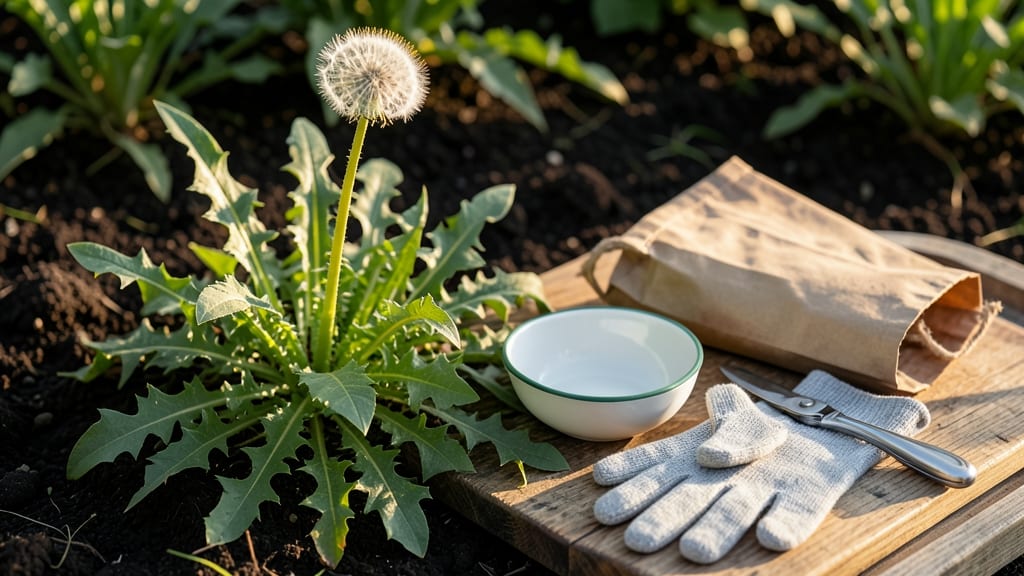
Harvesting dandelion seeds when the seed heads turn brown and crack open unlocks a treasure trove of uses—from pollinator-friendly seed bombs to nutrient-rich compost.
Those fluffy white puffballs drifting across your yard aren’t just pesky weeds—they’re nature’s free fertilizer and a goldmine for pollinators. When dandelion 🌼 seed heads turn brown and crack open, it’s time to harvest them for gardening, crafts, or even salads—if you know the right timing and techniques.
Timing is everything: too early, and the seeds won’t be mature; too late, and they’ll scatter into the wind.
I’ll walk you through the perfect moment to collect them, the tools you’ll need, and how to store them for later use—whether you’re saving them for spring planting or turning them into eco-friendly crafts.
Beyond the garden, these seeds have surprising uses, from supporting local ecosystems to adding a unique texture to homemade bread. Let’s dive into the simple steps to maximize your harvest and make the most of these often-overlooked wildflowers.

When to harvest dandelion seeds: identifying the perfect stage
Timing is everything when harvesting dandelion seeds. The ideal moment arrives when the seed heads turn completely brown and develop that signature puffy, fluffy texture. This usually occurs in late spring to early summer, depending on your climate.
If you harvest too early, the seeds won't be mature enough, while waiting too long means they'll scatter into the wind before you can collect them.
Look for seed heads that are dry and brittle—they should easily release seeds when you gently touch them. The leaves will also begin yellowing and dying back as the plant shifts its energy to seed production.
This is your cue that the seeds are ready for harvest. Pay attention to the weather forecast too; harvesting on a calm, dry day prevents seeds from dispersing prematurely.
Morning is the best time of day to harvest. The dew has evaporated, but the heat of the day hasn't yet dried out the seed heads. This gives you the perfect balance for easy collection.
Avoid harvesting after rain, as damp seeds are harder to collect and may spoil faster. If you're unsure whether a seed head is ready, perform the gentle touch test—if seeds puff up and float away, it's time to harvest.
| Stage | Visual Cues | Harvest Readiness | Best Time |
|---|---|---|---|
| Early Bloom | Yellow flowers, green seed heads | Not ready | N/A |
| Seed Head Maturation | Green turning brown, fluffy but not fully dry | Almost ready | Wait 2-3 days |
| Perfect Harvest Stage | Fully brown, dry, seeds disperse with touch | Ready to harvest | Morning, calm day |
| Overripe Stage | Seed heads cracked open, seeds scattered | Too late | N/A |
Distinguishing between edible and non-edible stages is crucial if you plan to use the seeds in food. The young, unopened buds are edible and can be used in salads, but once the seed heads turn brown and fluffy, they're no longer suitable for eating.
However, the seeds themselves (when fully mature) can be roasted and used as a coffee substitute or added to baked goods. Always ensure the dandelions haven't been treated with pesticides or herbicides if you're harvesting from lawns or urban areas.
Another key factor is the plant's life cycle. Dandelions are biennials, meaning they produce leaves in their first year and flower and seed in their second. If you're harvesting from a wild dandelion population, focus on the oldest plants, which will have the most mature seed heads.
Younger plants will still be in their leafy growth phase and won't produce seeds until the following year.
Don't overlook the importance of seed purity if you're saving seeds for gardening. Cross-pollination can occur, especially if you have multiple dandelion varieties in your area. To ensure genetic consistency, harvest seeds from isolated plants or those with distinct characteristics.
If you're collecting seeds for crafts or pollinator support, purity isn't as critical, but it's still best to avoid seeds from treated lawns to support healthy ecosystems.
Once you've identified the perfect harvest stage, act quickly. Dandelion seeds are lightweight and can travel hundreds of feet on the wind. On a windless day, you can harvest more aggressively, but even a gentle breeze can make collection challenging.
Consider harvesting in shaded areas first, as wind tends to be calmer there. Use a paper bag or breathable fabric sack to collect seeds to prevent moisture buildup, which can reduce seed viability.
If you're unsure whether a seed head is ready, split your harvest into two batches. Test one batch immediately and save the other for a few days. This way, you can compare the seed maturity and ensure you're harvesting at the optimal stage.
Over time, you'll develop an eye for spotting the perfectly timed dandelion seed head, making future harvests even easier and more efficient.
Remember, every dandelion seed you harvest is a gift to pollinators and your garden. By collecting seeds responsibly, you're supporting local ecosystems while reaping the benefits of this versatile, hardy plant.
Whether you're saving seeds for next year's garden, crafting seed bombs, or simply enjoying their beauty, knowing the right time to harvest ensures you get the most out of these resilient wildflowers.
Step-by-step harvesting methods for maximum yield
Now that you've identified the perfect harvest stage, let's dive into three effective methods to collect dandelion seeds without losing a single puffball to the wind. Each technique has its advantages, depending on your goals—whether you're saving seeds for gardening, crafts, or pollinator support.
I'll walk you through the tools you'll need, step-by-step processes, and safety tips to ensure a successful harvest every time.
The first method is hand-picking, which is ideal for small-scale harvesting or when you want to avoid damaging the plants. This approach works best in calm conditions and requires minimal tools.
The second technique involves using scissors or pruners to cut seed heads, perfect for larger harvests or when you want to collect seeds from taller stems. Finally, the bag collection method is excellent for preserving seed purity and preventing premature dispersal.
-
Hand-Picking Method
- Wait for a calm, dry morning to minimize seed loss.
- Hold a paper bag or breathable fabric sack under the seed head.
- Gently squeeze the base of the seed head to release seeds into the bag.
- Repeat for each mature seed head, checking for fully brown and dry pods.
-
Scissor-Cutting Method
- Use clean, sharp pruners or scissors to cut the entire seed head from the stem.
- Place cut seed heads in a large cardboard box or bucket lined with paper.
- Allow seed heads to fully dry indoors for 1-2 days before shaking out seeds.
- Store seeds in paper envelopes or breathable bags to maintain viability.
-
Bag Collection Method
- Select a large, breathable bag (like a pillowcase or mesh bag).
- Gently shake the seed head inside the bag to release seeds.
- Secure the bag's opening to prevent seeds from escaping during transport.
- Store collected seeds in a cool, dry place until ready for use.
When handling mature seed heads, always wear gloves if you're concerned about potential allergens or plant sap. Dandelion sap can irritate sensitive skin, so it's best to protect your hands during the harvesting process.
Additionally, avoid harvesting seeds from areas treated with herbicides or pesticides, as these chemicals can reduce seed viability and harm pollinators. If you're collecting seeds for gardening, focus on plants that are isolated from treated lawns to ensure pure, healthy seeds.
To maximize your yield, harvest seeds during the earliest part of the day when the air is still. This reduces the risk of seeds dispersing before you can collect them. If you're working with a large patch of dandelions, consider harvesting in sections to avoid overloading yourself.
Use a wide-brimmed hat or umbrella on windy days to create a barrier against gusts that could scatter your seeds. Always work systematically, moving from one end of your harvest area to the other to ensure you don't miss any mature seed heads.
After collecting your seeds, proper storage is key to maintaining their viability. Store seeds in a cool, dry place with temperatures between 40-50°F (4-10°C) and relative humidity below 30%.
Paper envelopes or breathable fabric bags are ideal for short-term storage, while airtight containers with silica gel packets work well for long-term preservation. Label each container with the harvest date and plant variety to keep track of seed freshness.
Dandelion seeds can remain viable for 3-5 years under optimal conditions, making them a great addition to your seed library.
One common challenge is dealing with premature seed dispersal. If you notice seeds floating away during collection, try harvesting in shaded areas first, where wind speeds are typically lower. You can also use a large sheet of cardboard or plastic as a windbreak while working.
For larger harvests, consider using a seed thresher or leaf blower to gently separate seeds from their chaff. This method is especially useful for collecting seeds from dense patches of dandelions. Always handle seeds with care to avoid damaging their delicate structures, which are essential for successful germination.
By mastering these harvesting techniques, you'll not only maximize your yield but also support local ecosystems by preventing seeds from scattering uncontrollably.
Whether you're saving seeds for next year's garden, crafting pollinator-friendly seed bombs, or simply enjoying the process, these methods ensure you get the most out of your dandelion harvest. Happy collecting! 🌼