
How To
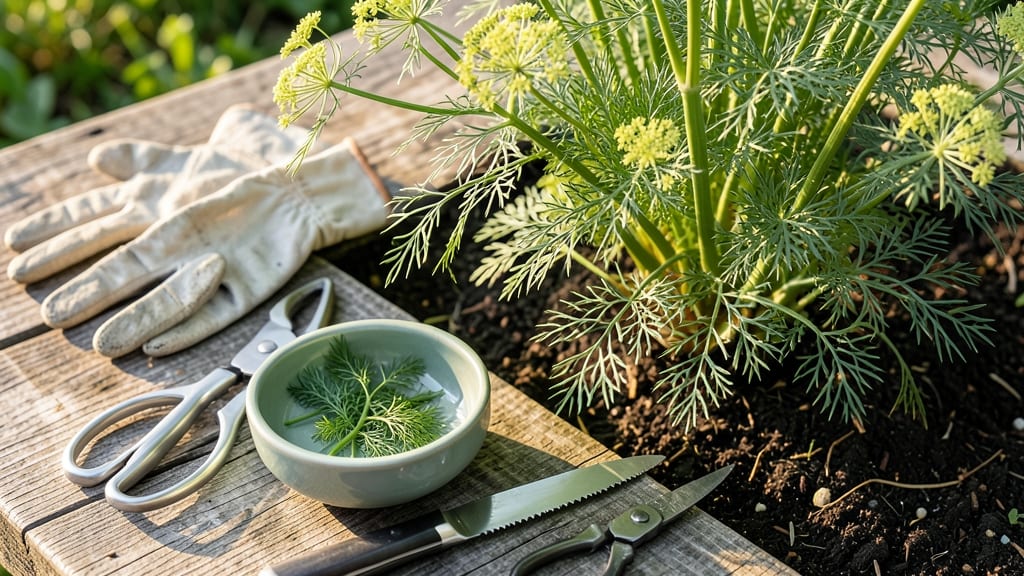
To harvest dill weed at its peak flavor, you’ll want to snip just before it flowers—when those feathery fronds are lush and aromatic 🌿.
Fresh dill isn’t just a garnish—it’s the secret ingredient that elevates soups, salads, and pickles from ordinary to extraordinary. But timing matters: harvest too early, and the flavor is mild; wait too long, and you risk bitterness or losing the plant to seed production.
Most gardeners make one of two mistakes: either they cut the stems too close to the base, stunting regrowth, or they wait until the plant bolts, sacrificing flavor for quantity. The right technique keeps your dill thriving while ensuring every harvest delivers bold, fresh flavor.
In this guide, I’ll walk you through the exact timing, tools, and steps to maximize your yield—whether you’re using dill fresh, drying it for later, or preserving it in oils and vinegars. Ready to turn your garden into a flavor factory?

When to harvest dill for maximum flavor and yield
Timing is everything when it comes to harvesting dill for peak flavor. Unlike many herbs, dill’s taste actually changes dramatically depending on when you harvest it. The leaves pack their most aromatic punch when harvested early in the growing season, while the seeds develop their signature flavor later.
Understanding these flavor development stages helps you decide whether to focus on leaves or seeds.
For leaf harvests, you’ll want to pick dill when it reaches about 6-12 inches tall with fully developed leaves. This typically happens around 40-60 days after planting, depending on your climate.
Waiting too long can turn those tender leaves into bitter, woody stems, ruining their delicate flavor. Meanwhile, dill seeds—used for pickling and baking—require a different approach entirely.
The science behind dill’s flavor lies in its volatile oils, which peak at different growth stages. Young leaves contain the highest concentration of carvone and limonene, the compounds responsible for that classic dill aroma.
Once the plant flowers, these oils shift toward seed-specific compounds, giving seeds their earthy, slightly spicy taste.
If you’re growing dill for fresh culinary use, prioritize early harvests every 2-3 weeks to encourage continuous leaf production. This method, called cut-and-come-again, keeps your plants productive for weeks.
However, if you’re after dill seeds for pickling spices or baking, let the plant fully mature—just don’t wait too long, or the seeds may scatter before you harvest them.
One common mistake gardeners make is harvesting dill too late for leaves. Once the plant bolts—sending up a tall flower stalk—its leaves become fibrous and bitter. To avoid this, I always monitor my dill plants closely and harvest leaves when they’re at their peak tenderness.
A quick sniff test can confirm readiness: crush a leaf—if it smells bright and fresh, it’s harvest time.
For seed harvests, patience is key. Wait until the flower clusters turn brown and the seeds inside feel dry and papery. At this stage, the seeds are ready for drying and storing.
If you miss this window, the seeds may fall to the ground and self-sow, potentially creating a wild dill patch in your garden next year.
Pro tip: If you’re growing dill in containers, harvest leaves by snipping individual stems rather than cutting the whole plant. This minimizes stress and encourages new growth. For in-ground dill, use clean pruners to avoid damaging the plant. Always leave a few lower leaves intact to support regrowth.
Understanding these harvest windows ensures you get the most flavor and yield from your dill plants. Whether you’re aiming for fresh garnishes or homegrown seeds, timing your harvests correctly makes all the difference in the kitchen—and in the garden.
Step-by-step harvesting techniques for fresh and dried dill
Harvesting dill at the right time and with the right tools makes all the difference between mild, wilted sprigs and bold, fragrant bundles that keep giving. The key is to cut strategically—never more than one-third of the plant at once—to encourage regrowth while preserving that signature anise-like aroma.
For fresh use, aim to harvest dill when it’s 6-12 inches tall and the leaves are lush but before yellow flower buds appear. If you wait too long, the plant shifts energy to seed production, leaving you with bitter stems and fewer leaves.
I’ve found that morning harvests yield the freshest flavor, as overnight dew keeps the leaves crisp.
-
Gather your tools:
- Sharp pruning shears or clean scissors
- Rubber gloves (optional, for seed harvests)
- Paper towels or a colander
- Plastic bags or airtight containers
-
Choose your harvest method:
- Cut-and-come-again: Snip outer stems 2-3 inches above the base to encourage bushier growth
- Full harvest: Cut stems just above the soil line for drying or seed collection
-
Handle with care:
- Gently shake off excess soil but avoid crushing leaves
- Rinse stems briefly under cool water if dirty (pat dry immediately)
- Bundle stems loosely with rubber bands for drying (hang upside down)
-
Store for freshness:
- Fresh use: Wrap stems in damp paper towels and refrigerate for up to 1 week
- Freezing: Chop leaves and store in ice cube trays with water or airtight bags
- Drying: Hang bundles in a dark, well-ventilated spot for 1-2 weeks
When drying dill, I always opt for natural air-drying in a dark closet or pantry. The process takes 10-14 days, but the result is dried sprigs that retain 80% of their original flavor.
For seed harvests, wait until the seed heads turn brown and papery, then cut and shake them into a bag. Store seeds in a cool, dry place for up to 2 years.
One pro tip I swear by: Never harvest more than half the plant at once, even if it looks abundant. Dill regrows best when you leave the lower 3-4 inches of stem intact.
I’ve seen gardeners accidentally kill their plants by cutting too close to the base—don’t make that mistake!
For maximum yield, harvest dill every 2-3 weeks during its peak growing season (June through August in most climates). This keeps the plant productive and prevents it from bolting prematurely. With the right technique, a single dill plant can provide enough leaves for dozens of meals throughout the summer.