
How To
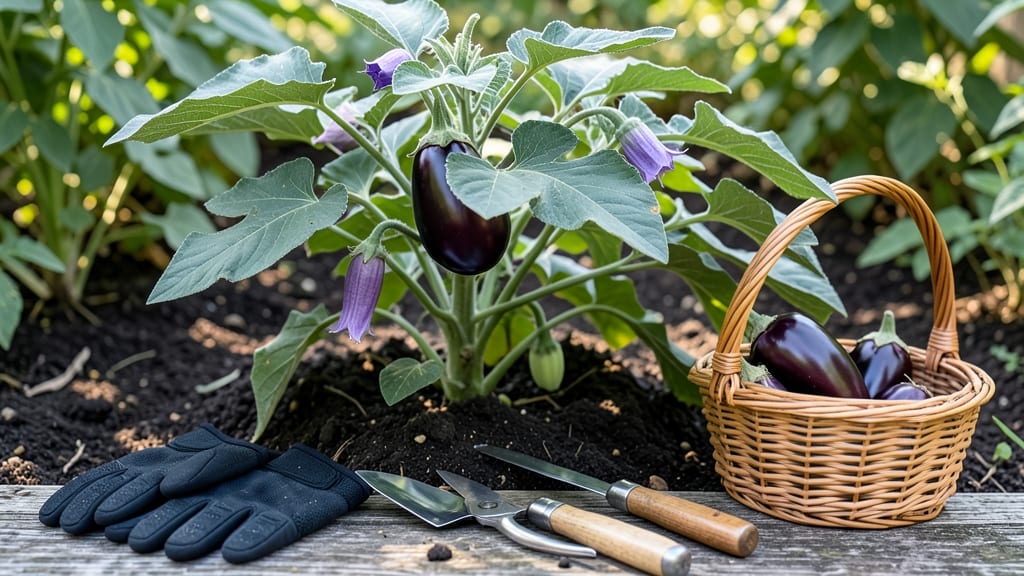
To harvest eggplant at its peak flavor and texture, focus on firmness, size, and skin color—these three cues reveal when it’s ready to pick.
Picture this: you’ve been watching your 🍆 plants thrive all summer, and now the fruit is growing fast. But how do you know exactly when to harvest?
Skip the guesswork with simple tactile tests that tell you whether the eggplant is perfect for the kitchen—or still needs time on the vine.
Overripe eggplants turn spongy and bitter, while underripe ones stay hard and pale. The difference between a great harvest and a wasted one often comes down to timing.
Below, I’ll walk you through the three key signs of ripeness, the best tools to use, and how to handle your eggplant to keep it fresh for weeks.
Whether you’re grilling, roasting, or stuffing, harvesting at the right moment ensures your dish shines. Let’s get started—your next meal depends on it.
3 Tactile tests to determine eggplant ripeness before harvesting
Harvesting eggplant at the perfect moment transforms a good crop into a flavorful feast. Unlike many vegetables, eggplants don’t ripen further after picking, so timing is everything.
The key lies in your hands—three simple tactile tests reveal when your eggplants are ready to harvest without needing fancy tools or guesswork.
First, understand that ripe eggplants should be firm but not rock-hard, heavy for their size, and have skin that yields slightly when pressed. These tactile cues tell you exactly when to harvest for the best culinary quality.
Mastering these tests ensures you avoid bitter, seedy, or overly soft fruit that ruins dishes like grilled eggplant parmesan or stuffed eggplant.
Let’s start with the first test—skin firmness. This is your first clue about ripeness. Gently press the eggplant’s skin with your thumb. A ripe eggplant should feel slightly soft but not mushy.
If it feels hard, it’s not ready yet. If it’s too soft, it’s overripe. This test works best on the side of the fruit, away from the stem.
Next, pick up the eggplant and assess its weight relative to size. A ripe eggplant feels surprisingly heavy for its size—almost like it’s filled with water.
This density indicates full maturity and peak flavor. Compare it to an unripe eggplant, which feels lighter and hollower. This tactile difference is your second key indicator.
The third test focuses on the stem attachment. Gently twist the eggplant at its stem. A ripe eggplant’s stem should snap easily without tearing the fruit.
If the stem resists or pulls away cleanly, it’s not ready. This test ensures you harvest cleanly, minimizing damage to the plant and fruit.
How to Test Eggplant Ripeness
-
1. Skin Firmness Test
Press gently with your thumb—ripe skin yields slightly but doesn’t dent. Avoid hard or mushy spots. -
2. Weight Test
Lift the eggplant—ripe fruit feels heavy for its size. Compare to unripe (lighter) and overripe (lighter). -
3. Stem Twist Test
Twist gently at the stem—ripe eggplants detach cleanly with minimal resistance.
Pro Tip: Perform all three tests together for the most accurate ripeness assessment.
For small varieties like 'Fairy Tale' or 'Patio Baby,' these tests still apply, but their ideal size is smaller (4-6 inches long). Larger varieties like 'Black Beauty' should reach 8-10 inches. Always harvest in the morning when temperatures are cooler—this reduces bruising and preserves freshness.
One common mistake is waiting too long for the darkest color. While deep purple or black skin is ideal, don’t rely solely on color. Some varieties stay lighter when ripe (like 'Rosa Bianca'). The tactile tests are universal and work for all eggplant types, regardless of skin hue.
After harvesting, store eggplants at room temperature for 1-2 days to improve flavor, or refrigerate for up to a week. This post-harvest care ensures your eggplants stay fresh and ready for your favorite recipes. Now that you’ve mastered these tactile tests, you’ll never second-guess when to harvest again!
Ready to put these tests to work? Grab an eggplant from your garden and give it the three-touch check. Your taste buds—and your stuffed eggplant casserole—will thank you.
When and how to harvest eggplant for different culinary uses
Not all eggplants are created equal when it comes to culinary use—harvesting at the right stage for stuffing, grilling, or roasting makes all the difference. Smaller, firmer varieties like 'Fairy Tale' shine in stuffed dishes, while larger 'Black Beauty' types hold up better to grilling.
Timing isn't just about size; it's also about skin color and flesh texture—each factor aligns with a specific cooking method for peak results.
For stuffed eggplants, aim for 6-8 inches long with deep purple skin and a slightly glossy finish. These should feel firm but yield when gently pressed—like a ripe avocado.
If you're prepping for grilling or roasting, wait until they reach 8-10 inches with matte, fully colored skin. Overripe eggplants (soft, dull skin) work for sauces but lose their structural integrity for other uses.
| Culinary Use | Ideal Size | Skin Condition | Flesh Firmness | Harvest Tip |
|---|---|---|---|---|
| Stuffing | 6-8 inches | Glossy, deep purple | Firm but yields | Harvest before seeds darken |
| Grilling | 8-10 inches | Matte, fully colored | Firm, no bruising | Use sharp knife near stem |
| Roasting | 9-12 inches | Dull, deep color | Slightly soft core | Cut stem; avoid twisting |
| Sauces/Purees | Any size | Soft, wrinkled skin | Very tender | Use overripe fruit |
Once you harvest, handle eggplants with care to preserve quality. Always use a sharp knife or pruners to cut 1 inch above the stem—never twist or pull, which bruises the plant and invites pests.
After harvesting, leave eggplants in a shady, well-ventilated spot for 24 hours to develop full flavor. Store them in the fridge for up to 5 days, or freeze sliced varieties for later use in sauces.
Here’s a pro tip: Encourage more production by pinching off flowers after harvest. This redirects the plant’s energy to grow new fruit instead of maturing existing ones.
Also, water deeply after harvesting to replenish moisture lost during the process—your eggplant plants will thank you with a second flush of fruit in 2-3 weeks.
For longer storage, try curing eggplants by placing them in a paper bag with an apple for 2-3 days at room temperature. The ethylene gas from the apple speeds up ripening, making them ideal for late-season cooking.
Just avoid storing them near onions or potatoes, which release gases that speed up spoilage.
Remember, eggplants continue to ripen after harvest, so don’t wait too long—harvest when 80% of the fruit meets your intended use’s criteria. The sooner you pick, the longer your plant will keep producing throughout the season. Happy harvesting! 🌱