
How To
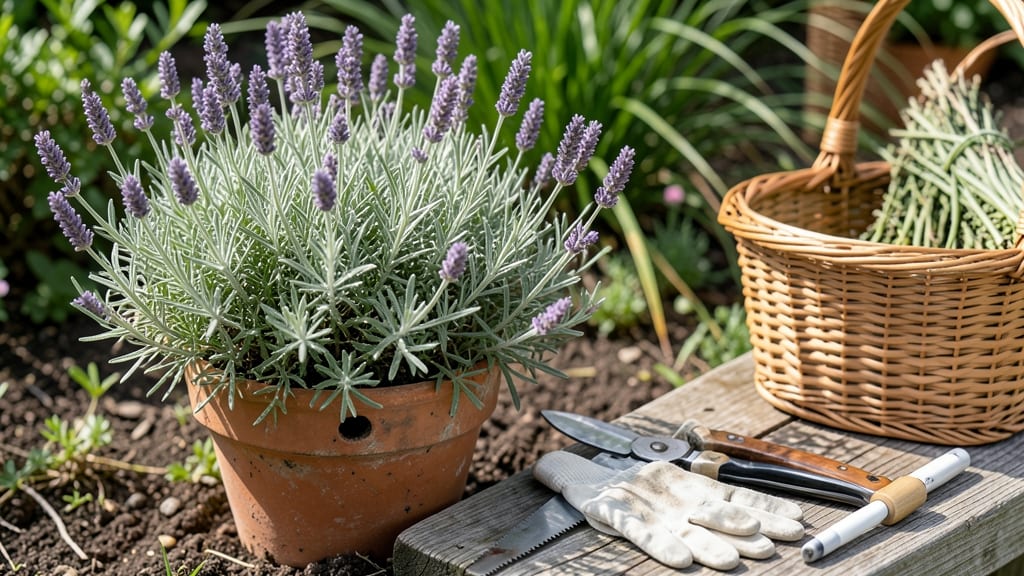
To harvest French lavender 🌸 at its fragrant peak, time your cuts just as buds tighten but before they fully open—this is when the oils are richest and the scent strongest.
Picture this: you’ve waited all summer for that signature lavender aroma, only to snip stems too early or too late and end up with weak, floppy blooms that lose their magic within days.
The right moment makes all the difference between a harvest that smells like a Provence meadow and one that fades faster than a wilting rose.
French lavender thrives in USDA Zones 5-9, but the best harvest window shifts with your climate—mid-to-late summer is ideal, with early morning cuts preserving the most fragrance.
Whether you’re drying bundles for sachets or using sprigs in cooking, proper technique keeps your plants healthy and your harvests potent for years.
In this guide, I’ll walk you through the exact steps to harvest without damaging your lavender, from choosing the right tools to storing your bounty so it stays fragrant long after the cutting. No more guesswork—just peak-scent, plant-friendly results every time.

When to harvest French lavender for maximum scent & plant health
Harvesting your French lavender at the wrong time can turn its signature fragrance into a weak, mushy disappointment—and worse, stress your plant. The key to preserving that intense, sweet aroma lies in understanding the perfect harvest window, which varies by climate zone and time of day.
For me, timing has made the difference between fragrant bundles and sad, limp stems.
Most gardeners harvest French lavender in mid-to-late summer (July-August in most USDA zones), but the exact moment depends on your plant’s bud maturity. Look for purple buds that are compact but haven’t fully bloomed—this is when the essential oils peak.
If you wait too long, the scent fades, and the stems become woody and less useful for drying.
Timing isn’t just about the month—it’s also about the time of day. I always harvest in the early morning (between 6-9 AM) when the dew has evaporated but the air is still cool.
This preserves the oil content and prevents wilting. Avoid harvesting in the late afternoon when heat causes the stems to dry out too quickly, reducing their fragrance potential.
Your climate zone plays a huge role too. In USDA Zone 5, I harvest in late July when buds tighten, while in Zone 9, I might harvest as early as June due to warmer temperatures.
Always check for woody stems and a strong lavender scent when brushing the leaves—these are your best indicators.
Harvesting at the wrong time weakens your plant by removing too many energy-rich buds too early or late in the season. Over-harvesting can lead to leggy growth or even dieback if the plant doesn’t have enough time to recover before winter.
For me, the rule is: never harvest more than 1/3 of the plant in a single session.
| Harvest Stage | Key Features | Best Time to Harvest | Climate Zones |
|---|---|---|---|
| Early Bud Stage | Purple buds, compact, no blooms | Early morning (6-9 AM) | Zones 5-7: July; Zones 8-9: June |
| Peak Bloom | Some blooms open, strong scent | Avoid—wait until buds tighten | All zones |
| Late Season | Stems woody, scent weak | Stop harvesting by September | Zones 5-9 |
| Post-Frost | Dead stems, no new growth | Prune only—no harvesting | All zones |
If you’re unsure whether your lavender is ready, perform the "scent test": crush a few leaves between your fingers. A rich, sweet aroma means it’s harvest-ready.
A weak or grassy smell means it’s not time yet. I’ve learned the hard way—harvesting too early gives you low-oil buds that dry poorly.
Another pro tip: harvest French lavender in dry weather to prevent fungal issues. If rain is forecast, wait a day or two to let the stems dry out slightly.
This also helps the essential oils concentrate, making your dried lavender even more fragrant. I always check the 5-day forecast before scheduling a harvest.
Never harvest French lavender after it’s fully bloomed—this is when the scent and oil content drop dramatically. The best time is when 20-30% of the buds are about to open.
This ensures you capture the peak fragrance without sacrificing the plant’s health. For me, this means harvesting in late July in my Zone 6 garden.
After harvesting, give your plant a light pruning to encourage bushier growth. Trim back any overly long stems to maintain its compact shape. This also prevents woody growth and keeps the plant healthy for next year’s harvest.
I always prune right after harvesting to signal to the plant that it’s time to focus on new growth.
Remember, the goal isn’t just to harvest—it’s to preserve that signature lavender scent while keeping your plant thriving. By mastering the right timing, you’ll enjoy fragrant bundles year after year without weakening your beautiful French lavender bushes. 🌸
Step-by-step pruning & harvesting techniques for French lavender
Harvesting French lavender at the right time and with the correct technique ensures you preserve its signature fragrance while keeping your plant healthy. The key is cutting stems when buds are just about to open—this captures the peak oil content and scent.
Use sharp, clean pruners or shears to avoid crushing stems, which can damage the plant and reduce fragrance quality.
Always harvest on a dry, sunny morning after the dew has evaporated. This allows the stems to dry quickly and retain their aroma. Avoid harvesting after rain or in the evening, as moisture can lead to mold and weaken the plant.
Focus on cutting stems that are at least 12 inches long—shorter stems won’t dry properly and may not hold their fragrance.
How to Harvest French Lavender
- ✂️ Step 1: Gather Tools
Use clean, sharp pruners or shears. Avoid dull tools that crush stems and damage the plant. - 🌿 Step 2: Identify Ready Stems
Look for purple buds that are compact but not yet open. Stems should feel woody but flexible. - ⏰ Step 3: Cut at the Right Angle
Snip stems 4-6 inches above the base at a 45-degree angle to encourage new growth. - 🌞 Step 4: Harvest Early Morning
Pick stems when dew has dried (after sunrise) for the strongest fragrance and fastest drying. - 🌸 Step 5: Bundle for Drying
Tie stems in small bundles with twine or rubber bands, leaving 1-2 inches of stem exposed at the bottom. - 🪴 Step 6: Hang Upside Down
Suspend bundles in a well-ventilated, dry space (like a garage or shed) for 2-3 weeks until crispy.
After harvesting, avoid over-pruning—never remove more than one-third of the plant at a time. This prevents stress and ensures your lavender continues to thrive. If you’re drying lavender for sachets or potpourri, place the bundles in a dark, dry place away from direct sunlight to preserve color and scent.
To extend the shelf life of your dried lavender, store it in an airtight container with a silica gel packet to absorb moisture. Keep it in a cool, dark place like a pantry or closet.
Properly dried lavender can retain its fragrance for up to a year, making it perfect for homemade crafts, aromatherapy, or culinary uses.
For repeat harvesting, prune your lavender plant again in early fall to encourage fresh growth for the next season. This light pruning also helps shape the plant and prevents it from becoming woody or leggy.
With these techniques, your French lavender will stay fragrant, healthy, and productive for years.