
How To
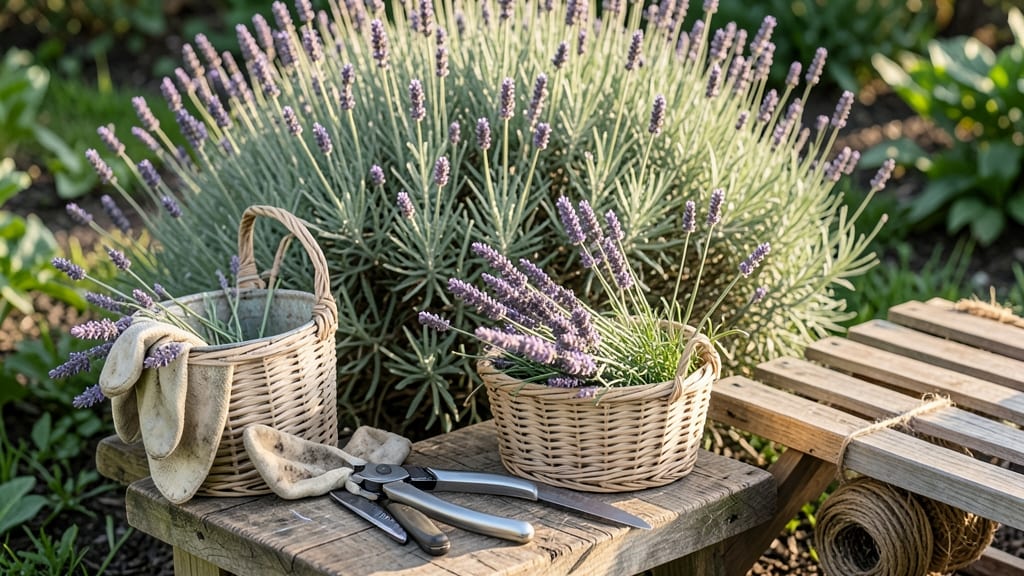
To harvest lavender for sachets, cut the stems when half the buds have opened but before full bloom—this is the sweet spot for fragrance and color.
Picture this: you’ve spent months nurturing your 🌿 lavender, and now it’s time to turn those fragrant stems into sachets that’ll last for years. But harvest too early, and the scent fades fast. Too late, and the flowers lose their vibrancy. Timing is everything.
Most gardeners in Zone 6a should aim for mid-to-late summer, when the mornings are still cool and the buds are plump. The key is to snip just above a leaf node with clean shears—this encourages bushier growth next season.
In this guide, I’ll walk you through the exact steps: when to cut for maximum fragrance, how to dry your lavender properly (including the bundle method for even drying), and storage tips to keep those sachets smelling fresh for months.

Best time to harvest lavender for sachets: peak fragrance & flower buds
Harvesting lavender at the right stage ensures your sachets will burst with intense fragrance and vibrant color. The key is cutting when buds form but before full bloom—this captures the peak oil content responsible for that signature lavender scent.
Timing also affects how well the stems hold up during drying, so let's dive into the ideal window for your harvest.
For most lavender varieties like English lavender (Lavandula angustifolia) or French lavender (Lavandula stoechas), the best harvest time falls in mid-to-late summer, typically between July and August in USDA Zone 6a. This aligns with when your plants have 6+ hours of sunlight daily and are at least 12 inches tall with woody stems—clear signs they're ready.
Weather plays a crucial role too. Harvest on a dry, sunny morning after any overnight dew has evaporated. This prevents moisture from weakening stems or promoting mold during drying. Avoid harvesting after rain or high humidity, as damp lavender loses fragrance quickly and may develop brown edges when dried.
Here's a quick visual guide to help you spot the perfect harvest stage:
| Stage | Visual Cues | Best For | Harvest Time |
|---|---|---|---|
| Bud Formation | Small green buds forming, stems firm and woody | Sachets, essential oils | July (Zone 6a) |
| Early Bloom | 20-30% open flowers, buds still closed | Dried bouquets, light fragrance | Late July |
| Full Bloom | Most flowers open, stems may soften | Fresh arrangements, low oil content | August |
| Seed Pods | Flowers brown and dry, seed pods forming | None (poor scent) | September+ |
If you miss the bud stage, don't panic! You can still harvest lavender at early bloom for sachets, but expect a 20-30% reduction in fragrance intensity.
The key is to avoid harvesting when flowers are fully open or when seed pods form—these stages yield brittle stems and weak scent. For organic lavender, always use clean, sharp pruning shears to avoid crushing stems or spreading disease.
Seasonal variations matter too. In cooler climates (Zone 5 or below), lavender may bloom later, so monitor your plants closely. Look for vibrant green leaves and firm stems as your primary indicators, not just the calendar.
Wild lavender often blooms 2-4 weeks earlier than garden varieties, so adjust your timing accordingly.
Pro tip: Harvest lavender in the morning hours when essential oils are at their peak concentration. Cut stems at a 45-degree angle just above a leaf node to encourage bushier growth next season.
Bundle stems with rubber bands and hang upside down in a well-ventilated, dry space within 2 hours of cutting to lock in that fresh scent.
For year-round fragrance, harvest lavender in three staggered batches during its peak season. This extends your supply and prevents over-harvesting, which can stress your plants. Store dried lavender in airtight containers away from direct sunlight to preserve that signature lavender aroma for up to 12 months.
Remember, the earlier you harvest in the bud stage, the stronger your sachets will smell. With the right timing and care, your lavender harvest will transform any closet or drawer into a fragrant sanctuary.
Step-by-step lavender harvesting techniques for long-lasting sachets
Harvesting lavender at the right moment ensures your sachets will fill your home with that calming, floral aroma for months. The key lies in preserving the stems and maintaining fragrance during the process.
Whether you're harvesting from your garden or wild lavender, these techniques will help you create sachets that last.
Start by gathering your harvesting tools: sharp pruning shears or clean scissors (never use dull tools—they crush stems and reduce fragrance). Avoid pulling stems by hand, as this can damage the plant and weaken future growth.
For wild lavender, use a serrated knife to minimize root disturbance and protect the plant's ecosystem.
-
Step 1: Choose the Right Time
Harvest lavender just as the buds open (about 30% bloom). Overharvesting can stress the plant, while waiting too long reduces fragrance. Aim for mid-morning after dew has dried to preserve oils.
-
Step 2: Cut Stems Properly
Use clean shears to cut stems at a 45-degree angle, about 3-4 inches below the buds. This encourages bushier growth. Bundle stems into 5-7 stem groups and secure with a rubber band or twine.
-
Step 3: Handle with Care
Avoid crushing stems—never shake or bend the bundles. Place them in a paper bag (not plastic) to allow airflow and prevent mold. Keep them in a cool, shaded area for up to 2 hours before drying.
-
Step 4: Dry Thoroughly
Hang bundles upside down in a dry, dark place with good airflow (e.g., a garage or shed). Drying takes 2-3 weeks. Test readiness by gently bending a stem—if it snaps cleanly, it’s dry.
-
Step 5: Store for Long-Term Use
Once dry, remove leaves and store stems in airtight containers (glass jars work best). Keep sachets in a cool, dark place to preserve fragrance for up to 1 year. Refresh scent by placing sachets in sunlight for a few hours.
If your lavender stems feel soft or mushy after cutting, they’re not ready for harvest. Wait another 1-2 weeks and check again. For wild lavender, harvest sparingly to protect the plant population—never take more than 20% of the stems from one area.
Pro tip: Label your dried lavender by variety (e.g., English, French, or Spanish lavender) since each has a unique scent profile. This helps you create sachets tailored to your preferred fragrance—whether you love herbal, floral, or citrusy notes. 🌿