
How To
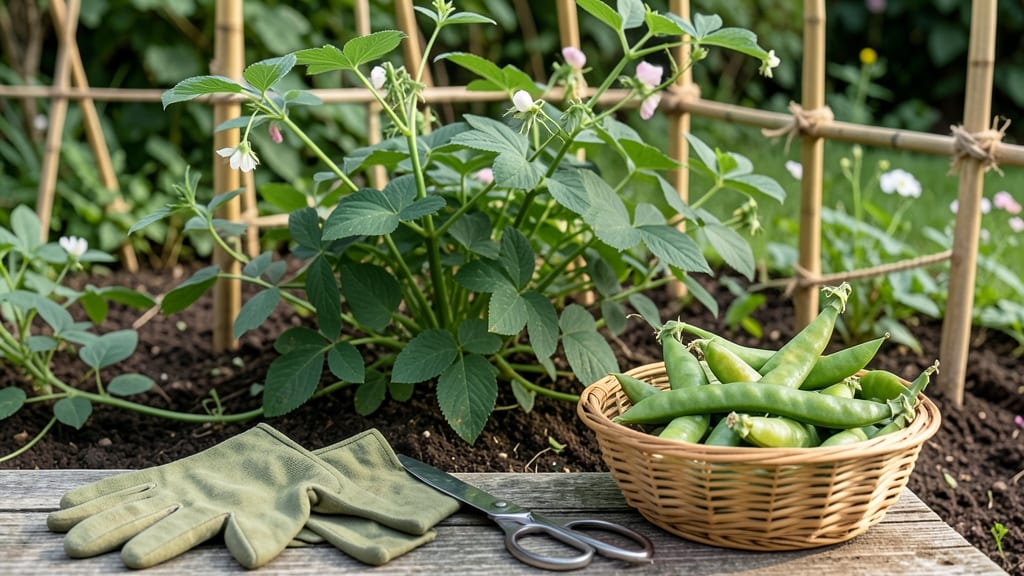
To harvest green peas at their sweetest, pick them when pods are 2 inches long and bright green 🌱—any later and they turn tough and stringy.
Skimming green peas too early or too late can mean the difference between sweet, tender pods and tough, stringy disappointments—here’s how to nail the perfect harvest every time.
You’ll learn the three visual cues that guarantee peak ripeness, plus the best way to pluck pods without damaging the plant. No more guessing whether those peas are ready—just a foolproof method for a steady supply of garden-fresh sweetness.
From timing your harvests to storing them properly, these tips will keep your peas at their best from the vine to your plate.


3 Visual cues to identify perfectly ripe green peas
Harvesting green peas at the right moment transforms your garden into a sweet, tender treasure trove. The key lies in recognizing three simple visual cues that signal peak ripeness. When pods meet these standards, you’re just days away from a harvest bursting with flavor.
I’ve learned the hard way that skipping these signs leads to either underdeveloped peas or woody, overripe pods—neither of which tastes like victory.
First, let’s talk about the pod’s color. Bright, vibrant green is your golden ticket. Dull or yellowing pods? Those are red flags. The deeper the green, the fresher the peas inside.
I always compare my pods to a fresh lime—if it doesn’t match that vivid hue, it’s not ready yet. This visual cue is your first line of defense against tough, stringy disappointments.
Next comes pod size. Aim for pods that are about 2 inches long—roughly the length of your thumb from knuckle to tip. Anything smaller means the peas inside are still developing, while longer pods often contain overgrown peas that turn mealy.
Pro tip: Hold a pod next to a ruler. If it’s shorter than 2 inches, give it a few more days.
Finally, texture is where things get tactile. A perfectly ripe pea pod should feel firm yet slightly yielding when you gently squeeze it. Think of it like a ripe avocado—just enough give to know it’s ready, but not so soft it’s mushy.
If the pod snaps easily when bent, that’s another green light. This tactile check ensures you’re harvesting peas at their prime tenderness.
🌱 How to Spot Perfectly Ripe Green Peas
- 📏 Pod Length: Measure pods at 2 inches—use your thumb as a guide! Shorter pods mean underripe peas.
- 🍃 Color: Look for bright green pods, like fresh lime. Dull or yellowing pods are past their prime.
- 🤏 Texture: Squeeze gently—pods should be firm but slightly yielding. Overripe pods feel mushy or hollow.
- 🌱 Pea Visibility: Peas inside should be plump and visible through the pod’s skin. If they’re barely there, wait a few days.
- ✂️ Snap Test: Bend the pod—it should snap easily. Tough pods need more time to mature.
One of my biggest mistakes was harvesting peas based solely on calendar days after planting. While most varieties take 50-70 days to mature, environmental factors like temperature and sunlight can shift that window.
That’s why I now rely on these visual cues instead. For example, a cool spring might delay ripening, so I check the pods daily during peak growing months.
Don’t overlook the peas inside the pod. When you hold a pod up to the light, you should see plump, rounded peas filling about 70% of the space. If they’re tiny or shrunken, the pod isn’t ready.
I like to pick 2-3 pods from different plants to test—this gives me a better average of what’s truly ripe across my garden. Consistency is key!
Timing your harvest also matters. I’ve found that morning harvests yield the freshest peas because the pods have had a full night to absorb moisture. Plus, cooler temperatures preserve their crispness.
Pro tip: Use sharp scissors or your fingers to twist pods off the vine—never pull or tug, which can damage the plant. This gentle approach keeps your pea plants producing for weeks.
Seasoned gardeners often say, “Harvest peas when the pods are plump and bright.” But what does that really mean? It means no wrinkles, no dullness, and no hollow sounds when you tap them. Tap a ripe pod with your fingernail—it should make a solid, crisp sound.
A hollow or dull thud? That’s a sign the peas inside have started to dry out, and the pod is past its prime.
Finally, remember that continuous harvesting encourages more production. Pea plants are prolific, but they’ll stop flowering if pods aren’t picked regularly. I make it a habit to check my plants every 2-3 days during peak season.
This not only maximizes yield but also ensures every pea you harvest is at its absolute best.
With these three visual cues—color, size, and texture—you’ll never miss the perfect moment to harvest again. Trust your eyes and fingers, and your garden will reward you with peas so sweet and tender, they’ll make you the star of every potluck. Happy harvesting! 🌱
Best practices for harvesting green peas without damaging plants
Harvesting green peas isn’t just about picking ripe pods—it’s about preserving your plant’s health for a continuous harvest. I’ve learned that aggressive harvesting can stress pea plants, reducing future yields. The key is using gentle techniques that protect both the pods and the vine.
Start by harvesting in the early morning when pods are crispest and temperatures are cooler. This not only ensures peak flavor but also prevents damage from heat stress during the day.
Use your fingers or sharp scissors to harvest pods—never pull or twist the entire vine. I always grip the pod near the stem and give a quick twist or snip just above the first pod. This method minimizes damage to the plant’s delicate structure.
For trellised varieties, work from the bottom upward to avoid trampling lower pods or breaking stems. Remember, pea plants are delicate perennials (though often grown as annuals), so rough handling can stunt future growth.
🌱 Pro Tip: Gentle Harvesting Techniques
- ✂️ Use scissors for clean cuts—avoid tearing stems.
- 🤲 Twist pods gently near the stem to prevent vine damage.
- 🌿 Harvest bottom pods first to avoid crushing lower growth.
- ⏰ Pick in morning for crispest, most flavorful peas.
- 🌱 Leave 1-2 pods per vine to encourage continuous flowering.
Frequency matters just as much as technique. I harvest my pea plants every 2-3 days during peak production to encourage more flowering. When you skip harvests, plants redirect energy to seed production instead of new pods.
This is especially critical for sugar snap and snow pea varieties, which produce fewer pods if overloaded. For shelling peas, you have slightly more leeway, but consistent harvesting still maximizes yield.
After harvesting, handle pods with care to maintain quality. Store them in the refrigerator for up to 5 days in a perforated plastic bag to retain moisture. For longer storage, freeze pods whole or shell them first and freeze in airtight containers.
I’ve found that blanching peas for 2 minutes before freezing preserves their vibrant green color and sweetness. Never wash peas until just before eating—excess moisture speeds up spoilage.
Post-harvest care keeps your plants thriving. After each harvest, I add a light mulch of compost around the base to replenish nutrients. Pea plants are nitrogen fixers, but they still benefit from occasional feeding with a balanced fertilizer like 5-10-10.
Water deeply after harvesting to support new growth, especially during dry spells. Avoid overhead watering, which can spread disease and weaken stems.
One common mistake is harvesting too aggressively during the plant’s final weeks. As pea plants age, their pods become tougher and stringier. I’ve learned to gradually reduce harvests as the season progresses, allowing some pods to mature fully for seed saving or next year’s garden.
This approach extends the plant’s productive life and ensures you get the most from your harvest season.
With these practices, your pea plants will reward you with weeks of continuous production. The secret lies in balancing harvest frequency with plant care—gentle hands, regular attention, and smart post-harvest storage. Soon, you’ll be enjoying fresh peas straight from the vine all season long. Happy harvesting! 🌱