
Vegetables
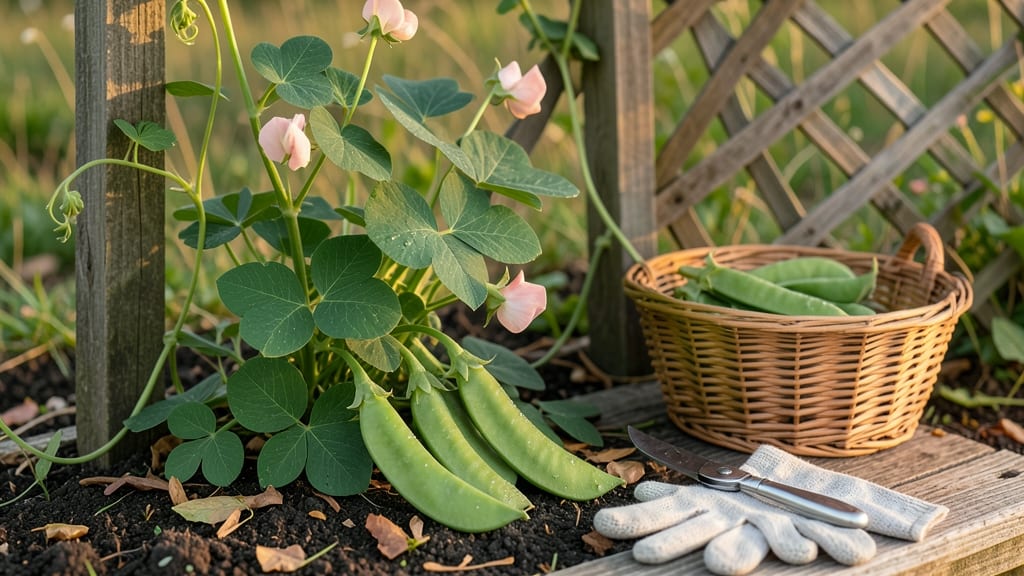
Harvest sweet peas when pods are 2-3 inches long and still tender, just as the first flower on the vine fades—this is the sweet spot for peak flavor.
Sweet peas aren’t just beautiful climbers—they’re a gourmet gardener’s secret weapon, delivering tender pods packed with floral sweetness when harvested at the perfect moment. Miss the window, and you’ll sacrifice flavor for toughness, turning a culinary delight into a chewy disappointment.
Here’s the trick: watch for pods that bulge slightly but still snap cleanly when pinched. If you wait too long, they’ll toughen up like overcooked green beans, and the seeds inside will start to form.
In USDA Zone 6a, this usually happens in June-July for spring plantings or October-November for fall harvests.
Below, I’ll walk you through the exact visual cues—pod size, flower drop patterns, and even how to adjust for your local climate—to ensure you never miss the best time to pick. No more guesswork, just perfect, sweet peas straight from your garden.

Sweet pea pod size guide: exact measurements for harvesting at peak tenderness
Harvesting sweet peas at the right moment transforms their delicate flavor from bland to extraordinary. The key lies in understanding pod size, firmness, and visual maturity cues—each variety has its own perfect window.
Sugar snaps, shelling peas, and snow peas all reach peak tenderness at slightly different stages, so knowing these specifics will keep your harvest consistently delicious.
For sugar snap peas, the ideal harvest size is 2–3 inches long—this is when their pods are crisp, sweet, and still tender enough to eat whole, shell or no shell.
Wait until they curve slightly and feel firm when gently squeezed, but avoid letting them develop visible seed bulges, which signal over-maturity and a tougher texture.
Shelling peas should be harvested when pods are 1.5–2.5 inches long and bright green. Their telltale sign is a slight bulge at the seams where peas form, but the pods should still be flat and flexible—not rounded or woody.
If you see dark spots or the pods feel stiff, you’ve missed the window.
| Variety | Pod Length | Firmness | Color | Seed Visibility | Harvest Tip |
|---|---|---|---|---|---|
| Sugar Snap Peas | 2–3 inches | Firm, slightly curved | Bright green | None visible | Harvest before pods straighten |
| Shelling Peas | 1.5–2.5 inches | Flat, flexible | Vibrant green | Slight bulge at seams | Pick when pods begin to plump |
| Snow Peas | 1.5–2 inches | Tender, flat | Light green | No visible seeds | Harvest when pods start to fill |
Snow peas, the thinnest of the bunch, should be 1.5–2 inches long with a flat, paper-thin pod. Their pods should be light green and slightly swollen but still flexible.
If you notice the pods starting to thicken or yellow, you’ve waited too long—they’ll lose their signature crispness and become fibrous.
To test readiness without over-maturing, use the "squeeze test". Gently press a pod between your thumb and forefinger—it should yield slightly but not feel mushy. If it feels hard or woody, it’s past its prime.
For extra precision, check the pod’s curvature: perfectly ripe pods have a gentle C-shape, while overripe ones straighten out.
Timing is everything with sweet peas, so harvest in the morning when pods are cool and crisp. Use clean, sharp scissors or pruners to snip stems just above a leaf node—this encourages more flowers and pods to develop.
Avoid pulling pods by hand, as this can damage the plant and reduce future yields.
If your sweet peas start to flower heavily but produce few pods, it’s often a sign of over-maturity or stress. In hot climates, pods may develop too quickly—check them every 2–3 days to avoid missing the window.
Conversely, in cooler regions, pods may take longer to mature, so patience is key.
Pro tip: Pinch off early flowers on young plants to encourage stronger vines and more abundant harvests later in the season. This redirects the plant’s energy toward pod production rather than excessive flowering, giving you a longer harvest window with bigger, sweeter pods.
Store freshly harvested sweet peas in the fridge for up to 5 days in a perforated plastic bag to maintain crispness. For longer storage, blanch and freeze them—this preserves their floral sweetness and texture for up to 9 months.
But remember, nothing beats the fresh-picked flavor of a perfectly timed harvest!
The flower drop method: how to predict sweet pea harvest windows before pods appear
Sweet peas reveal their harvest secrets through a simple but often overlooked pattern: the flower drop method. By tracking when blooms fall naturally, you can predict pod development 7–10 days in advance—giving you a precise harvest window.
This technique works especially well in cooler climates where sweet peas thrive, but even in heat, it helps adjust expectations for stress-induced early flowering.
Start by observing 3–5 healthy blooms daily. Note the exact moment each flower drops its petals—this signals the beginning of pod formation. In ideal conditions, pods will form within 5–7 days after petal drop, with harvest-ready pods appearing 7–10 days later.
This method is a game-changer for gardeners who want to avoid the guesswork of checking pods daily.
- 🌼 Day 0: Observe fully open flowers in morning (record date/time)
- 🌸 Day 3–5: Petals drop naturally—pod begins forming (check for tiny swellings)
- 🌱 Day 7–10: Pods reach harvest size (1.5–3 inches, firm but tender)
- ⚠️ Day 12+: Pods risk woody texture if left unharvested (check daily)
Climate plays a critical role in this method. In hot, dry regions, sweet peas may drop flowers earlier due to stress, shortening the harvest window to just 5–7 days.
To compensate, increase morning watering and provide afternoon shade. Conversely, in cool, damp climates, pods may take up to 12 days to reach peak tenderness—so extend your monitoring period.
Watch for stress signals that alter the flower drop pattern. Yellowing leaves or wilting stems can trigger premature flowering, causing pods to form faster but with bitter flavors. If you notice this, prioritize harvesting pods as soon as they appear (even if small) to salvage sweetness.
Stress often occurs during drought or extreme heat, so mulch heavily and water at soil level to protect roots.
To maximize your harvest, combine the flower drop method with pruning spent blooms. After recording a flower’s drop date, snip the stem 1 inch below the bloom to redirect energy to new growth.
This encourages continuous flowering and extends your harvest window by 2–3 weeks per plant. Pair this with a regular harvesting schedule (every 2–3 days) to prevent over-maturation.
Remember, the flower drop method isn’t just about timing—it’s about predicting productivity. By mastering this technique, you’ll transform your sweet pea harvest from a lucky guess into a precision event, ensuring pods are always at their sweetest and most tender.
Start tracking today, and you’ll never miss a harvest window again! 🌿