
How To
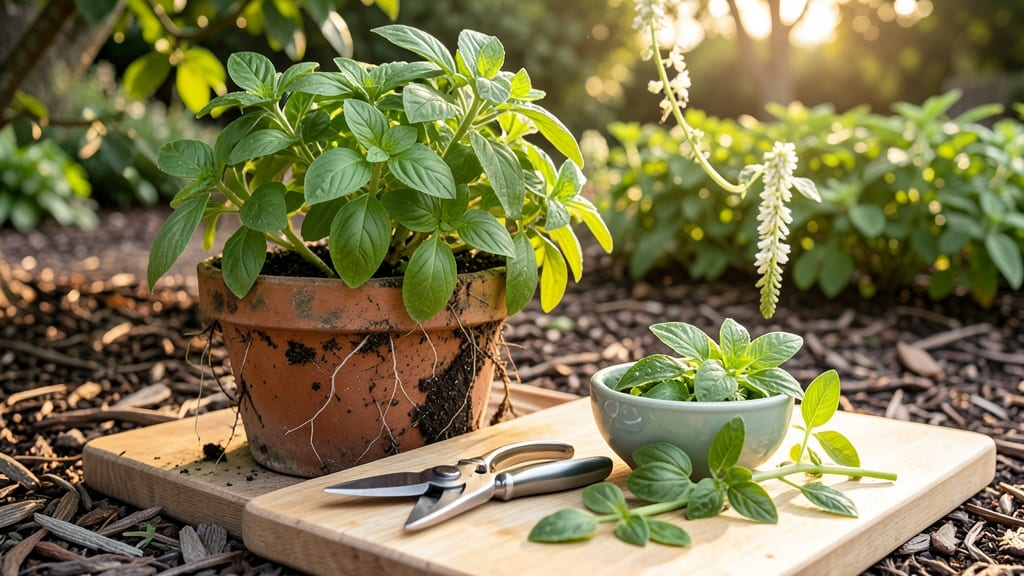
Harvesting lemon basil at the right time keeps its bright, zesty flavor 🍋 and encourages bushier growth—something many gardeners overlook until it’s too late.
Picture this: you’ve nurtured your lemon basil for weeks, only to pinch off leaves when they’re already tough or bitter. That’s the moment you realize timing matters more than you thought.
In this guide, I’ll walk you through the exact visual cues to spot—like leaf size, stem firmness, and that signature citrus scent—that signal peak harvest time.
You’ll also discover how to trim stems the right way, store your harvest, and keep your plant thriving for months, not weeks. Let’s get started!

When to harvest lemon basil: 3 visual cues for optimal flavor
Harvesting lemon basil at the right moment transforms your garden into a flavor factory. Unlike other herbs, lemon basil loses its signature citrusy punch when left too long, but timing it perfectly ensures maximum aromatic intensity and encourages bushier growth.
The secret? Watching for these three key visual cues that signal peak harvest readiness.
Many gardeners wait until the plant looks "big enough" before harvesting, but by then, the flavor potency has already started declining. The best time to harvest is actually before flowering, when the plant is still putting all its energy into leaf production.
This simple adjustment can triple your harvest yield while keeping those bright lemon notes vibrant.
Here’s the game-changer: your lemon basil will show you exactly when it’s ready—you just need to know what to look for. These three visual signals are your green light to grab those shears and start harvesting:
Leaf Size & Color
Wait until leaves reach 2-3 inches long and are a vibrant green. Smaller leaves (under 1 inch) lack full flavor, while yellowing leaves mean the plant is stressed.
Stem Firmness
Stems should feel firm but flexible, not woody or brittle. Woody stems indicate the plant is past its prime, while floppy stems mean it needs more sun or water.
Flower Buds
If you spot tiny flower buds forming at the stem tips, it’s time to harvest immediately. Flowering signals the plant is shifting energy from leaves to reproduction, causing flavor to fade.
One of the biggest mistakes I see is waiting until the plant is tall and leggy before harvesting. By then, the lower leaves have already lost their punch, and the plant’s energy is focused on reaching for light rather than producing flavorful foliage.
The solution? Harvest regularly every 2-3 weeks to encourage compact, bushy growth with maximum flavor.
Pro tip: Always harvest in the morning after the dew has dried but before the sun gets too intense. This is when the essential oils (responsible for that lemon zing) are at their peak concentration. Plus, morning harvests give your plant the entire day to recover and produce new growth.
If you’re growing lemon basil in containers, watch for these cues even more closely—they tend to mature faster due to limited root space. Container-grown plants often need harvesting every 1-2 weeks to prevent them from becoming pot-bound or flowering prematurely.
Remember: the more you harvest correctly, the more your lemon basil will reward you with lush, flavorful growth. Think of it like pruning a shrub—regular, strategic cuts keep the plant healthy and productive.
And unlike some herbs, lemon basil actually thrives with frequent harvesting, as long as you’re following these visual cues.
Next time you’re tempted to wait "just a little longer" before harvesting, ask yourself: Are the leaves 2-3 inches long and vibrant? Are the stems firm but not woody? Are there any flower buds? If the answer is yes to any of these, it’s time to harvest—your taste buds (and your plant) will thank you.
Step-by-step lemon basil harvesting techniques for busy gardeners
Now that you know when to harvest your lemon basil, let’s focus on how to do it efficiently so your plant stays bushy and flavorful. The right harvesting technique makes all the difference—whether you’re growing in containers or garden beds.
I’ve tested these methods with my own lemon basil plants, and they’ve helped me maximize yields without stressing the plants.
Harvesting lemon basil correctly isn’t just about cutting leaves—it’s about pruning strategically to encourage more growth. When done right, you’ll end up with a compact, productive plant that keeps giving you those bright, citrusy leaves all season.
The key is using the right tools, cutting at the proper spots, and knowing how often to harvest without overdoing it.
Gather Your Tools
Use sharp pruning shears or clean scissors to avoid crushing stems. Dull tools cause damage that slows recovery. For small leaves, your fingers work too—just pinch above a leaf node.
Locate the Leaf Node
Always cut just above a leaf node (the small bump where leaves grow). This encourages new branches to form, creating a bushier plant. Avoid cutting into woody stems.
Harvest Strategically
For maximum flavor, harvest outer leaves first to protect new growth. If harvesting stems, take 3-4 inches from the top. Never remove more than 1/3 of the plant at once.
Establish a Schedule
Harvest every 2-3 weeks for garden plants or every 1-2 weeks for containers. This prevents legginess and ensures continuous production of flavorful leaves.
Store Properly
Rinse leaves gently, pat dry, and store in a paper towel-lined container in the fridge for up to 5 days. For long-term storage, dry leaves or freeze in ice cube trays with water.
One common mistake I see is harvesting too aggressively, which can shock the plant. Lemon basil is resilient, but even it needs time to recover. If you notice new growth slowing down after harvesting, you’re likely taking too much at once.
Remember: the goal is to encourage more growth, not strip the plant bare.
For container growers, harvesting more frequently is actually beneficial because it prevents the plant from becoming root-bound. When roots fill the pot, the plant focuses on survival rather than producing flavorful leaves. By harvesting regularly, you’re essentially giving your lemon basil a reason to keep growing upward and outward.
Pro tip: If your lemon basil starts looking leggy or the leaves lose their vibrant color, it’s a sign you’ve been harvesting too little or not enough light. Move the plant to a sunnier spot and reduce your harvest frequency temporarily to let it recover.
Within a few weeks, you’ll see those bright green leaves and citrusy scent return.
With these techniques, you’ll enjoy a steady supply of lemon basil that stays flavorful and productive all season. The more consistent you are with harvesting, the more your plant will reward you with lush, aromatic growth—perfect for salads, teas, or homemade pest repellents.