
How To
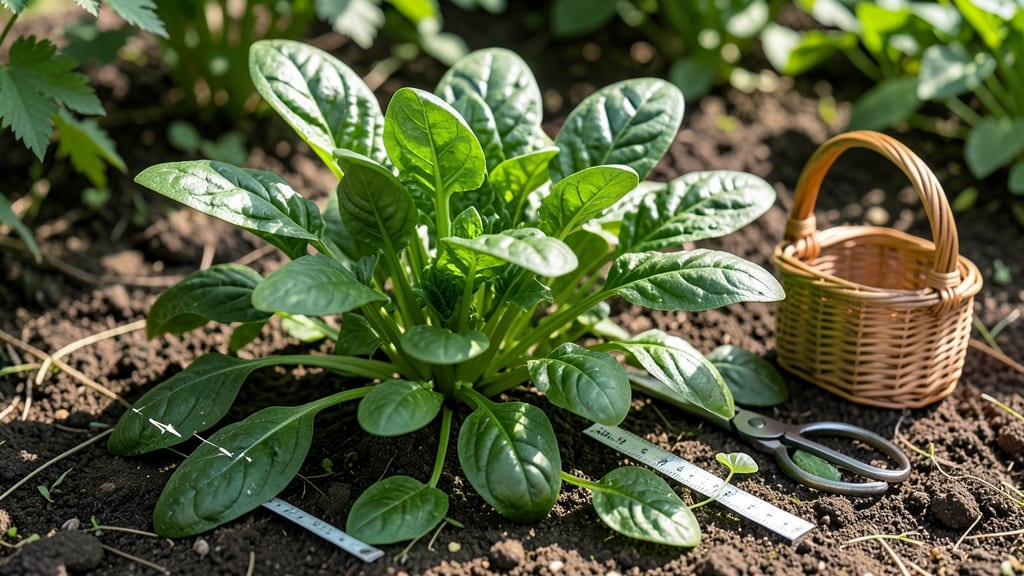
To know when to harvest spinach, watch for leaves that reach 4-6 inches and stay tender with a deep green hue—this is your cue for peak flavor and texture.
Harvesting spinach at the right time ensures tender leaves packed with flavor—wait too long, and your homegrown bounty turns bitter and tough. But how do you know when those perfect leaves are ready?
Spinach 🌱 thrives when you pick it young, but there’s a sweet spot: leaves should be fully formed but still crisp, not woody. Overlooking this window means sacrificing both taste and regrowth potential.
Below, I’ll break down the exact visual cues—leaf size, color, and firmness—and share pro tips for continuous harvesting to keep your spinach producing all season long.

Spinach leaf size and color: the ultimate harvesting guide
Harvesting spinach at the right time transforms your garden into a flavor factory—think tender, sweet, and crisp leaves instead of bitter, stringy disappointments. The secret lies in two simple visual cues: leaf size and color.
For baby leaves, aim for 2-3 inches when they're still delicate, while mature spinach should reach 4-6 inches with vibrant deep green hues.
I’ve learned the hard way that waiting too long turns spinach into a tough, fibrous mess—like chewing on a rubber band. But harvesting too early means missing out on the full flavor potential.
The key is balancing maturity and tenderness, which I’ll break down in detail below to help you nail that perfect harvest window every time.
Here’s the golden rule: Harvest outer leaves first when they reach your target size. This encourages continuous regrowth and keeps your spinach producing for weeks. Think of it like trimming your hair—you want to maintain shape while keeping it healthy.
For visual learners, I’ve created a quick comparison table below that shows exactly what to look for in both baby and mature spinach leaves. This will help you spot the difference between ready-to-eat perfection and overgrown disappointment at a glance.
| Harvest Stage | Leaf Size | Color | Texture | Harvest Tip |
|---|---|---|---|---|
| Baby Leaves | 2-3 inches | Bright green | Very tender | Snip entire small leaves |
| Mature Leaves | 4-6 inches | Deep green | Crisp but not tough | Cut outer leaves at base |
| Overmature | 6+ inches | Yellowing edges | Tough and bitter | Remove entire plant |
Let’s talk about that deep green color—this isn’t just about aesthetics. Vibrant green means your spinach is packed with chlorophyll and nutrients. If you notice yellowing leaves, it’s a sign of either nutrient deficiency or overmaturity.
In my garden, I’ve found that adding a nitrogen-rich fertilizer every 4-6 weeks keeps those leaves looking fresh and appetizing.
For baby spinach, you can harvest as early as 30 days after planting, but most varieties hit their sweet spot around 45 days. The trick is to pick leaves when they’re fully formed but still tender.
If you wait until they’re fully grown (6+ inches), you’ll sacrifice that delicate texture that makes spinach so enjoyable in salads and sandwiches.
I always harvest in the morning when leaves are crispest. Use clean, sharp scissors or pruners to cut leaves just above the soil line. This prevents damage to the plant and encourages new growth. Avoid pulling leaves by hand—it can uproot the entire plant and stunt future harvests.
One common mistake I see is harvesting all leaves at once. Instead, focus on the outer leaves first. This method, called cut-and-come-again, lets you enjoy a continuous harvest for weeks. Just leave the inner leaves to keep growing—they’ll eventually become your next batch of perfect-sized spinach.
Pro tip: If your spinach starts developing flowering stems, it’s time to harvest everything immediately. These stems signal the plant is bolting, which means the leaves will turn bitter.
In hot climates, I’ve found that providing partial shade during peak afternoon hours helps delay bolting and extends the harvest window.
Remember, the ideal harvest time depends on your spinach variety. Some types like 'Baby’s Leaf Hybrid' are ready in just 30 days, while others like 'Giant Winter' take up to 60 days.
Always check the seed packet for specific recommendations, but use the leaf size and color guidelines as your final judge.
5 Key signs your spinach is ready for harvesting (beyond size)
Harvesting spinach isn’t just about leaf size—it’s also about leaf firmness, growth speed, and even environmental cues. When your spinach reaches 4-6 inches but still feels tender, that’s your first sign.
But there are other subtle indicators that tell you it’s truly time to harvest, like how quickly new leaves appear or whether the plant is starting to bolt.
Beyond size, pay attention to how quickly your spinach is growing. If you notice new leaves emerging every 3-5 days and the plant looks bushy with multiple mature leaves, it’s ready.
This rapid growth means the plant is thriving and producing at its peak. Slow growth, on the other hand, could signal nutrient deficiency or stress, which might delay harvest readiness.
Here are the 5 key signs your spinach is ready for harvesting, beyond just leaf size:
- 1 Leaf Firmness: Press a leaf gently—if it springs back and feels crisp but not tough, it’s ready. Overly soft leaves may still need time, while leaves that feel leathery are past their prime.
- 2 Rapid Growth: If new leaves appear every 3-5 days and the plant looks full, it’s producing at its peak. Slow growth suggests stress or nutrient issues.
- 3 Flowering Stems: If you spot a tall, thin stalk emerging from the center, your spinach is bolting. Harvest everything immediately—leaves will turn bitter.
- 4 Temperature Cues: Spinach grows best in cool weather (50-75°F). If temperatures rise above 80°F, growth slows, and leaves may become tough faster.
- 5 Sunlight Exposure: Spinach needs 4-6 hours of sunlight daily. Too much direct sun (especially in hot climates) causes bolting. If leaves look dull or wilted in afternoon heat, provide partial shade.
Environmental factors like temperature and sunlight play a huge role in harvest timing. Spinach thrives in cool, consistent temperatures—if your region experiences sudden heatwaves, your spinach may bolt prematurely. I’ve found that providing afternoon shade in hot climates can extend the harvest window by 2-3 weeks.
For example, in my Zone 6a garden, I plant spinach in early spring and late summer for fall harvests. The key is to monitor daily temperatures—if nights stay above 70°F, growth slows, and leaves may not reach their full flavor potential.
In these cases, I switch to harvesting baby leaves (2-3 inches) instead of waiting for mature size.
Pro tip: If your spinach starts to yellow at the edges or develop brown spots, it’s a sign of overmaturity or nutrient deficiency. At this stage, harvest everything immediately—these leaves won’t improve. Instead, focus on preventing stress by keeping soil moist and well-fertilized with nitrogen-rich compost.
By combining these 5 key signs with the leaf size and color guidelines from earlier, you’ll never miss the perfect harvest window again. Your spinach will stay tender, flavorful, and ready for your kitchen—without any surprises. 🌱