
How To
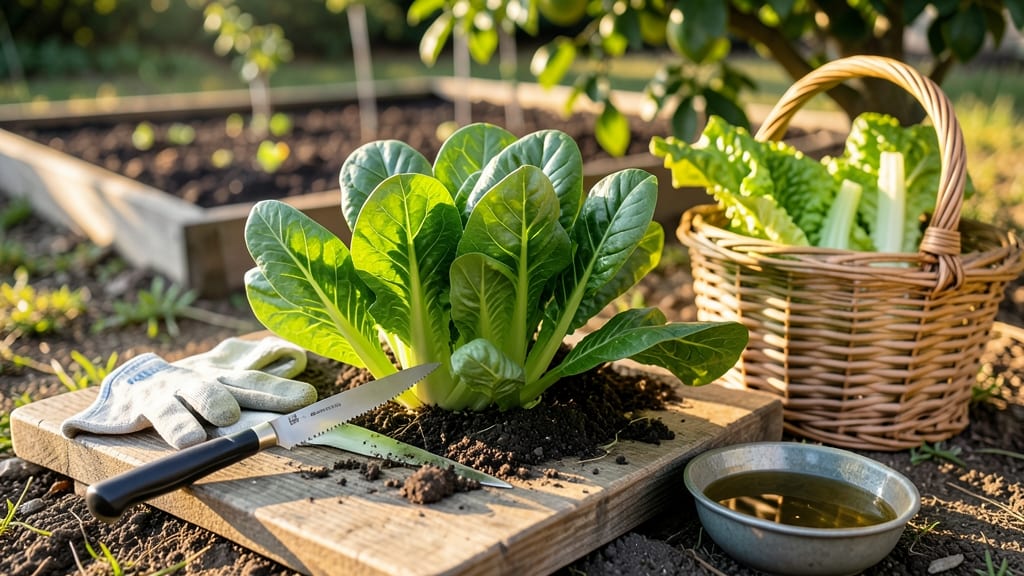
Harvesting lettuce from your garden at the right time turns bitter, tough leaves into crisp, flavorful greens you’ll actually want to eat.
Nothing beats the fresh crunch of homegrown lettuce—except maybe the disappointment of wilted, overgrown heads you pulled too late. The secret isn’t just when you harvest, but how: a sharp snip here, a gentle tug there, and your plants will keep producing for weeks.
You’ll learn the exact signs to watch for—leaf size, texture, and color cues—that tell you it’s time to pick. Plus, the tools you’ll need (spoiler: you probably already have them) and how to store your harvest so it stays fresh longer than store-bought.
By the end, you’ll know how to avoid common mistakes that turn your garden into a sad, wilted salad bar. Ready to master the art of harvesting 🥬 like a pro?

When to harvest lettuce for maximum crispness and flavor
Harvesting lettuce at the right moment transforms your garden into a crisp, flavorful salad factory. The key lies in understanding your lettuce variety, leaf maturity, and weather conditions.
For loose-leaf types like Buttercrunch or Romaine, timing is flexible, but head lettuces like Iceberg demand precision to avoid bitterness or bolting. Even a few extra days can turn tender leaves into tough, bitter disappointments.
Start checking your lettuce 28 days after planting, though most varieties reach peak flavor between 45-60 days. Look for fully formed leaves that are 4-6 inches long—this is your first clue.
The leaves should feel crisp and firm when gently squeezed, not soft or rubbery. A pale or yellowing hue signals overmaturity, while tiny, underdeveloped leaves mean you’re too early.
Weather plays a surprising role in harvest timing. Cool spring and fall temperatures (50-70°F) are ideal for crispness, while summer heat can trigger bolting (flowering) even before leaves mature. If your garden is in Zone 6a, aim for harvests in May-June or September-October to avoid summer’s harsh conditions.
Morning harvests are best—leaves are coolest and most hydrated after overnight dew.
Seasonal adjustments are crucial for year-round success. In spring, harvest as soon as leaves reach 4 inches to beat bolting. For fall crops, wait until leaves are fully colored but still tender.
If you’re growing winter lettuce under row covers, harvest before temperatures dip below 40°F to prevent frost damage.
| Factor | Ideal Condition | Signs of Readiness | Avoid This |
|---|---|---|---|
| Leaf Size | 4-6 inches long | Fully formed, crisp edges | Overgrown, tough leaves |
| Temperature | 50-70°F | Cool mornings, mild days | Heat waves (>80°F) |
| Maturity Days | 45-60 days | Vibrant color, firm texture | Bitter taste, yellowing |
| Season | Spring/Fall | Morning harvests | Summer bolting risk |
| Storage Life | 3-7 days | Crisp after washing | Wilted, slimy leaves |
Don’t overlook the visual cues that signal perfect harvest timing. Healthy lettuce leaves should be deep in color—whether rich green, deep red, or purple—with no brown edges. A slight glossiness on the surface indicates freshness.
For loose-leaf varieties, you can harvest outer leaves first, leaving the inner core to regrow for 3-4 weeks of continuous harvests.
If your lettuce starts developing a tough core or bitter taste, it’s past its prime. This often happens when leaves grow too large or experience temperature stress. To prevent this, use shade cloth during summer or opt for heat-tolerant varieties like Jericho or Black Seeded Simpson.
These varieties handle warmer climates better and stay crisp longer.
For head lettuces, wait until the head is fully formed but still firm. Gently squeeze the head—it should feel solid, not hollow. If the core feels soft or the leaves start to loosen, harvest immediately.
Overripe heads develop a hollow core and yellowing leaves, making them inedible. Timing is everything: harvest just before the head loosens.
Pro tip: Use a sharp knife or clean scissors to harvest leaves at the base, leaving 1/4 inch of stem to encourage regrowth. For head lettuces, cut the entire head 1 inch above the soil to avoid damaging the roots.
Always harvest in the morning when leaves are cool and hydrated—this preserves crispness for 5-7 days in the fridge.
Seasonal extensions can push your harvest window. In Zone 6a, use row covers to protect fall lettuce from early frosts, extending harvests into November. For spring crops, start seeds indoors 6-8 weeks before the last frost date.
This staggered approach ensures a continuous supply of crisp, flavorful lettuce from late spring to early fall.
Mastering harvest timing turns your lett
Step-by-step lettuce harvesting techniques to preserve freshness
Harvesting lettuce the right way transforms your garden into a never-ending salad bar. The key is using the proper technique to avoid damaging the plant while ensuring your greens stay crisp and flavorful. Whether you're harvesting loose-leaf varieties or tight heads, these methods will keep your lettuce producing for weeks.
Start by gathering your tools: a sharp pair of pruning shears or a clean knife for cutting, and a bowl or basket for collecting your harvest. Work during the coolest part of the day—early morning is ideal—to prevent wilting and maintain crispness.
Always wash your hands and tools before handling the lettuce to avoid introducing bacteria.
How to Harvest Lettuce from Garden
- Step 1: Check leaf maturity. For loose-leaf varieties, pick outer leaves when they reach 4-6 inches in length. For head lettuce, harvest when heads are firm and fully formed.
- Step 2: Use clean pruning shears or a knife to cut leaves 1 inch above the base. For head lettuce, cut the entire head at the soil line.
- Step 3: Avoid pulling leaves—this can uproot the plant. For regrowth, leave the inner core intact and harvest outer leaves first.
- Step 4: Rinse harvested lettuce in cool water to remove dirt. Gently shake off excess water and pat dry with a clean towel.
- Step 5: Store lettuce in a perforated plastic bag lined with a paper towel to absorb moisture. Keep refrigerated at 32-36°F for up to 1 week.
If you're growing cut-and-come-again varieties, like romaine or butterhead, you can extend your harvest by cutting leaves just above the growing point. This encourages the plant to produce more leaves, giving you a continuous supply.
Just be sure to leave at least 2-3 inches of growth to keep the plant healthy.
For head lettuce like iceberg or crisphead, harvest the entire head when it reaches full size. Cut the head cleanly at the base, leaving the roots in the soil. This method ensures you get the full harvest, but the plant won’t regrow.
If you want to maximize your garden space, consider planting a quick-growing variety like leaf lettuce in the same spot afterward.
After harvesting, inspect your plants for any signs of pests or disease. Remove any damaged or yellowing leaves immediately to prevent the spread of issues.
Water your plants lightly after harvesting to help them recover, especially if you’ve cut into the stem. This keeps the soil moist and encourages new growth.
With these techniques, your lettuce will stay fresh longer, and your garden will keep producing delicious greens for weeks. Plus, you’ll avoid the heartbreak of bitter, overgrown lettuce that’s past its prime. Happy harvesting! 🥬