
How To
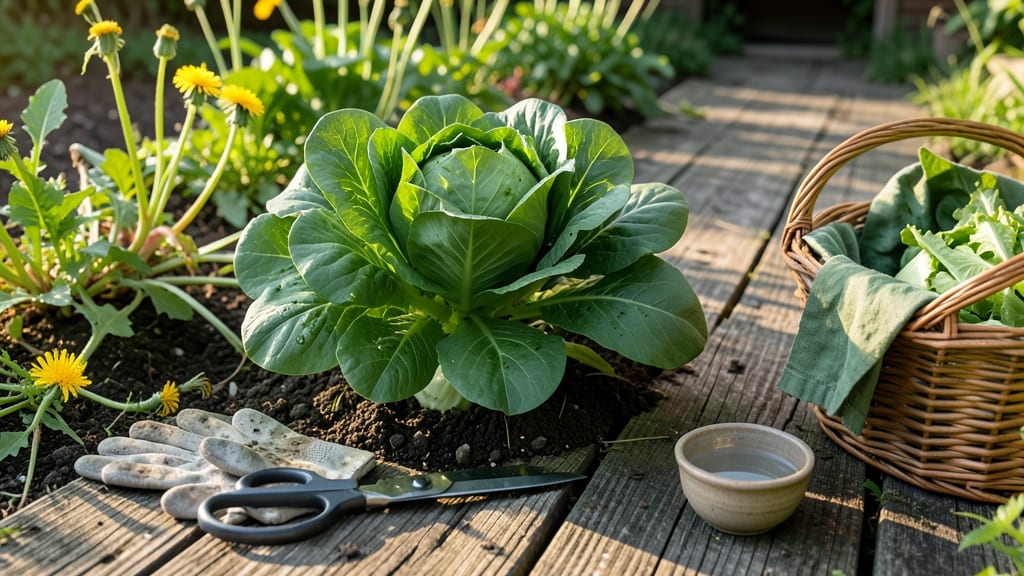
To harvest lettuce at its peak freshness, focus on timing and technique—cutting outer leaves when they’re 4-6 inches long and crisp ensures the best flavor and texture.
Nothing beats the freshness of homegrown lettuce—crisp, vibrant, and ready to elevate your salads—but harvesting too early or too late can ruin the flavor and texture. Mastering the art of harvesting lettuce ensures you get the most flavorful, tender leaves every time.
If you’ve ever picked lettuce only to find it bitter or wilted by lunchtime, you know how important the right moment is. The secret lies in three simple tests: leaf size, firmness, and color. Skip these, and you risk losing your entire head.
In this guide, I’ll walk you through the exact steps to harvest lettuce—whether you’re cutting outer leaves for a cut-and-come-again method or harvesting the whole head. You’ll also learn how to store your harvest so it stays crisp for days.

When to harvest lettuce: 3 simple tests for perfect picking
Harvesting lettuce at the right moment transforms your garden into a salad bar of crisp, flavorful leaves. But timing is everything—wait too long, and your lettuce turns bitter or bolted; harvest too early, and you sacrifice full flavor and texture.
The key lies in three simple tests that reveal when your lettuce is ready to pick, ensuring you enjoy the best possible taste and quality every time.
I’ve learned through years of gardening that visual cues and leaf firmness are the best indicators of harvest readiness. These tests apply to all lettuce varieties, whether you’re growing butterhead, romaine, or leaf lettuce.
By mastering these methods, you’ll avoid the frustration of overgrown or underdeveloped lettuce and maximize your garden’s productivity.
- Leaf Size Test: Measure outer leaves—4-6 inches long signals readiness. Use a ruler to check; smaller leaves lack full flavor.
- Firmness Test: Gently squeeze a leaf—it should feel crisp but tender. Soft or mushy leaves are overripe; hard leaves need more time.
- Color Test: Vibrant, consistent color (deep green, red, or purple) means maturity. Pale or uneven hues indicate stress or immaturity.
Let’s start with the leaf size test, which is the easiest way to gauge maturity. Most lettuce varieties are ready when the outer leaves reach 4-6 inches in length.
For varieties like romaine, this might mean the entire head is firm and upright, while loose-leaf types will have several large, fully formed leaves. I always use a ruler to check—it’s surprising how quickly lettuce grows once it hits this stage!
Next, the firmness test reveals texture quality. A ripe lettuce leaf should feel crisp yet tender when lightly squeezed between your fingers. If it feels soft or mushy, it’s past its prime and may taste bitter.
On the flip side, if the leaves feel too tough or woody, they need more time to mature. This test is especially critical for varieties like iceberg, which can become overly crunchy if left too long.
Finally, the color test ensures your lettuce is at its peak. Healthy, mature lettuce leaves should have a vibrant, consistent color—whether that’s deep green, rich red, or purple. Uneven coloring or pale leaves often signal stress from too much sun, not enough water, or poor soil nutrition.
I’ve found that red varieties, like red leaf lettuce, are particularly sensitive to color changes, so I pay extra attention to their hue.
One common mistake I see in gardens is waiting until the entire head is fully grown before harvesting. For cut-and-come-again varieties, like loose-leaf lettuce, you can start picking outer leaves as soon as they reach 3-4 inches, allowing the inner leaves to continue growing.
This method gives you a steady harvest and prevents the plant from bolting prematurely. For head lettuces, like romaine, wait until the whole head is firm and compact.
Overlooking these tests can lead to bitter-tasting lettuce or even bolting, where the plant sends up a flower stalk. Bolting is triggered by stress—whether from heat, drought, or maturity—and turns your crisp lettuce into a tough, seed-producing plant.
To avoid this, I always harvest my lettuce in spring or fall when temperatures are mild, and I keep the soil consistently moist.
For those growing lettuce in containers, the same tests apply, but you’ll need to monitor growth more closely due to limited space. Container-grown lettuce often matures faster, so check your leaves every 2-3 days once they start to fill out.
I’ve had great success with dwarf varieties in pots, as they reach harvest size in just 30-40 days, making them perfect for small gardens or balconies.
Once you’ve mastered these three tests, harvesting lettuce becomes second nature. You’ll know exactly when to pick for the best flavor and texture, and you’ll avoid the disappointment of overgrown or bitter leaves.
Remember, the goal is to enjoy your homegrown lettuce at its peak—nothing beats the satisfaction of a crisp, fresh salad straight from your garden!
Step-by-step guide to harvesting lettuce without damaging the plant
Harvesting lettuce the right way means preserving your plant’s health while getting the freshest leaves. Whether you’re growing butterhead, romaine, or leaf lettuce, the method matters—especially if you want a second harvest.
The key is to use the right tools and techniques to avoid stressing the plant or inviting pests.
I’ve learned the hard way that yanking leaves or using dull tools can damage the plant, leading to bitter regrowth or even death. Instead, follow these steps to harvest lettuce cleanly, whether you’re picking outer leaves or harvesting the whole head.
You’ll also learn how to encourage more growth for a continuous supply.
- Step 1: Gather Your Tools
Use sharp pruning shears or a clean kitchen knife—never your fingers! Dull tools crush leaves, causing browning and inviting rot. Avoid scissors with serrated edges, as they tear instead of cutting smoothly.
- Step 2: Choose Your Harvest Method
For cut-and-come-again lettuce, snip outer leaves only, leaving the inner core intact. For whole-head harvests, cut the entire plant 1-2 inches above the soil to encourage regrowth in some varieties like romaine.
- Step 3: Cut at the Right Angle
Hold the blade at a 45-degree angle to avoid damaging the stem. For outer leaves, cut just above a leaf node to promote new growth. For whole heads, slice cleanly to prevent ragged edges that trap moisture.
- Step 4: Handle with Care
Place harvested leaves in a shallow container to avoid bruising. Rinse only right before eating—wet leaves wilt faster. If storing, pat dry gently with a clean towel or paper towels to remove excess moisture.
- Step 5: Post-Harvest Plant Care
After harvesting, water the soil deeply but lightly to encourage regrowth. Add a light mulch (like straw) to retain moisture and protect the base. Avoid fertilizing immediately—wait 3-5 days to let the plant recover.
If you’re harvesting for the first time, focus on outer leaves to avoid shocking the plant. Over time, you’ll notice that lettuce regrows surprisingly well if you leave the inner core intact.
For varieties like loose-leaf lettuce, you can even get 3-4 harvests from a single plant if cared for properly.
One common mistake I see is harvesting too much at once. Never remove more than 1/3 of the plant in a single session—this stresses the lettuce and can lead to bolting (flowering prematurely). Instead, space out your harvests every 2-3 weeks for a steady supply.
Pro tip: Harvest in the morning when leaves are crispest. This also gives you time to store or use them before the heat of the day causes wilting. With these techniques, you’ll enjoy a continuous harvest all season long! 🥬