
How To
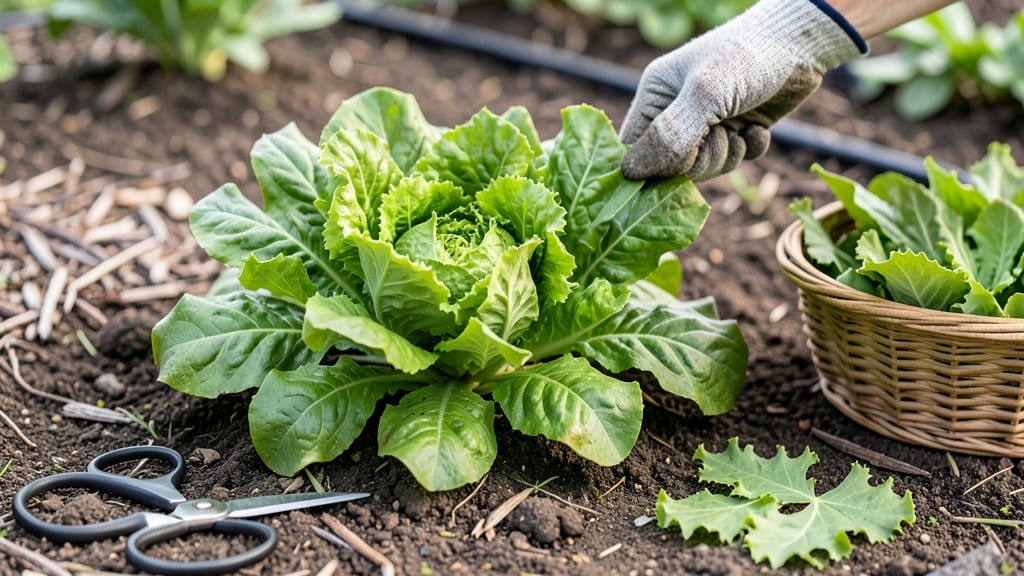
To harvest leaf lettuce 🥬 at its peak crispness, focus on timing and technique—cutting leaves just before they bolt ensures a steady supply all season.
Picture this: you’ve nurtured your leaf lettuce for weeks, only to watch it bolt before you’ve even enjoyed a full harvest. The cut-and-come-again method changes that—by harvesting outer leaves early, you encourage regrowth and extend your harvest window by weeks.
This approach isn’t just about yield; it’s about sustainability. Proper cutting techniques, like avoiding the center leaves, keep your plants healthy and productive, while post-harvest care ensures your lettuce stays fresh and ready to eat.
Below, I’ll walk you through the exact steps—from identifying the perfect leaf to storing your harvest—so you can enjoy homegrown greens without the waste.

Step-by-step guide to harvesting leaf lettuce using cut-and-come-again
The cut-and-come-again method is my favorite way to harvest leaf lettuce because it extends your harvest season while keeping plants healthy. Instead of pulling the whole plant, you cut outer leaves, allowing the center to regrow.
This technique works best with loose-leaf varieties like Buttercrunch or Black Seeded Simpson, but even romaine can benefit.
Timing is everything—harvest when leaves reach 4-6 inches long but before they bolt (send up flower stalks). Morning harvests are ideal because leaves are crispest after overnight hydration. Avoid harvesting in hot afternoons or after heavy rain when leaves may be wilted or contaminated.
How to Harvest Leaf Lettuce
- Step 1: Choose the right leaves—look for outer leaves that are 4-6 inches long and fully mature. Avoid cutting into the inner heart to preserve regrowth.
- Step 2: Grab a sharp pair of scissors or clean pruning shears. Dull tools crush stems, slowing regrowth. Sterilize blades with rubbing alcohol if reusing.
- Step 3: Cut leaves 1 inch above the base at a 45-degree angle. This exposes more surface area for new growth and prevents water from pooling on the stem.
- Step 4: Leave 2-3 inches of growth at the center. The inner heart leaves should remain intact to fuel regrowth. Never remove more than 1/3 of the plant at once.
- Step 5: Harvest every 7-10 days during peak growing season. In hot weather, space harvests 10-14 days apart to avoid stressing the plant.
- Step 6: Rinse leaves immediately in cool water to remove dirt and pests. Pat dry with a clean towel or salad spinner to prevent rot.
After harvesting, give your lettuce a little post-harvest care to encourage regrowth. Water deeply at the base of the plant (avoid wetting leaves to prevent disease) and apply a light layer of compost around the roots. This replenishes nutrients lost during cutting.
If your lettuce starts to bolt (send up flower stalks), it’s time to harvest the entire plant. Bolting happens when days get longer or temperatures rise, but proper shade cloth (30-50% coverage) can delay it in hot climates.
For varieties prone to bolting, like arugula, harvest quickly before this occurs.
Pro tip: Use harvested leaves immediately or store them in a plastic bag with a paper towel in the fridge for up to 5-7 days. For longer storage, blanch and freeze leaves—this preserves their crisp texture for months.
With the cut-and-come-again method, you can enjoy continuous harvests for 4-6 weeks per planting. Just remember: patience and precision are key. Over-harvesting weakens the plant, while gentle cuts keep it producing fresh, tender leaves all season.
🥬
Best practices for continuous lettuce harvesting without bolting
Keeping your leaf lettuce productive and preventing it from bolting (flowering prematurely) requires a few simple but critical strategies. Bolting turns your tender leaves into bitter, seed-stalk-filled disappointment—so let's avoid that! The key lies in managing light exposure, water consistency, and nutrient balance throughout the growing season.
First, I always prioritize proper spacing when planting. Crowded lettuce plants compete for nutrients and light, which stresses them and triggers bolting. Space your seedlings 6-12 inches apart in rows 12-18 inches apart. This gives each plant room to breathe and access to partial shade from neighbors during hot afternoons.
🚨
Lettuce bolts when exposed to temperatures above 75°F or 14+ hours of daylight. In summer, use shade cloth (30-50%) to block afternoon sun. For year-round success, plant heat-tolerant varieties like Romaine or Buttercrunch in late summer for fall harvests.
Next, let's talk watering discipline. Lettuce roots are shallow, so consistent moisture is non-negotiable. I water mine early in the morning to prevent fungal diseases and keep soil evenly moist. During summer, I might water twice daily—once in the morning and once in the late afternoon—to combat evaporation. Drought stress is a major bolting trigger, so never let the soil dry out completely.
For soil nutrients, I use a balanced fertilizer (5-10-10) lightly at planting and again after the first harvest. The key is moderation—too much nitrogen causes rapid growth that bolts quickly, while too little starves the plant.
In summer, I skip fertilizing entirely to avoid encouraging new growth during heat waves. Instead, I focus on mulching with straw to retain moisture and cool the roots.
Seasonal adjustments are everything. In spring and fall, lettuce thrives with cool temperatures (50-65°F) and 6-8 hours of sunlight. But when summer arrives, I switch to shade-tolerant varieties and protect my plants with row covers or drip irrigation to keep leaves crisp.
For winter harvests, I extend the season with cold frames or low tunnels to prevent frost damage.
Finally, always harvest outer leaves first, leaving the inner rosette intact. This minimizes stress and encourages continuous growth. With these practices, I've kept my lettuce producing crisp, tender leaves for months—no bolting in sight! The secret? Staying one step ahead of heat, drought, and overcrowding.