
How To
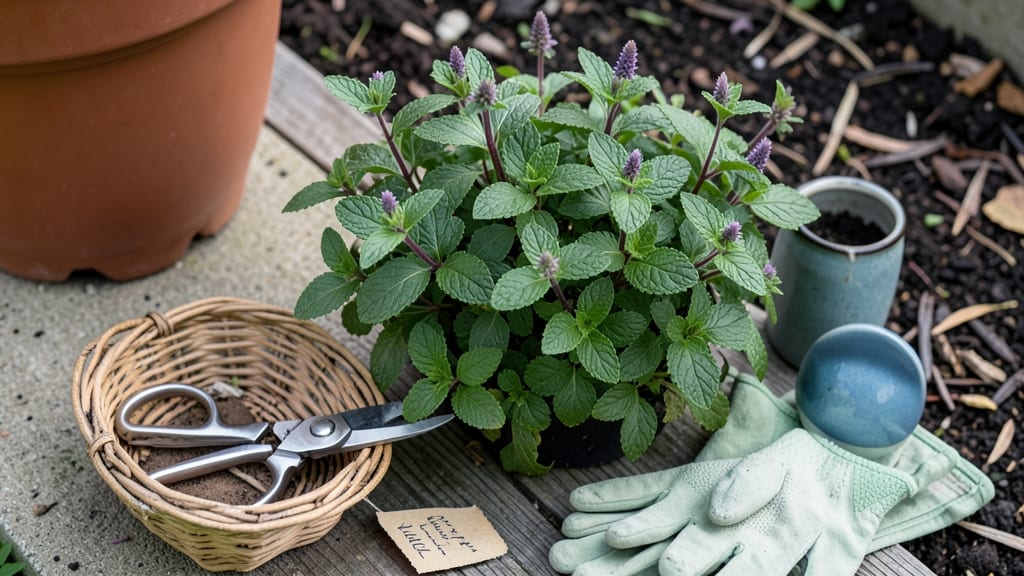
Harvesting mint at the right time ensures vibrant flavor and prevents those tough, woody stems that turn your fresh herbs into a disappointing afterthought.
Picture this: you’ve spent weeks nurturing your 🌿 mint, and now the stems are thickening, the leaves losing their punch. That’s your plant telling you it’s past its prime. But with the right timing and technique, you can keep your mint tasting bright and fresh all season long.
Knowing when to snip—before flowering, when leaves are dark and glossy—makes all the difference. Too late, and you’re left with bitter, fibrous stems that ruin dishes and teas. Too early, and you stunt the plant’s growth. The key? A little patience and a sharp pair of shears.
In this guide, I’ll walk you through the exact steps to harvest mint like a pro—when to cut, how to encourage regrowth, and the best ways to store your bounty so you never run out of that fresh, zesty flavor.

When to harvest mint for maximum flavor and avoid woody stems
Harvesting mint at the right time ensures peak flavor and prevents those woody stems that turn your fresh herb into a tough, bitter mess.
The best window for harvesting is late spring to early summer, when your mint plant is actively growing but hasn't had time to mature into hard, woody growth. This timing aligns with when most gardeners see their mint reach 4-6 inches tall with vibrant, dark green leaves.
Why does timing matter so much? Because once mint plants start flowering or their stems become hard and woody, the leaves lose their aromatic oils—the compounds that give mint its signature taste.
For culinary or medicinal use, you want those fresh, tender leaves packed with flavor. Even if you're growing mint for homemade remedies like teas or tinctures, woody stems mean a weaker, less effective product.
Identifying woody stems is simple: run your fingers along a stem. If it feels firm and slightly rough (like a pencil), it's time to harvest before it gets worse.
Woody stems are a sign your plant is mature and slowing down, which happens more quickly in hot summer months or if your mint isn't getting enough partial shade. Regular harvesting actually encourages bushier, softer growth by preventing the plant from putting energy into seed production.
Here’s what you need to know about the ideal harvest window and how to spot woody stems before they ruin your crop:
| Harvest Stage | Key Characteristics | Best For | Avoid When |
|---|---|---|---|
| Early Growth | Soft stems, 4-6" tall, dark green leaves | First harvests, gentle pruning | None |
| Peak Flavor | Vibrant leaves, upright stems, no buds | Culinary use, teas, remedies | Stems feel slightly woody |
| Late Summer | Hard, woody stems, yellowing leaves, flower buds | Drying for winter use | Fresh culinary use |
| Fall/Winter | Dormant growth, minimal new leaves | Pruning back for spring | Harvesting leaves |
Spring is your golden window for harvesting mint because the plant is focused on leaf growth rather than flowering. Aim to harvest in May and June when days are long but not yet scorching.
If you're in a warmer climate, you might extend this window into early July, but always check stems for woodiness before committing to a big harvest. In cooler regions, mint may slow down earlier, so harvest before the first signs of flower buds appear.
For medicinal uses, like making mint-infused oils or tinctures, timing is even more critical. The aromatic compounds in mint—like menthol—are most concentrated in young, tender leaves. If you're growing mint for remedies, prioritize harvesting in late spring when the plant is at its freshest.
Woody stems contain far fewer active compounds, making your remedies less effective. Always harvest before flowering to maximize potency.
One common mistake gardeners make is waiting too long to harvest, thinking the plant needs to "mature." But mint is an aggressive grower that spreads quickly, and delaying harvests leads to woody stems and bitter leaves.
Instead, treat mint like a haircut: regular trims keep it lush and flavorful. Cut back one-third of the plant every 4-6 weeks during the growing season to encourage new, tender growth and prevent woodiness.
If you miss the ideal harvest window and your mint develops woody stems, don’t panic. You can still use the leaves—just expect a milder flavor. For drying or making mint oil, woody stems work fine, but for fresh cooking, they’re best avoided.
To revive a woody mint plant, give it a hard prune in early spring, cutting back half the plant to encourage fresh, soft regrowth. With proper care, your mint will bounce back with vibrant, flavorful leaves in just a few weeks.
Remember, the key to harvesting mint successfully is consistency and timing. By harvesting in late spring and early summer, you’ll enjoy the brightest, most aromatic leaves for all your favorite recipes, teas, and remedies.
And if you act quickly, you’ll avoid the bitter, woody stems that turn a great herb into a gardening regret.
Step-by-step guide to harvesting mint without damaging the plant
Harvesting mint correctly keeps your plant thriving while ensuring you always have fresh, flavorful leaves. The key is to cut stems at the right spots and avoid over-harvesting.
I’ve learned that mint grows best when pruned regularly, so don’t wait until it’s too late—those woody stems are a dead giveaway your plant is past its prime.
Before you grab your shears, gather a few essential tools: clean, sharp pruning shears or scissors, a bowl for collecting leaves, and—if you’re feeling fancy—a small spray bottle of water.
Mint is a fast grower, so you’ll want to harvest often, but always leave enough foliage to keep the plant healthy and encourage new growth.
How to Harvest Mint Like a Pro
- ✂️ Choose the right stems: Look for stems with at least 4-6 pairs of leaves. These are mature enough to cut without harming the plant.
- 🌿 Cut just above a leaf node: Use your shears to snip the stem at a 45-degree angle, about 1/4 inch above where a set of leaves meets the stem. This encourages new shoots to grow from that node.
- 🌱 Avoid cutting into woody stems: If the stem feels hard or thick, it’s too late—skip it. Focus on tender, green growth for the best flavor.
- 💧 Harvest in the morning: Mint leaves are most flavorful and hydrated after a cool night’s rest. This is also when the plant is least stressed.
- 🌿 Leave at least 2/3 of the plant intact: Never harvest more than 1/3 of the plant at once. Mint regrows quickly, but you don’t want to shock it.
- 🌱 Encourage bushier growth: After harvesting, your mint should branch out and fill in. Pinch back any flowering stems immediately—they sap energy from the leaves.
Once you’ve harvested, rinse the leaves gently under cool water to remove any dirt or pests. Shake off excess water and pat dry with a clean towel.
If you’re not using the mint right away, store it in the fridge in a sealed container with a paper towel to absorb moisture. For long-term storage, drying or freezing works best—more on that in the next section!
Pro tip: If your mint starts to bolt or flower, it’s a sign to harvest more aggressively. Flowering means the plant is shifting its energy from leaves to seeds, which dulls the flavor.
Cut back the flower spikes to the nearest leaf node and redirect that energy back into leafy growth.
With these steps, your mint will stay lush, flavorful, and ready for harvest all season long. Happy harvesting—and remember, the fresher the mint, the brighter the flavor! 🌿