
How To
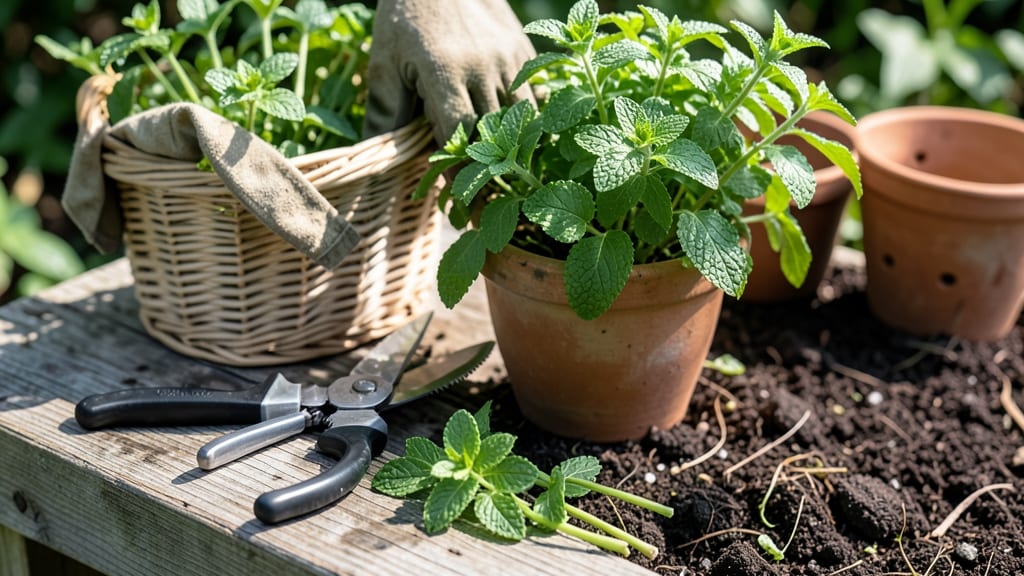
To harvest a mint plant at its peak flavor and vigor, time your cuts when stems hit 4-6 inches and leaves are vibrant 🌿 — a little patience here means bigger harvests later.
Mint isn’t just a kitchen staple—it’s a fast-growing, hardy herb that rewards precise harvesting with lush, flavorful regrowth. But timing and technique matter: harvest too early or too late, and you’ll sacrifice both yield and plant health.
You’ll learn the exact moments to snip for maximum flavor, the tools that make the job easier, and how to prune for bushier growth without stressing the roots.
Plus, I’ll share my go-to storage tricks to keep your harvest fresh—whether you’re drying it for tea or freezing it for cooking—so nothing goes to waste.

Best times to harvest mint for maximum flavor and growth
Harvesting your mint plant at the right time ensures boldest flavor and encourages vigorous regrowth. Unlike many herbs, mint thrives when you prune regularly, but timing matters—especially since overgrowth can lead to woody stems and reduced potency.
The best window? When stems reach 4-6 inches tall with fully mature leaves.
Seasonal shifts also play a role: spring harvests yield tender, fast-growing shoots perfect for culinary use, while summer harvests provide the most intense aroma. Fall harvesting should stop by late September to avoid stressing the plant before winter dormancy.
Always harvest just before flowering—this preserves flavor and redirects energy to leaf production.
Visual cues are your best guide: look for vibrant green leaves with a strong minty scent. If stems feel woody or hollow, you’ve waited too long. Overgrowth signs include yellowing lower leaves or stems stretching toward light—both signal it’s time to prune aggressively to restore balance.
| Season | Ideal Height | Leaf Maturity | Flavor Intensity | Harvest Frequency |
|---|---|---|---|---|
| Spring | 4–6 inches | Soft, tender leaves | Moderate | Every 3–4 weeks |
| Summer | 5–7 inches | Fully developed, aromatic | Highest | Every 2–3 weeks |
| Fall | 3–5 inches | Mature but not woody | Strong | Every 4–5 weeks |
| Overgrowth Signs | >7 inches | Yellowing leaves | Diminished | Prune immediately |
In spring, mint grows rapidly after last frost, making it ideal to harvest young shoots for salads or garnishes. The first harvest should occur 60–75 days after planting, when stems are 4–6 inches tall and leaves are opposite each other.
Avoid harvesting more than 1/3 of the plant at once to prevent shock.
During summer, mint’s growth accelerates, and you can harvest every 2–3 weeks for continuous production. The peak flavor occurs when leaves are fully mature but not flowering. If you notice flower buds, pinch them off immediately—they divert energy from leaf growth and reduce potency.
Fall harvesting should taper off by late September to allow the plant to store energy for winter. Focus on smaller cuts (3–5 inches) to maintain leaf quality. If your mint bolts to flower in fall, it’s a sign to harvest aggressively and consider propagating cuttings for next year.
Never harvest wilting or diseased leaves—this spreads fungal infections or pests. Always use clean, sharp scissors to make cuts just above a leaf node (where new growth emerges). This encourages bushier regrowth and prevents woody stems from forming.
If your mint becomes overgrown or leggy, it’s not too late to revive it. Trim back 1/2 to 2/3 of the plant to 4-inch stems, focusing on removing long, bare stems.
Within 2–3 weeks, you’ll see new growth if the roots are still healthy. Overgrowth often happens in low-light conditions or when over-fertilized.
Pro tip: Harvest in the morning when oil content is highest. Rinse leaves only if contaminated—soap residue dulls flavor. Store harvested mint in airtight containers with a paper towel to absorb moisture and extend freshness for up to 1 week.
Step-by-step mint harvesting techniques to boost regrowth
Harvesting mint correctly isn’t just about snipping leaves—it’s about encouraging regrowth while preserving the plant’s vitality. The right technique prevents leggy growth and ensures your mint stays bushy and productive all season.
Whether you’re using scissors or fingers, the method you choose impacts how quickly your plant recovers and how flavorful your harvest will be.
Timing is everything: harvest too aggressively, and you’ll stunt growth; wait too long, and the plant may flower, reducing flavor and promoting woody stems. Aim for 4-6 inch stems with at least 6-8 sets of leaves—this is the sweet spot for both yield and regrowth.
Always harvest in the morning when essential oils are at their peak, giving you the freshest flavor.
How to Harvest Mint for Maximum Regrowth
-
Step 1: Choose the Right Tools
Use clean, sharp scissors or your fingers to avoid crushing stems. Scissors work best for thicker stems, while fingers are ideal for delicate leaves. -
Step 2: Locate the Growth Point
Identify the lowest set of leaves on the stem—this is where new growth emerges. Cut or pinch just above this point to encourage branching. -
Step 3: Snip or Pinch at a 45-Degree Angle
Angle your cut above a leaf node to prevent water from pooling. This promotes faster healing and reduces disease risk. -
Step 4: Avoid Over-Harvesting
Never remove more than 1/3 of the plant at once. Leave at least half the foliage intact to maintain photosynthesis and energy for regrowth. -
Step 5: Prune for Bushier Growth
Trim outer stems first to redirect energy inward. This creates a fuller, denser plant and prevents leggy growth. -
Step 6: Revive Leggy Plants
If your mint is tall and sparse, cut back 1/2 to 2/3 of the height to stimulate new shoots. Water thoroughly afterward to support recovery.
After harvesting, resist the urge to replant cuttings immediately unless you’re propagating. Instead, focus on watering deeply to help the plant recover. Mint roots are shallow, so avoid disturbing them—minimal root disruption means faster regrowth.
If your plant looks stressed or sparse, a light application of balanced fertilizer (10-10-10) can give it a boost.
For continuous harvests, space your cuts 2-3 weeks apart during the growing season. This keeps your mint productive and flavorful without overstressing the plant. Always harvest before flowering—once mint blooms, the leaves become bitter and less aromatic, and the plant shifts energy to seed production.
Pro tip: If your mint starts looking woody or bare, it’s time for a rejuvenating prune. Cut back the entire plant to 4-6 inches tall in early spring.
This aggressive trim may seem drastic, but it triggers vigorous new growth and keeps your mint thriving for years to come.