
How To
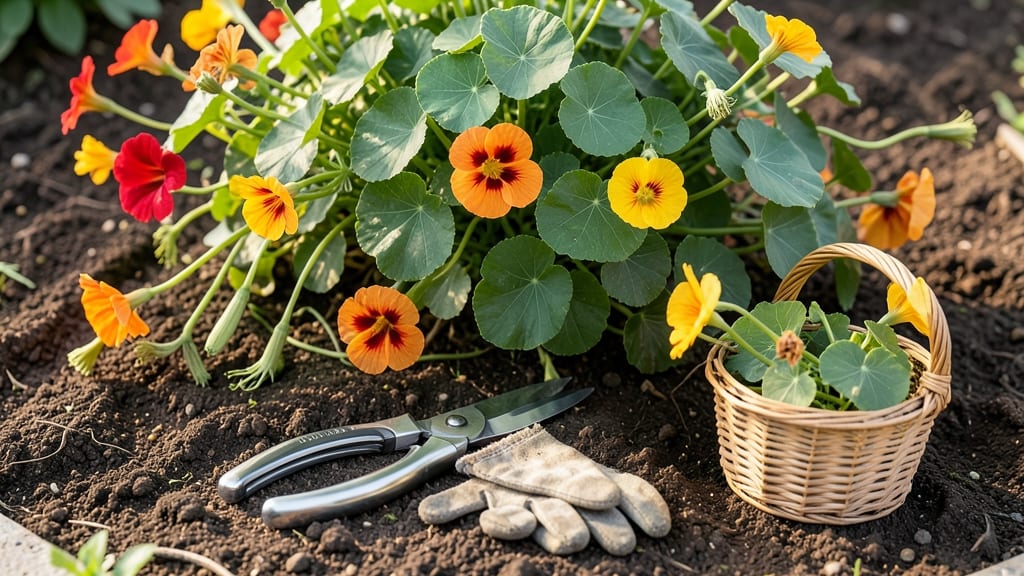
To harvest nasturtium 🌸 at their peak—whether for flavor, flowers, or seeds—requires a light touch and the right timing.
Picture this: you’re about to pluck a vibrant blossom, only to realize you’ve just cut off the next bloom’s potential. Nasturtiums are resilient, but harvesting the wrong way can turn your lush plants into leggy shadows.
The secret? A simple pinch-and-pull method that keeps your plants thriving while you enjoy their bounty.
From knowing when to snip those edible leaves to handling seed pods without sacrificing future blooms, this guide covers every step. You’ll learn how to extend your harvest season, avoid common mistakes that stifle growth, and even encourage your nasturtiums to rebound stronger after each pick.
Ready to turn your garden into a continuous harvest? Let’s dive into the techniques that’ll keep your nasturtiums flourishing—and your kitchen stocked—all season long.

When and how to harvest nasturtium flowers for edible use
Harvesting nasturtium flowers at the right time ensures peak flavor and vibrant color for culinary use while keeping your plants productive. The best window is when blooms are fully open but still fresh—typically between late morning and early afternoon on sunny days.
This timing preserves their delicate peppery taste and bright hues, perfect for salads or garnishes.
Look for fully unfurled petals with no green centers remaining. The edges should be crisp, not wilted, and the stems firm to the touch. Harvesting at this stage guarantees the most potent flavor profile while allowing your plants to continue producing new blooms for an extended season.
Nasturtiums thrive when you follow a pinch-and-pull method rather than cutting stems with scissors. This technique encourages bushier growth and prevents damaging the plant's delicate structure. Always harvest above a leaf node to stimulate new branching and more abundant flowering.
Step-by-Step Harvesting Guide
- Step 1: Wait until morning after dew dries (9-10 AM) for optimal freshness.
- Step 2: Use thumb and forefinger to gently pinch the stem just above a leaf.
- Step 3: Pull downward firmly to detach the bloom cleanly without tearing leaves.
- Step 4: Remove any wilted petals or damaged stems immediately post-harvest.
- Step 5: Store in paper towels in the fridge for up to 3 days or use immediately.
Seasonal timing matters too. In USDA Zone 6, begin harvesting in late June when plants reach 6 inches tall and continue through September before frost. Early morning harvests prevent wilting, while afternoon picking risks heat damage to delicate petals.
For culinary use, prioritize orange or red flowers—they pack the most flavor. Yellow varieties are milder but still edible. Always harvest leaves alongside flowers to balance your plant's energy and prevent overgrowth on one part. Leaves should be dark green and fully mature for best taste.
Never harvest more than 1/3 of blooms from a single plant at once. This rule prevents stressing your nasturtiums and ensures continuous production. If you notice fewer new buds after harvesting, reduce frequency or switch to leaf-only harvesting for a few weeks to recover.
Pro tip: Harvest seed pods when they turn brown and papery—this signals maturity. Dry them completely before saving seeds for next season. Always leave a few pods on the plant to ensure pollination and future blooms.
After harvesting, rinse flowers gently in cool water and pat dry with a paper towel. Store them in an airtight container lined with a damp paper towel to maintain freshness. For long-term storage, dry flowers completely before freezing or using in dried arrangements.
Remember, regular harvesting encourages more blooms and healthier plants. With proper technique, your nasturtiums will reward you with continuous color and flavor throughout the growing season.
Pinch-and-pull method: extending nasturtium blooms for longer seasons
Nasturtiums reward careful gardeners with longer blooming seasons when you use the right pruning techniques. The pinch-and-pull method isn’t just about cutting—it’s about encouraging bushier growth and redirecting energy to produce more flowers.
I’ve found that this simple technique can extend your nasturtium’s flowering period by 4-6 weeks when done consistently.
This method works by removing spent blooms and encouraging side shoots to develop. For trailing varieties like 'Alaska' or 'Black Velvet,' you’ll focus on pinching back leggy stems, while bush types like 'Empress of India' benefit from pulling off older flowers to stimulate new growth.
The key is timing—too aggressive, and you’ll stunt growth; too little, and your plant will focus on seed production instead of blooms.
🌿 Pro Tip for Harvesting Nasturtiums
When harvesting flowers for edible use, always use clean, sharp scissors or pinch just above a leaf node. For leaves, harvest from the outer growth first to avoid shocking the plant. Never remove more than 1/3 of the plant's foliage at once to maintain its vigor.
💡 Why it matters: This preserves the plant’s energy for continuous blooming while keeping it healthy.
The best time to pinch and pull is in the early morning when the plant is hydrated and temperatures are cooler. Start with weekly pinching of spent blooms once flowers begin opening, then transition to bi-weekly maintenance as the season progresses.
For trailing varieties, focus on pinching back the longest stems to encourage branching—this creates a fuller, more abundant plant.
You’ll need just a few tools: sharp pruning shears for larger stems, your fingers for pinching, and a small bucket for collecting spent blooms. I keep a pair of bypass pruners handy for any thicker stems that need trimming.
Always sterilize your tools with rubbing alcohol between plants to prevent disease spread—this is especially important if you’re growing nasturtiums near other edible plants.
For bush-type nasturtiums, the pinch-and-pull method takes a slightly different approach. Instead of focusing on stem length, prioritize removing older flowers first. This signals the plant to produce new blooms lower on the stem.
I’ve seen 'Lady Bird' varieties respond beautifully to this method, producing continuous blooms from late spring through early fall with minimal effort.
One common mistake I see is over-pruning. While it might seem like more cutting equals more growth, too much pruning at once can shock the plant and reduce flowering. Stick to removing only 10-15% of the plant’s foliage in each session.
Also, avoid pruning during hot afternoons—the stress can make plants more susceptible to pests like aphids or spider mites.
With consistent care, your nasturtiums will reward you with vibrant blooms well into autumn. The pinch-and-pull method isn’t just about extending the flowering season—it’s about creating a healthier, more productive plant that continues to thrive.
Try it this season and watch your nasturtiums transform from occasional bloomers to season-long stars of your garden. 🌸