
How To
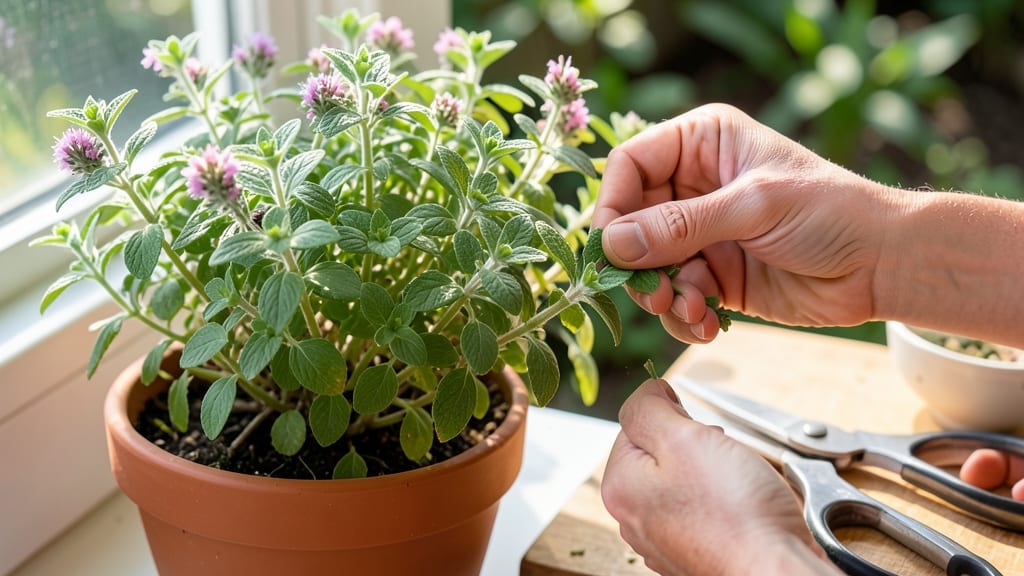
Harvesting oregano at the right time means snapping stems that release their rich, earthy aroma—the secret to bold flavor in every dish you cook.
Fresh oregano isn’t just a kitchen staple—it’s a flavor powerhouse that peaks when harvested correctly, and knowing the right time and technique can transform your garden’s bounty into culinary magic.
If you’ve ever plucked oregano too early and ended up with weak, bitter leaves or waited too long and missed the prime taste, you’re not alone. The key is timing: before flowering, when stems snap cleanly, and leaves are fully developed.
In this guide, I’ll walk you through the exact steps to harvest oregano for maximum flavor, how to prune for regrowth, and the best ways to store it so you can enjoy that garden-fresh taste all year.

When to harvest oregano for maximum flavor and growth
Timing your oregano harvest is everything—cut too early, and you’ll get weak, underdeveloped leaves. Wait too long, and the flavor shifts bitter as the plant flowers.
The best time to harvest is when your oregano plant is 6 to 12 inches tall and the stems snap cleanly between your fingers, signaling mature yet flexible growth.
This window typically falls between late spring and early fall, aligning with your plant’s peak growth phase. In my zone 6a, I start harvesting in June and continue through September, avoiding the first frost that signals dormancy.
The key is consistency—harvesting every 4 to 6 weeks encourages bushier growth and prevents woody stems.
Here’s the golden rule: never harvest flowering oregano. Once buds appear, the plant redirects energy to seed production, and the leaves lose their signature earthy, peppery flavor. The earlier you harvest, the more vibrant the taste—so aim for morning harvests when essential oils are at their peak concentration.
- 1. Plant Height: Harvest when stems reach 6-12 inches—this ensures fully developed leaves.
- 2. Stem Test: Pinch a stem—if it snaps cleanly (not bends), it’s ready for harvest.
- 3. Avoid Flowers: Stop harvesting 2-3 weeks before buds appear to preserve flavor.
- 4. Morning Harvest: Pick leaves in the morning (8-10 AM) for the strongest aroma.
- 5. Prune Strategically: Cut 1/3 of the plant at a time, leaving lower leaves intact for regrowth.
- 6. Seasonal Timing: In USDA Zone 6a, harvest from June to September for optimal flavor.
Seasonal shifts matter—spring harvests yield tender, bright-flavored leaves, while late-summer cuts deliver a deeper, more robust taste. I’ve noticed that oregano harvested in July has the most complex flavor, likely due to the longer daylight hours boosting essential oil production.
Always prioritize healthy plant balance: never remove more than 1/3 of the plant in a single harvest to avoid stress.
Over-harvesting weakens your oregano, leaving it vulnerable to pests and disease. I once pruned my plant too aggressively in August, and by September, it was struggling to recover. Since then, I’ve adopted a rotational harvesting approach, focusing on different stems each time to maintain even growth.
This method also prevents the plant from becoming woody and unproductive.
If you’re growing oregano in containers, harvest even more carefully—root space is limited, and aggressive pruning can stunt growth. In my 12-inch pots, I limit harvests to every 6 weeks and avoid cutting back more than 2 inches at a time.
Container-grown oregano also benefits from regular fertilization (every 4-6 weeks) to compensate for the smaller soil volume.
For organic gardeners, timing your harvest aligns with the plant’s natural rhythm. Oregano is a perennial in warm climates, meaning it regrows yearly if protected from frost.
In colder zones like mine, I treat it as an annual and harvest until the first frost, then replace it the following spring. This cycle ensures I always have fresh, flavorful oregano ready for cooking.
One common mistake is harvesting oregano after it’s been stressed by drought or heatwaves. When plants are thirsty, their essential oils concentrate, leading to a harsher, more bitter taste.
Always water your oregano deeply the day before harvesting to restore its natural sweetness. I’ve found that a morning watering followed by a morning harvest yields the best results.
Finally, pay attention to your oregano’s growth signals. If new shoots appear quickly after pruning, you’re on the right track. If growth slows or leaves turn yellow, you’re likely over-harvesting.
Balancing yield with plant health is the secret to consistent, flavorful harvests year after year. With the right timing, your oregano will reward you with bold, aromatic leaves every season.
Step-by-step oregano harvesting techniques for clean cuts
Harvesting oregano the right way ensures you get the boldest flavor while keeping your plant healthy and productive. The key is using the right tools and techniques to make clean cuts that encourage more growth.
Whether you're using sharp pruning shears or your hands, the method matters just as much as the timing.
I’ve found that hand-snapping is my preferred method because it’s quick and lets you feel the plant’s readiness. But if you’re harvesting larger quantities, bypass pruners are a game-changer. Both methods work, but the goal is always the same: clean cuts that heal quickly and stimulate new growth.
Before you start, gather your tools: clean, sharp pruners or just your hands, a small basket or container for the harvest, and a pair of gloves if your oregano is particularly thorny.
Work in the morning after dew dries—this is when the oils in the leaves are at their peak, ensuring the strongest flavor.
After harvesting, your oregano will likely bounce back quickly if you’ve followed the right techniques. I’ve seen plants regrow new shoots within 2-3 weeks when pruned correctly. The key is consistency—harvest every 4-6 weeks during the growing season to keep your plant lush and flavorful.
If you notice your oregano slowing down after harvests, it might need a light fertilizer or more sunlight. Oregano is hardy, but even tough plants benefit from a little extra care.
A balanced 10-10-10 fertilizer applied in early summer can give it the boost it needs for another round of harvests.
With these techniques, you’ll always have a steady supply of fresh, aromatic oregano ready for cooking. Plus, your plant will stay compact and bushy instead of leggy and sparse. Happy harvesting! 🌿✂️