
How To
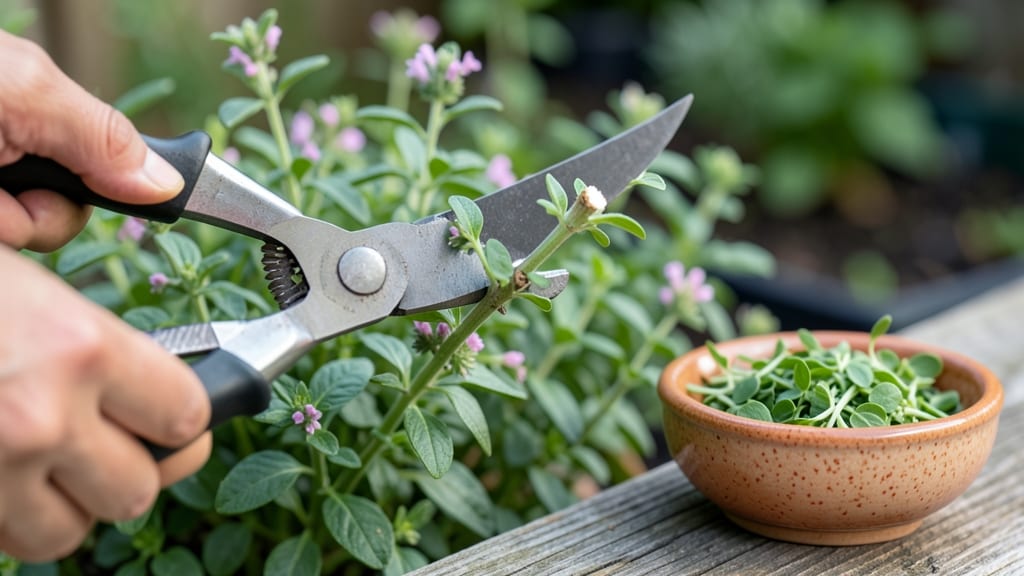
To harvest oregano so it keeps growing, focus on cutting stems just above a leaf node while avoiding over-pruning—this simple technique keeps your 🌿 thriving for years.
Struggling to keep your oregano thriving after harvest? Over-pruning or harvesting at the wrong time can stunt growth—or even kill your plant—but these simple techniques will help you harvest fresh oregano without sacrificing future yields.
Oregano grows best when you prune it regularly, especially during its peak season from June to September. The key is to never cut more than one-third of the plant at once, and always leave enough foliage to keep photosynthesis going.
In this guide, I’ll walk you through the best harvesting methods, seasonal timing, and common mistakes to avoid—so you can enjoy a bushier, healthier oregano plant year after year.

Best harvesting techniques to encourage oregano regrowth
Harvesting your oregano correctly is the secret to keeping it lush and productive year after year. Unlike annual herbs, oregano is a perennial that rewards patience—when you prune the right way, you’ll encourage bushier growth and thicker foliage.
The key lies in timing, technique, and knowing which stems to prioritize. Let’s dive into the step-by-step methods that will transform your oregano from a struggling plant into a flavor-packed powerhouse.
Many gardeners make the mistake of cutting too much at once or harvesting at the wrong time of year, which can weaken the plant or even kill it. Oregano thrives on regular, strategic pruning, not aggressive harvesting.
By following these techniques, you’ll maintain a healthy, productive plant that keeps giving you fresh leaves for cooking, teas, or garnishes without sacrificing its future growth.
Before you grab your pruning shears, remember: oregano’s growth cycle is tied to seasons. Spring and summer are prime times for harvesting, while fall and winter demand a gentler touch.
The goal is to stimulate new growth while avoiding stress on the plant. Let’s start with the foundational steps to harvest oregano so it keeps growing strong.
Step-by-Step Guide to Harvesting Oregano for Regrowth
-
Step 1: Choose the Right Time
Harvest oregano in the morning after dew has dried (6-9 AM). This ensures the leaves are hydrated and flavorful. Avoid harvesting after rain or in the late afternoon, as moisture can promote fungal diseases. -
Step 2: Identify Mature Stems
Look for woody stems with fully developed leaves. These are ideal for harvesting because they’ve already contributed to the plant’s energy reserves. Avoid cutting stems that are too soft or green—these are still growing. -
Step 3: Use Clean, Sharp Pruners
Sanitize your pruning shears with rubbing alcohol to prevent spreading disease. Cut stems at a 45-degree angle, about 1/4 inch above a leaf node (the point where leaves or branches grow out). This encourages new shoots to sprout from that node. -
Step 4: Never Cut More Than 1/3 of the Plant
Remove only outer stems and never trim more than one-third of the plant at a time. This rule protects the plant’s energy stores and ensures it can recover quickly. Focus on the longest, most mature stems first. -
Step 5: Prune for Shape and Airflow
Trim stems to encourage a bushier shape by cutting back uneven growth. This also improves air circulation, reducing the risk of fungal infections like powdery mildew. Aim for a rounded, full appearance rather than a flat-topped look. -
Step 6: Harvest Before Flowering
Oregano’s flavor peaks before it flowers. If you notice buds forming, prune them off immediately to redirect the plant’s energy into leaf growth. Flowering also signals the plant to slow its vegetative growth, which can reduce your future harvests. -
Step 7: Seasonal Adjustments
Spring/Summer: Harvest every 4-6 weeks to encourage dense growth.
Fall: Reduce harvesting to once a month as the plant prepares for dormancy.
Winter: Avoid harvesting entirely—let the plant rest. -
Step 8: Post-Harvest Care
After harvesting, water the plant deeply and apply a light layer of compost around the base. This replenishes nutrients and supports regrowth. Avoid fertilizing immediately after pruning, as it can stress the plant.
One of the biggest mistakes gardeners make is cutting too close to the base of the plant. Oregano has a woody crown that stores energy, and trimming it too short can damage the plant’s ability to regrow.
Always leave at least 2-3 inches of stem above the base to protect the crown and encourage new shoots to emerge from lower nodes.
If your oregano starts looking leggy or sparse, it’s a sign you’ve been harvesting too aggressively. To revive it, reduce harvesting for a month and focus on watering and fertilizing to stimulate new growth. In just a few weeks, you’ll see fresh, vibrant stems emerging from the base.
For container-grown oregano, follow the same rules but be extra mindful of space. Since pots have limited room, avoid cutting more than 10-15% of the plant at a time. This ensures the roots aren’t overburdened as they work to support regrowth in a confined area.
Pro tip: Use the harvested stems immediately or dry them for later use. Hanging bundles upside down in a dark, well-ventilated area preserves their flavor and aroma. If you’re drying oregano at home, remove the leaves from the stems once fully dried for easy storage in jars.
By mastering these harvesting techniques, your oregano will reward you with abundant, flavorful leaves for years to come. The key is balance—harvest enough to enjoy fresh herbs, but never so much that you compromise the plant’s ability to thrive.
With patience and the right approach, your oregano will become the star of your herb garden! 🌿✂️
How often to harvest oregano for continuous growth
Harvesting oregano at the right time ensures your plant stays lush and productive for years. Unlike annuals, oregano is a perennial herb that thrives when you follow a seasonal harvest schedule. The key is balancing harvest frequency with the plant's ability to recover, especially during peak growing months.
In spring and early summer, your oregano is actively growing and can handle more frequent harvests. However, as temperatures rise in mid-summer, the plant may need extra time to recover.
By fall, reduce harvesting to let the plant store energy for winter survival. Understanding these seasonal shifts prevents over-harvesting and keeps your oregano bushy and flavorful.
- Spring (March-May): Harvest every 3-4 weeks as new growth appears. Avoid cutting more than 1/3 of the plant at once to encourage bushiness.
- Summer (June-August): Increase frequency to every 2-3 weeks but only after new growth reaches 4-6 inches. Water deeply post-harvest to support recovery.
- Fall (September-November): Reduce to every 4-6 weeks or stop entirely after first frost. Let the plant focus on root development.
- Winter (December-February): No harvesting—oregano is dormant. Prune dead stems in early spring to prep for new growth.
🌿 Pro Tip: Always harvest in the morning after dew dries for the freshest flavor.
Watch for visual cues that your oregano needs pruning. If stems are woody and leggy or leaves appear sparse, it's time to trim. Cut just above a leaf node (where leaves meet the stem) to encourage new branches. This simple technique keeps your oregano compact and productive.
Over-harvesting in summer heat can stress your plant, leading to stunted growth. If you notice yellowing leaves or slow regrowth, cut back on harvesting and increase watering frequency. Oregano is drought-tolerant but still needs consistent moisture during hot spells.
To maximize yield, prune regularly throughout the growing season. This not only encourages more branches but also improves air circulation, reducing the risk of fungal diseases. A well-maintained oregano plant can produce year-round harvests with minimal effort.
Remember, patience is key. If you harvest too aggressively, your oregano may struggle to recover. By following these seasonal guidelines, you'll enjoy a bountiful, aromatic harvest for seasons to come. Happy gardening! ✂️🌱