
How To
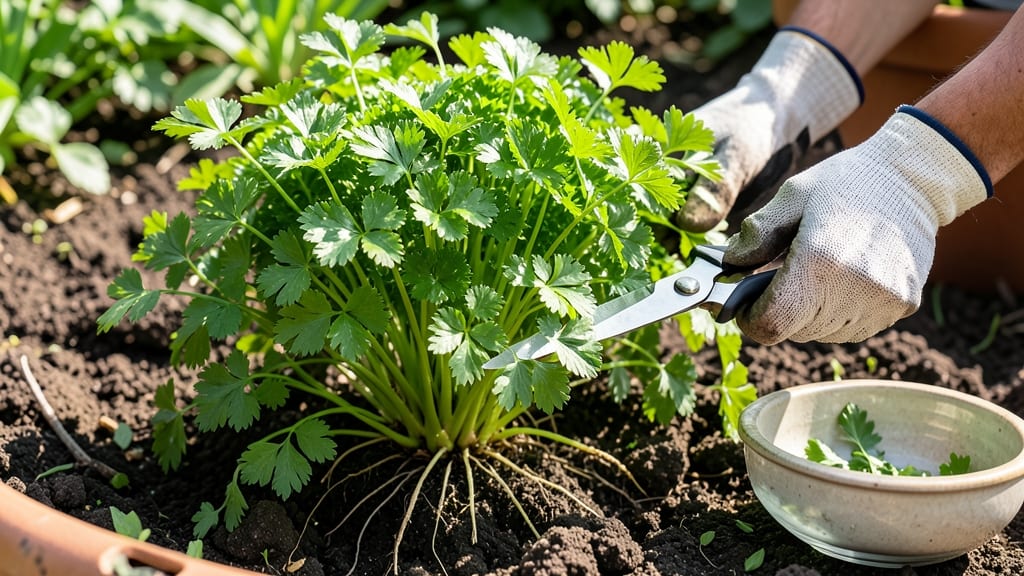
Harvesting parsley the right way ensures it keeps growing 🌿—and the secret isn’t just timing, but the how.
Struggling to keep your parsley thriving after harvesting? The key to a perpetual parsley harvest lies in the how—not just the when. Master these techniques to enjoy fresh, bushy parsley all season long without sacrificing growth.
Most gardeners snip leaves randomly, but that’s the fastest way to stunt regrowth. Instead, focus on cutting just 1/3 of the plant at a time, always leaving the center intact. This simple trick keeps your parsley lush and productive for months.
Below, I’ll walk you through the exact cutting methods, the best times to harvest, and post-harvest care tips to keep your parsley thriving—so you can enjoy a steady supply of fresh herbs all season.

When and how to harvest parsley for continuous regrowth
Harvesting parsley correctly is the secret to a thriving herb garden. Unlike many herbs, parsley actively regrows when harvested properly—so timing and technique matter. The best time to harvest parsley is in the early morning after the dew has dried but before the sun intensifies.
This ensures your leaves stay crisp and your plant isn't stressed by heat.
Always harvest parsley using clean, sharp scissors or pruning shears. Dull tools crush stems and invite disease. Focus on the outer leaves first, leaving the center growth intact.
This method encourages new leaves to fill in while protecting the plant’s energy reserve. Avoid cutting more than one-third of the plant at once to prevent stunting.
Step-by-Step Parsley Harvesting Guide
- 🌱 Choose the Right Time: Harvest in early morning (6-9 AM) when leaves are hydrated and crisp.
- 🌿 Identify Mature Leaves: Look for dark green, 4-6" leaves with firm stems (avoid woody or yellowing leaves).
- ✂️ Use Proper Tools: Snip with sterilized scissors at a 45-degree angle, 1/4" above a leaf node.
- 🌿 Prioritize Outer Leaves: Cut 3-4 outer leaves per harvest, leaving the center growth point untouched.
- 💧 Water Immediately After: Give the plant 1 cup of water to replenish moisture lost during harvesting.
- ☀️ Avoid Midday Harvests: Never cut parsley in hot afternoon sun (after 12 PM) to prevent wilting.
Pro Tip: Label your parsley plants if growing multiple varieties (e.g., curly vs. flat-leaf) to track harvest cycles.
Seasonal timing also plays a role in parsley regrowth. In spring and early summer, parsley grows aggressively, so you can harvest every 2-3 weeks. However, as temperatures rise, growth slows—reduce harvesting to every 4-6 weeks in late summer to avoid stressing the plant.
Always stop harvesting 4-6 weeks before the first frost to let the plant store energy for next season.
One common mistake is cutting the main stem or harvesting too close to the base. Parsley regrows from its leaf nodes, so always leave at least 2-3 inches of stem attached to the plant.
If you accidentally cut too far down, don’t panic—parsley is resilient. Simply trim back any damaged growth and focus on nurturing the remaining healthy stems.
To maximize regrowth, pair harvesting with post-harvest care. After each trim, add a light layer of compost around the base and water deeply. This replenishes nutrients and encourages bushier growth. Avoid over-fertilizing immediately after harvesting, as excess nitrogen can lead to leafy but weak regrowth.
Visual cues are your best friend when harvesting parsley. Mature leaves are dark green, glossy, and firm to the touch, while new growth appears lighter green and slightly softer. Always prioritize harvesting from the outer edges of the plant—this mimics natural pruning and encourages the center to thicken over time.
If your parsley starts looking sparse or leggy after harvesting, it’s a sign you’re cutting too aggressively. Adjust your approach by harvesting only the largest leaves and allowing smaller leaves to mature. Over time, your parsley will develop a fuller, bushier habit with consistent care.
For container-grown parsley, follow the same rules but be extra mindful of space. Since pots limit root growth, harvest no more than 2-3 leaves per plant every 3-4 weeks. Use a well-draining potting mix enriched with compost to support regrowth in confined spaces.
With these techniques, your parsley will reward you with continuous harvests all season long. The key is balance—harvest wisely, care for the plant after each trim, and enjoy fresh parsley straight from your garden until the first frost! 🌿
Parsley regrowth mistakes that kill your plant (and how to Fix them)
Even with the right harvesting techniques, parsley can quickly decline if you make these common regrowth mistakes. The biggest culprit? Cutting too aggressively or at the wrong spots, which starves your plant of energy.
I’ve seen gardeners accidentally kill their parsley by removing more than 1/3 of the foliage in a single session—this shocks the plant and halts regrowth for weeks.
Another silent killer is ignoring soil health after harvesting. Parsley depletes nutrients quickly, and without replenishment, the plant weakens. Even worse, cutting at the wrong leaf nodes—like severing the main stem—can be fatal. Unlike many herbs, parsley regrows from its side stems and leaf axils, not the central crown.
⚠️ IRREVERSIBLE DAMAGE TRIGGERS
Cutting the central crown or removing more than 50% of leaves at once can kill parsley permanently. These actions destroy the plant’s growth engine, leaving no energy reserve for recovery.
🌱 Fix: If you’ve already cut too far, trim back any damaged stems immediately and focus on nurturing the remaining healthy growth with compost tea and reduced harvesting frequency.
Over-harvesting in hot afternoons is another mistake that stresses parsley. The plant loses moisture quickly, and the shock can lead to wilting or yellowing leaves. Always harvest in the early morning when leaves are hydrated and crisp.
If you must harvest later in the day, do it in the shade and water thoroughly afterward.
Neglecting post-harvest care is the final nail in the coffin for many parsley plants. After each trim, I recommend adding a 1-inch layer of compost around the base and watering deeply.
This replenishes nutrients and encourages new growth. Skipping this step leaves your parsley nutrient-depleted, leading to slow regrowth or even death in extreme cases.
If your parsley starts looking leggy or sparse after harvesting, it’s a sign you’re cutting too close to the base. Always leave at least 2-3 inches of stem attached to each harvested leaf.
This ensures the plant retains its energy reserves and can produce new growth from the remaining leaf nodes.
For container-grown parsley, the stakes are even higher. Limited root space means the plant has fewer reserves to recover from mistakes. In pots, reduce harvesting to every 4-6 weeks and use a well-draining potting mix with added compost. This helps maintain moisture and nutrients, even in confined spaces.
By avoiding these mistakes, your parsley will stay lush and productive for years. The key is balance—harvest wisely, care for the plant after each trim, and watch it thrive! 🌿