
How To
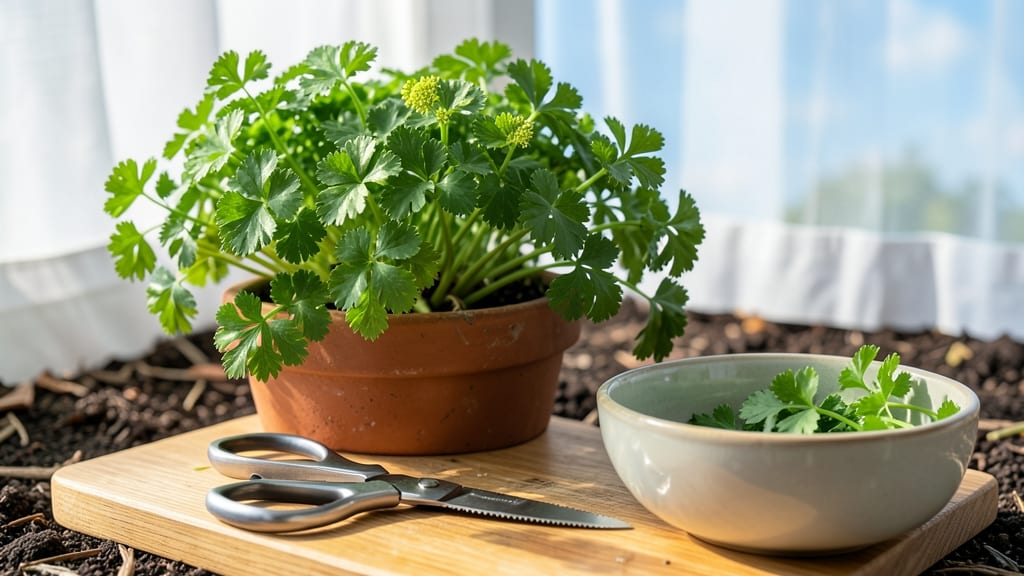
To harvest parsley at its peak flavor and keep your 🌿 thriving for months, focus on timing and technique—cutting too early or too late can ruin both the taste and regrowth.
Fresh parsley isn’t just a garnish—it’s a flavor powerhouse, and knowing how to harvest it properly ensures your kitchen stays stocked while keeping your plants thriving for months. Whether you’re growing curly or flat-leaf parsley, timing and technique make all the difference in maximizing yield without sacrificing regrowth.
Most gardeners wait until the plant reaches 6-12 inches tall and has fully unfurled leaves, but harvesting too close to the base or during flowering can stunt future growth.
Below, I’ll walk you through the best methods to snip stems, encourage bushier regrowth, and even troubleshoot common mistakes that leave your parsley looking sad.
You’ll also learn how to store your harvest for freshness and which seasons offer the best flavor—plus, a few pro tips to keep your parsley producing well beyond its first harvest. Ready to turn your herb garden into a year-round supply?

When and how to harvest parsley for maximum flavor and regrowth
Harvesting parsley at the right time ensures the best flavor and encourages your plants to keep producing lush, vibrant leaves. For flat-leaf and curly parsley, timing matters—wait until plants reach 6-12 inches tall with at least 6-8 fully developed leaves.
This usually happens 75-90 days after sowing, depending on your climate. Early harvests can stunt growth, while waiting too long risks bolting (flowering), which turns leaves bitter.
Spring and fall offer the best harvest windows for outdoor parsley. In spring, start harvesting once soil warms to 50°F+ and plants show new growth after the last frost. In fall, continue harvesting until temperatures drop below 40°F, as cold stress can damage the plant.
In mild climates, parsley can produce year-round, but flavor peaks during cooler months. Always harvest on a dry morning to prevent fungal issues and preserve crispness.
| Harvest Stage | Plant Height | Leaf Size | Best Time to Cut | Regrowth Tip |
|---|---|---|---|---|
| Early Growth | 4-6 inches | Small, sparse | Avoid harvesting | Focus on watering and sunlight |
| Ideal Harvest | 6-12 inches | Fully unfurled, vibrant | Morning, dry conditions | Cut outer stems, leave inner growth |
| Late Season | 12+ inches | Large, may show flower buds | Before bolting begins | Reduce harvest frequency |
To harvest parsley, use a sharp pair of pruning shears or clean scissors to cut stems 2-3 inches above the base. This encourages bushier regrowth by stimulating new side shoots. Avoid pulling leaves by hand, as this can damage the plant.
For a continuous harvest, cut outer stems first, leaving the inner leaves to keep photosynthesizing. Never remove more than one-third of the plant at once, or you risk weakening it.
Flat-leaf parsley tends to regrow faster than curly parsley, so you can harvest it more aggressively. For curly parsley, be gentler to avoid stressing the plant.
If your parsley starts to bolt (send up flower stalks), immediately harvest the remaining leaves and compost the plant to prevent seed production, which can lead to bitterness. Bolting is more common in hot climates or when plants experience temperature fluctuations.
Seasonal variations affect harvest timing. In cooler climates (USDA zones 3-5), focus on spring and fall harvests, as summer heat can stress parsley. In mild climates (zones 6-10), you can harvest year-round, though flavor may be milder in winter.
Always monitor soil moisture—drought stress or overwatering can reduce flavor and yield. Mulch around the base to retain moisture and protect roots from temperature swings.
Store freshly harvested parsley by wrapping stems in a damp paper towel and placing them in a plastic bag in the refrigerator. This keeps it fresh for up to 2 weeks.
For long-term storage, freeze parsley in ice cube trays with water or chop and blend with olive oil before freezing. Proper storage preserves flavor, so avoid washing until right before use. If you notice yellowing leaves or stunted growth after harvest, your plant may need fertilizer or better drainage.
One common mistake is cutting parsley too close to the base, which can expose the crown to rot or pests. Always leave 2-3 inches of stem to protect the growing point. Another pitfall is harvesting in the afternoon, when leaves are more prone to wilting.
Stick to early morning harvests for the crispest, most flavorful leaves. If your parsley grows leggy or sparse, it may need more sunlight or a light fertilizer application.
Encourage regrowth by maintaining consistent watering and soil health. Parsley thrives in rich, well-draining soil with a pH of 6.0-7.0. Add compost or aged manure at planting and side-dress with balanced fertilizer (5-10-5) every 4-6 weeks during the growing season.
Avoid heavy-handed fertilizing, as parsley prefers moderate nutrients over excessive feeding, which can lead to leafy but flavorless growth.
With the right harvest techniques, your parsley can produce for months, providing fresh flavor for soups, salads, and garnishes. Start small by harvesting a few stems, then gradually increase as the plant matures.
Remember, patience and precision are key—rushing the harvest or cutting too aggressively will shorten your parsley’s lifespan. Happy
Parsley pruning tricks to extend harvest season and boost plant health
Pruning parsley isn’t just about harvesting—it’s about revitalizing your plant for longer, bushier growth. When done correctly, strategic cuts can prevent bolting (when parsley flowers prematurely) and keep your herb garden productive for months.
I’ve found that regular pruning every 4-6 weeks triggers new leaf growth, while avoiding over-harvesting keeps your parsley lush and flavorful.
Start by using clean, sharp scissors to snip stems 2-3 inches above the soil line. This encourages side shoots to sprout, creating a fuller plant.
For curly parsley, focus on the outer stems first—they’re the oldest and largest, making them ideal for harvest. Flat-leaf parsley responds well to selective pruning, where you trim individual stems rather than cutting entire bunches.
⚠️ WARNING: Over-Harvesting Kills Your Parsley! ⚠️
- Cutting too close to the base—always leave 2-3 inches of stem to prevent root damage.
- Harvesting more than 1/3 of the plant at once—this stresses parsley and slows regrowth.
- Ignoring leggy stems—if your parsley stretches tall and sparse, it’s begging for a hard prune to reset growth.
To revive leggy parsley, give it a hard prune: cut every stem back to 4-6 inches tall. This might look drastic, but within 2-3 weeks, you’ll see dense, new foliage emerge.
Pair this with morning sunlight and consistent watering (about 1 cup every 3-5 days) to speed up recovery. Flat-leaf parsley often handles hard pruning better than curly varieties, which can be more delicate.
Frequency matters too! I prune my parsley every 4-6 weeks during the growing season (spring to fall). In winter, reduce pruning to once every 8-10 weeks or pause entirely if your plant is dormant.
Always prune in the morning—this gives leaves time to dry before evening moisture sets in, reducing fungal risks. A light fertilizer (like a 5-10-5 balanced mix) after pruning can also boost regrowth.
Watch for visual cues that your pruning is working: new side shoots emerging from the base, vibrant green leaves, and a bushier shape.
If your parsley starts to bolt (sends up flower stalks), it’s a sign you’ve waited too long to prune. Snip those flower stalks immediately—they drain energy from leaf production. With the right pruning rhythm, you’ll enjoy year-round harvests from a single plant!
Don’t forget to store pruned stems properly—wrap them in a damp paper towel and refrigerate for up to 2 weeks, or freeze in ice cube trays for freshness on demand. Your kitchen—and your parsley—will thank you!