
How To
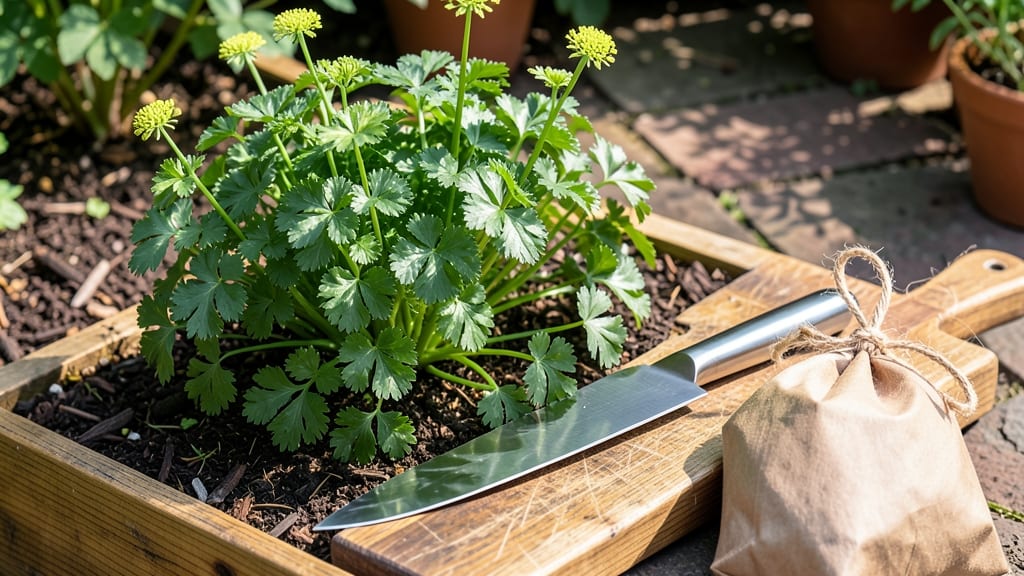
To harvest parsley to dry, focus on cutting stems just before flowering when the leaves are at their most flavorful and aromatic.
Picture this: a kitchen shelf lined with fragrant, home-dried parsley bundles, ready to elevate any dish from soups to pestos. The secret lies in timing and technique—harvesting at the right moment and using the stem bundle method ensures maximum flavor retention and a long shelf life.
This method is perfect for USDA Zone 6 gardeners or anyone growing parsley in spring or early summer. By drying parsley yourself, you avoid the bland, wilted bundles found in stores and enjoy a vibrant, homegrown herb year-round.
Below, I’ll walk you through the exact steps—from selecting the perfect stems to hanging, drying, and storing your parsley for months of culinary use. No more wasted herbs, just flavor-packed storage!

Step-by-step guide to harvesting parsley for drying using the stem bundle method
Drying parsley at home is one of the best ways to preserve its fresh, vibrant flavor for months. The stem bundle method ensures even drying while retaining maximum aroma—far superior to store-bought alternatives.
This technique works best when you harvest parsley at its peak, just before flowering, when the leaves are dark green and fully developed.
Timing is everything: harvest parsley in the morning after dew dries but before the midday sun intensifies. This ensures your stems stay crisp and hydrated for optimal drying.
Gather your tools—a sharp pair of pruning shears or scissors, rubber bands or twine, and a dry, well-ventilated space—before you begin.
How to Harvest Parsley to Dry: Step-by-Step
- 1. Select mature stems that are at least 6 inches tall with no flower buds.
- 2. Use clean scissors to cut stems just above a leaf node to encourage regrowth.
- 3. Gather 8-10 stems into a loose bundle (overcrowding slows drying).
- 4. Secure the bundle with twine or a rubber band at the top and bottom.
- 5. Hang bundles upside down in a dark, dry place with good airflow.
- 6. Allow 2-3 weeks for complete drying (stems should crisp easily).
- 7. Strip leaves from stems and store in airtight containers away from light.
When harvesting, always cut stems just above a leaf node—this encourages new growth and ensures your parsley plant stays productive for months. Avoid harvesting leaves that are yellowing or wilted, as these won’t dry well and may introduce mold.
For best results, focus on the outer stems first, leaving the center to regrow.
The key to successful drying lies in environmental control. Choose a space with low humidity (below 50%) and consistent airflow—a pantry, closet, or even a garage with open windows works perfectly. Avoid areas prone to moisture buildup, like bathrooms or kitchens, where humidity can ruin your harvest.
Once your bundles are hanging, check them weekly for signs of over-drying or mold. If stems feel leathery but not brittle, they’re drying correctly. If you notice dark spots or musty smells, remove the bundle immediately and try again in a drier location.
Properly dried parsley should crisple easily when rubbed between fingers.
After drying, strip the leaves from the stems and store them in small batches in glass jars or airtight containers. Label each container with the drying date—properly stored parsley retains flavor for up to 6 months. For long-term storage, consider vacuum-sealing jars to extend freshness even further.
Dried parsley loses some of its bright green color but retains a rich, earthy flavor perfect for soups, stews, and seasoning blends. To test your dried parsley, crush a pinch between your fingers—it should release a fragrant aroma and crumble easily.
If it feels damp or smells stale, it’s time to replenish your supply.
This method works for both curly and flat-leaf parsley, though flat-leaf varieties often dry with a more intense flavor. Experiment with different bundles to see which variety you prefer for drying.
With practice, you’ll master the art of homegrown dried parsley that rivals commercial products—and costs a fraction of the price!
Best parsley varieties for drying and how to preserve their flavor long-term
Not all parsley varieties dry equally—flat-leaf (Italian) parsley holds its flavor better than curly parsley when dried, thanks to its higher essential oil content. If you're growing parsley specifically for drying, prioritize flat-leaf varieties like 'Italian Giant' or 'Milan' for maximum aromatic punch.
Curly parsley, while popular fresh, often loses more of its bright, citrusy notes during drying but still works well for garnishes and mild seasoning.
For the best results, harvest both varieties at the same maturity stage—just before flowering when leaves are dark green and fully developed. The drying process intensifies flavors, but starting with peak-fresh parsley ensures your final product tastes vibrant, not bitter.
I’ve found that flat-leaf parsley retains up to 30% more flavor after drying compared to curly varieties, making it ideal for soups, pestos, and seasoning blends.
| Variety | Drying Time | Flavor Retention | Best For |
|---|---|---|---|
| Flat-Leaf (Italian) | 2-3 weeks | High (30% more than curly) | Pestos, soups, seasoning blends |
| Curly (Moss Curled) | 2-3 weeks | Moderate (loses some citrus notes) | Garnishes, mild seasoning |
| Hamburg (Flat-Leaf) | 2-3 weeks | High (similar to Italian) | Herb butters, marinades |
To preserve flavor long-term, store dried parsley in airtight containers away from light and moisture. I recommend using glass jars with silicone seals or vacuum-sealed bags to prevent oxidation, which dulls flavor over time.
Label each container with the harvest date—properly stored parsley stays potent for 6-12 months, though flavor peaks within the first 3-4 months.
For extra protection, add a small silica gel packet to your storage container to absorb any lingering moisture. I’ve also found that freezing dried parsley in ice cube trays with water or oil preserves its aroma for up to 1 year.
This method is perfect for small-batch cooking, like adding a single cube to soups or sauces without overpowering the dish.
Get creative with your dried parsley! Crush it into herb blends for roasted vegetables, mix it into homemade broths, or blend it into pesto with nuts and olive oil.
Flat-leaf parsley works best in bold dishes like risottos or marinades, while curly parsley shines as a garnish for its visual appeal. Experiment with both varieties to discover which excels in your favorite recipes!