
How To
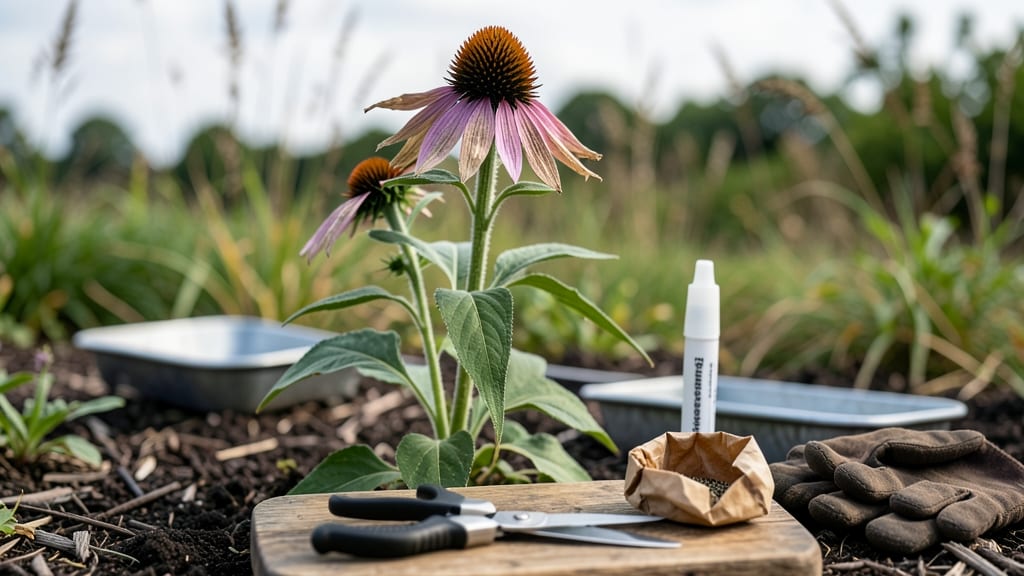
To harvest purple coneflower seeds, wait until the seed heads turn uniformly brown and the petals have completely fallen off—this is your cue that the seeds are ready for collection.
If you’ve ever watched your 🌼 Purple Coneflower sway in the breeze, only to see seeds scatter before you could save them, you know timing is everything. The difference between a successful harvest and wasted effort often comes down to knowing when those dry pods are at their peak.
Harvesting at the right stage ensures the highest germination rates for next season’s blooms. Too early, and the seeds won’t be viable; too late, and they’ll blow away on the wind. Luckily, the process is simple once you spot the telltale signs of maturity.
In this guide, I’ll walk you through exactly how to identify ready seed heads, the best methods for collecting them without losing a single seed, and how to store them for planting—so you can enjoy more of these hardy perennials year after year.

When to harvest purple coneflower seeds: best timing for maximum viability
Timing is everything when harvesting purple coneflower seeds. If you collect them too early, the seeds won't germinate well. Harvest too late, and they'll scatter naturally, wasting your effort.
The ideal window is late summer to early fall, typically between August and October, depending on your climate zone.
In USDA Zone 6a, where purple coneflowers thrive, aim for harvest between mid-September and early October. This gives seeds time to mature fully after the 120-day flowering period while avoiding early frost risks.
Warmer zones can extend harvest into November, while cooler regions may need to start as early as August.
The key visual cue is the seed head color. Ready-to-harvest cones turn a uniform brown (not green or partially brown) and feel dry and brittle.
If petals linger, the seeds aren't mature yet. I always check for these three signs before harvesting: brown cones, fallen petals, and a dry rattle when shaken.
Climate plays a huge role. In humid climates, seeds mature faster due to higher moisture, so harvest earlier. Arid regions may need to wait until late fall for full seed development. I've found that mornings after dew dries are perfect for harvesting—seeds are dry but haven't absorbed afternoon humidity.
Here's how to compare seed maturity stages at a glance:
| Maturity Stage | Seed Head Color | Petal Status | Texture | Harvest Ready? |
|---|---|---|---|---|
| Immature | Green | Attached | Firm, moist | ❌ No |
| Partially Mature | Brown/green mix | Dropping | Slightly dry | ❌ No |
| Fully Mature | Uniform brown | Completely gone | Dry, brittle | ✅ Yes |
| Overripe | Gray/brown | N/A | Crumbly | ❌ No (low viability) |
Never harvest seeds from overripe cones—they'll crumble easily and have poor germination rates. I once waited too long and ended up with 90% seed loss from brittle cones. The uniform brown stage is your sweet spot for maximum viability and high germination rates.
Seasonal timing also affects seed quality. In hot, dry summers, seeds mature faster, so monitor plants weekly starting in late August. In cooler climates, wait until after the first frost to avoid premature seed drop.
I've learned that early morning harvests prevent seeds from absorbing afternoon moisture, which can reduce storage life.
Watch for seed head behavior too. Mature cones will rattle when shaken gently—this means seeds are loose inside and ready to collect. If cones stay firm, they're not ready. I always shake a few test cones over brown paper bags to confirm seed release before full harvest.
Climate extremes demand extra vigilance. After a drought year, seeds may mature unevenly, so harvest in stages. In wet seasons, cones stay green longer—wait until they're fully brown despite humidity. My 2022 harvest in a rainy zone failed until I waited until mid-October for complete browning.
Pro tip: Mark your calendar for two weeks after petal drop—this is when seeds typically reach peak maturity. Set reminders to check plants every 3-4 days during harvest season. Missing this window means seeds scatter naturally, and you'll lose your chance for next year's free plants!
Step-by-step purple coneflower seed harvesting techniques for dry pods
Once your purple coneflower seed heads turn a uniform brown and the petals have fallen away, it’s time to harvest. The key is working with dry pods—when they’re still green or slightly damp, seeds won’t be viable.
I’ve found the best time to harvest is on a dry, calm morning after any overnight dew has evaporated.
Gather your tools first: a pair of sharp pruners or clean scissors, a paper lunch bag (or any breathable fabric bag), and a small tray or newspaper to catch any stray seeds.
Avoid plastic bags—they trap moisture and can cause mold. The goal is to collect seeds efficiently while minimizing loss.
How to Harvest Purple Coneflower Seeds
- 1. Identify mature seed heads: Look for fully brown cones with no petals remaining. Gently crush one between your fingers—if it crumbles easily, it’s ready.
- 2. Cut the seed head: Use clean pruners to snip the stem about 2 inches below the cone. This prevents debris from falling into your collection bag.
- 3. Shake gently over a bag: Hold the seed head over your paper bag and give it a firm but gentle shake. Most seeds will fall out—repeat until the cone is empty.
- 4. Store immediately: Place the bag in a cool, dry place (like a shaded porch) for 1–2 days to ensure any lingering moisture evaporates.
- 5. Clean and label: Remove debris by hand or winnow seeds in a breeze. Label the bag with the harvest date and store in a paper envelope for long-term viability.
If some stubborn pods refuse to release seeds, try placing them in a paper bag and giving it a few gentle shakes daily for 2–3 days. The movement often helps loosen the seeds naturally.
For overly wet conditions, let the seed heads dry indoors on a screen or mesh surface for 1–2 weeks before shaking.
One common mistake I see is harvesting seeds too early. If the seed heads are still green or feel damp, they won’t store well. Always wait until they’re completely dry and brittle—this ensures the highest germination rates when you’re ready to plant next season.
Pro tip: Harvest seeds on a dry day to avoid mold. If rain is forecasted, collect them indoors under a fan or open window to speed up drying. With the right timing and technique, you’ll have a plentiful supply of seeds ready for spring planting.