
How To
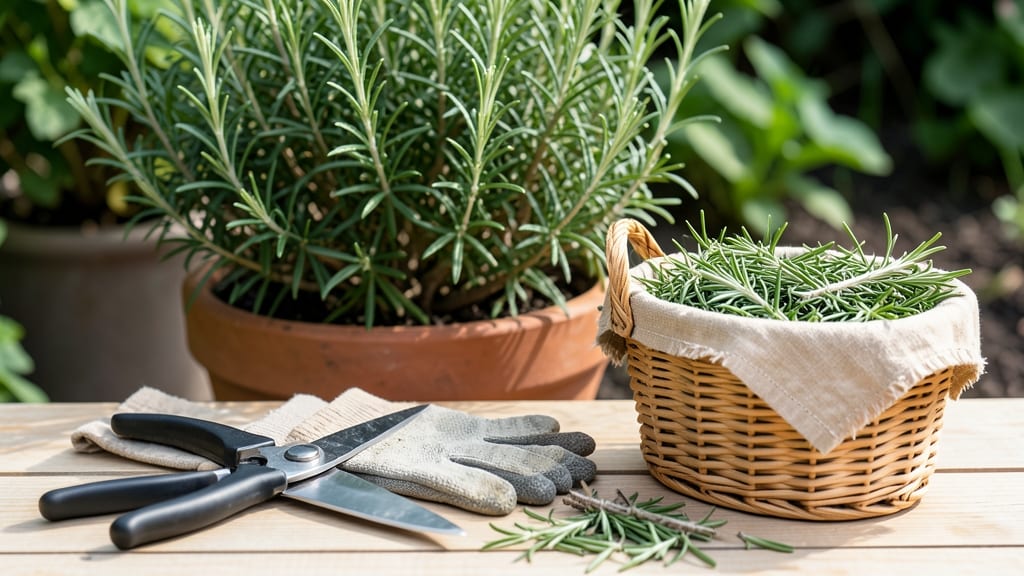
Harvesting rosemary at the right time ensures you get the most flavor and keep your 🌿 plant thriving—but timing matters more than you might think.
If you’ve ever plucked a sprig only to find the stems are already woody or the leaves curl at the tips, you’ve missed the sweet spot. That’s when rosemary loses its vibrant flavor and starts to harden, signaling it’s past its prime.
The key is knowing when to trim so you get fresh, aromatic sprigs without stressing the plant.
Whether you’re growing rosemary in USDA Zone 6a or a frost-free climate, the right technique makes all the difference. I’ll walk you through the best time of year to harvest, how much to trim, and what to do with your bounty—so your kitchen stays stocked with fragrant, homegrown goodness.
From pruning for regrowth to preserving your harvest, you’ll learn everything you need to keep your rosemary bushy, healthy, and ready for your next meal.

When to harvest rosemary: 3 key signs your plant is ready
Harvesting rosemary at the right time ensures maximum flavor and plant health. If you wait too long, your woody stems will dominate, while harvesting too early means mild, underdeveloped leaves.
The key is watching for three maturity cues that signal your rosemary is ready for the kitchen or garden.
First, check the stem hardness. Mature rosemary stems should feel firm and slightly woody—like a pencil—rather than bendy. This indicates the plant has allocated resources to structural growth, leaving the leaves packed with aromatic oils.
If stems snap easily, your rosemary is still young and needs more time.
Next, examine the leaf curl patterns. Ready-to-harvest rosemary leaves often show slight curling at the tips, a sign of full maturity. This isn't the same as drought stress—healthy rosemary leaves should still feel plump and vibrant, not crispy.
Crush a leaf between your fingers; if it releases a bold, pine-like scent, that’s your green light.
-
1. Woody Stems
Stems should be firm and thicker than a pencil. Use your thumb to press—if it doesn’t dent easily, it’s harvest-ready. -
2. Curling Leaf Tips
Look for gentle upward curls at leaf edges. Leaves should stay green and supple, not yellow or brittle. -
3. Strong Aroma
Crush a leaf—if it smells intensely piney, the essential oils are at peak concentration.
Age matters too. Young rosemary plants (under 6 months) should never be harvested heavily—they need all their energy to establish roots. Wait until your plant is at least 12–18 inches tall and has multiple sturdy stems.
If your rosemary is over 2 years old, focus on rejuvenating cuts to prevent stem woodiness.
Seasonal timing also plays a role. In frost-free zones (USDA 9b–10a), you can harvest year-round, but flavor peaks in spring and early summer when new growth is most aromatic. In cooler climates, wait until after the last frost (typically April–May) to ensure the plant isn’t stressed.
One common mistake is harvesting flower buds. While rosemary flowers are edible, they divert energy from leaf production. Snip off blooming stems early to encourage more foliage growth. Use clean, sharp pruning shears or scissors to make angled cuts just above a leaf node—this promotes bushier regrowth.
After harvesting, monitor your rosemary for signs of stress. If leaves yellow or drop within a week, you’ve likely over-pruned. To revive a struggling plant, reduce watering, ensure it gets full sun, and avoid fertilizing until new growth appears.
With proper care, even heavily harvested rosemary can bounce back in 4–6 weeks.
Pro tip: Harvest in the morning after dew has dried but before the midday heat sets in. This preserves oil potency and makes leaves easier to strip from stems.
Store fresh sprigs in the fridge for up to 10 days or dry them for long-term use—just tie bundles and hang upside down in a dark, dry place.
By mastering these three readiness signs, you’ll always know when to harvest rosemary for peak flavor without sacrificing your plant’s long-term health. Happy harvesting! 🌿✂️
Step-by-step rosemary harvesting techniques for maximum yield
Now that you’ve identified your rosemary is ready to harvest, let’s dive into the proper techniques to maximize yield while keeping your plant healthy. The right approach makes all the difference—whether you’re trimming for everyday cooking or reviving a leggy, overgrown bush.
Start by selecting the right tools: clean, sharp pruning shears or kitchen scissors work best. Avoid tearing leaves, as this damages the plant and reduces flavor.
Timing is everything. The best time to harvest is in the morning after dew has dried, ideally between 8–10 AM. This ensures the leaves are hydrated and aromatic. If you must harvest later in the day, do so before midday heat to prevent wilting.
For year-round harvesters in frost-free zones (like USDA 9b–10a), focus on spring and early summer for peak flavor, while cooler climates should wait until after the last frost.
-
Step 1: Choose the Right Sprigs
Select non-flowering stems with woody but flexible bases. Avoid stems with yellowing leaves or brown tips, as these indicate stress or disease. -
Step 2: Make Angled Cuts
Use clean shears to cut just above a leaf node at a 45-degree angle. This encourages bushier regrowth by promoting new shoots from the node. -
Step 3: Limit Harvest to 1/3 of the Plant
Never remove more than one-third of the foliage at once. Over-harvesting stresses the plant and leads to woody regrowth. -
Step 4: Revive Leggy Bushes
If your rosemary is tall and sparse, prune back one-third of the height in early spring. This forces new lateral growth and creates a fuller bush. -
Step 5: Strip and Store Leaves
Gently strip leaves from stems and store in the fridge for 10 days or dry them by hanging bundles upside down in a dark place for 2–3 weeks.
If your rosemary is over 2 years old, it may have developed thick, woody stems. Don’t despair—this is normal! Focus on rejuvenation pruning by cutting back one-third of the oldest stems in early spring.
This encourages new growth from the base and keeps your plant productive. Avoid fertilizing immediately after pruning; wait until you see new shoots appearing (usually in 4–6 weeks).
Seasonal adjustments are key. In summer months, rosemary grows more aggressively, so you can harvest more frequently. However, avoid cutting into new growth—always leave at least 2–3 inches of stem to support the plant.
In fall and winter, reduce harvesting to let the plant recover and store energy for the next growing season. If you’re in a frost-prone zone, harvest all remaining sprigs before the first frost to use indoors.
One final trick: If your rosemary has bare stems at the base, it’s time for a hard prune. Cut back the entire plant by half its height in early spring.
While this may look drastic, it triggers vigorous regrowth and can transform a woody, leggy plant into a lush, bushy specimen in just a few months. Pair this with well-draining soil and full sun, and your rosemary will bounce back stronger than ever.
With these techniques, you’ll harvest rosemary year after year without sacrificing plant health. Whether you’re trimming for daily use or reviving an overgrown bush, the key is balance—never take too much, and always encourage new growth. Happy harvesting! ✂️🌿