
How To
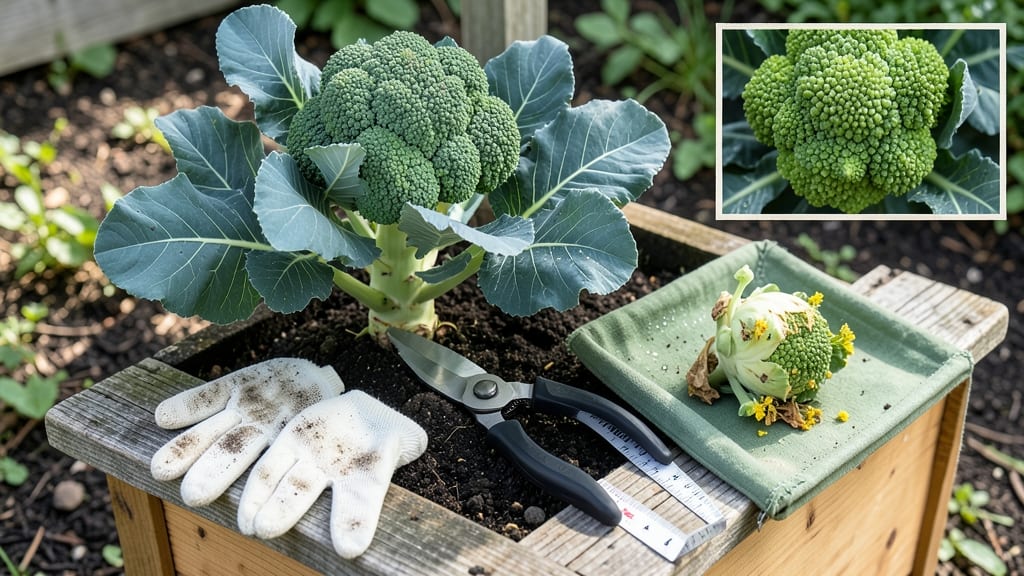
Knowing when to harvest broccoli 🥦 is all about timing—wait too long, and you lose flavor and texture, while picking too early means smaller yields.
Picking broccoli at the wrong time can mean the difference between a tender, flavorful harvest and a bitter, woody disappointment. The key is spotting the perfect moment when the head is firm, tightly packed, and a deep green color—before those telltale yellow flowers start to bloom.
This isn’t just about size, though. Temperature, plant age, and even the time of year play a role in determining when your broccoli is ready.
A cool spring might speed things up, while a hot summer can slow growth, so knowing the signs is your best tool for a great harvest.
Below, I’ll break down the three visual cues that guarantee you pick broccoli at its peak—plus how to avoid common mistakes that ruin flavor or waste your effort.

3 Visual cues to harvest broccoli at peak flavor
Timing your broccoli harvest correctly ensures you enjoy the best flavor and texture possible. The difference between a crisp, sweet head and a bitter, woody one often comes down to these three key visual cues: color, size, and flower bud development.
Ignoring these signs can lead to disappointment, so let’s dive into what to look for before you grab those pruners.
First, pay attention to the color of the florets. At peak ripeness, broccoli heads should be a deep, vibrant green. If you notice yellowing florets or brown spots, you’ve waited too long.
This color shift signals the plant is transitioning from its edible stage to seed production, which drastically alters the taste and texture for the worse.
Next, consider the size of the broccoli head. While you might be tempted to wait for a larger head, smaller is often sweeter. Aim for heads that are 4 to 6 inches in diameter.
Larger heads tend to be tougher and less flavorful, while smaller ones are more tender and packed with nutrients. This size range also ensures you can harvest before the plant diverts energy to side shoots.
Finally, check the development of the flower buds. The ideal time to harvest is just before the yellow flowers start to bloom. Once those flowers appear, the broccoli head becomes bitter and less desirable.
The buds should be tight and compact, with no signs of opening. This is your final visual cue that the broccoli is ready to be picked.
- 1 Deep Green Color: Look for florets that are a vibrant, deep green. Yellowing or brown florets mean it’s past its prime.
- 2 4-6 Inch Head: Harvest when the head reaches 4 to 6 inches in diameter. Smaller heads are sweeter and more tender.
- 3 Tight Buds: The buds should be compact and closed. If you see yellow flowers starting to open, it’s too late.
One common mistake gardeners make is waiting too long for a larger head, only to end up with a woody, bitter broccoli. Another is harvesting too early, which results in small, underdeveloped heads.
To avoid these pitfalls, check your plants every 2 to 3 days once they start forming heads. This frequent monitoring ensures you catch the perfect moment.
Don’t forget to also inspect the stem and leaves. A healthy broccoli plant will have vibrant green leaves and a stem that snaps easily when bent. If the stem feels tough or the leaves are yellowing, the plant may be stressed or past its prime.
These additional cues can help confirm that your broccoli is truly ready for harvest.
Harvesting at the right time doesn’t just improve flavor—it also encourages side shoot production. If you cut the main head properly, leaving a few inches of stem, your broccoli plant may produce smaller side shoots that are just as delicious.
This means you can extend your harvest season and get more from your garden with minimal extra effort.
Finally, consider the time of year and temperature. Broccoli grows best in cool weather, typically between 60°F and 70°F. If temperatures rise above 80°F, growth can slow, and the heads may bolt (go to seed) prematurely.
Keeping an eye on the weather helps you anticipate the best harvest window and adjust your expectations accordingly.
By mastering these three visual cues—color, size, and flower bud development—you’ll consistently harvest broccoli at its peak. The result? A garden full of flavorful, tender heads that make every bite worth the effort. Happy harvesting! 🥦
How broccoli size affects harvest timing and yield
Broccoli size isn’t just about aesthetics—it directly impacts flavor, texture, and even whether your plant will produce side shoots for a second harvest. Smaller heads, typically 4-6 inches in diameter, pack the sweetest flavor because they develop faster and retain more moisture.
Larger heads, like those from Calabrese varieties, often taste more bitter as they mature, but they offer better regrowth potential.
The ideal harvest size depends on your broccoli variety. For example, dwarf varieties like 'Little Gem' are best harvested at 3-4 inches for maximum sweetness, while standard varieties like 'Waltham 29' can wait until 6-8 inches for a larger yield.
Timing is everything—harvest too early, and you miss out on size; harvest too late, and you lose flavor and texture.
Here’s how to balance size with regrowth: After cutting the main head, watch for small side shoots that form at the base of the stem. These can be harvested 2-3 weeks later when they reach 2-3 inches in diameter.
This extends your harvest window by 4-6 weeks per plant, making size management a smart strategy for continuous yields.
If you’re growing broccoli for continuous harvests, prioritize varieties like Calabrese or Romanesco, which produce larger main heads and robust side shoots. These varieties can yield 3-4 harvests per plant over a season, making them ideal for gardeners who want to maximize their crop.
Just remember: the larger the main head, the longer it takes to mature—so plan your harvest timing accordingly.
Temperature also plays a role in size management. In cool weather (50-70°F), broccoli grows more slowly, allowing you to let heads grow larger without sacrificing flavor. In hot weather (above 80°F), growth speeds up, and heads may bolt (flower prematurely) if not harvested promptly.
This is why spring and fall crops often produce sweeter, more manageable-sized heads compared to summer plantings.
Pro tip: Use a sharp knife or pruners to cut the main head 1 inch above the base. This encourages stronger side shoots and prevents disease from entering the stem.
For dwarf varieties, you can even harvest side shoots by snipping them individually as they form—just ensure each shoot is at least 1-2 inches in diameter for the best texture.