
How To
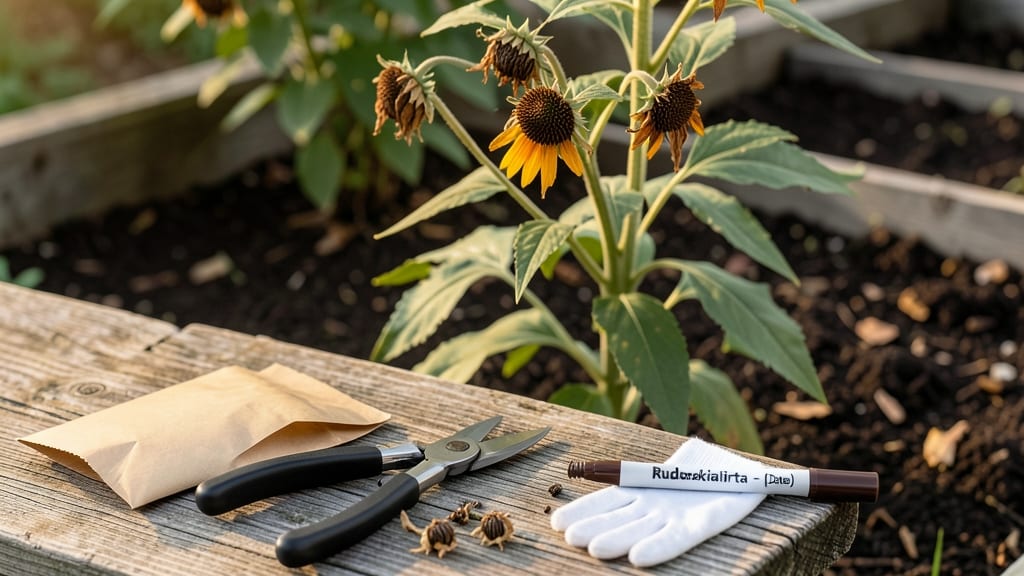
Harvesting rudbeckia seeds is easier than you think—just wait for the flower heads to turn brown and dry 🌼, then collect them before they scatter.
Picture this: your black-eyed Susans are fading into late summer, their petals dropping away to reveal papery seed heads. That’s your cue to act—because if you wait too long, the seeds will fly away, leaving you with nothing to replant.
The key is knowing when they’re ready and how to handle them gently.
You don’t need fancy tools or a greenhouse to save these seeds—just a little patience and the right timing.
Late summer through early fall is prime season, and with the right technique, you’ll have seeds that stay viable for years, ready to bring more of that cheerful gold back to your garden next spring.
In this guide, I’ll walk you through identifying mature seed heads, the simplest way to collect them without losing a single one, and how to store them so they’re fresh and ready for planting when you’re. No wasted effort, just easy seed-saving success.

When and how to identify rudbeckia seed heads ready for harvesting
Harvesting rudbeckia seeds at the right time ensures strong germination for next year's garden. The optimal harvest window spans from late summer through early fall, typically August to October in most USDA zones.
Missing this window means seeds may shatter and scatter before you collect them, while harvesting too early results in non-viable seeds.
Look for visual cues that signal maturity. The first sign is when flower petals drop away naturally, leaving behind a dry, brown seed head. These seed heads should feel light and papery when touched, almost like crumpled paper.
This dryness indicates the seeds inside have fully matured and are ready for collection.
A foolproof test is the rattle test: gently shake a seed head over a piece of paper. If you hear a loud rattling sound and see seeds falling out, it's time to harvest.
Immature seeds won't produce this sound because they're still moist inside. This simple test saves you from collecting seeds that won't germinate.
Distinguishing mature rudbeckia seeds from immature ones is crucial. Mature seeds are dark brown or black and plump, while immature seeds remain light tan or greenish and feel soft.
The seed heads of mature plants will also split open slightly at the edges, allowing seeds to escape naturally—a clear sign they're ready for your seed collection efforts.
| Stage | Visual Cues | Touch Test | Sound Test |
|---|---|---|---|
| Immature | Green/brown seed head, petals still attached | Firm, slightly moist | No sound (🔇) |
| Partially Mature | Brown seed head, some petals fallen | Damp, slightly papery | Muffled sound |
| Fully Mature | Completely brown/dry, petals gone | Light, crispy, papery | Loud rattle (🔊) |
Timing your harvest is just as important as identifying the right seed heads. Aim to collect seeds in dry weather to prevent mold growth. Early morning harvests work best because the dew has evaporated, and seed heads are at their driest.
If rain is forecasted, harvest immediately—even mature seeds can spoil if left exposed to moisture.
One common mistake is waiting until the seed heads split open completely and seeds scatter onto the ground. While this is nature's way of spreading rudbeckia, you'll lose many seeds to birds, wind, or soil.
Instead, harvest when you see the first signs of splitting—this gives you the best chance to collect the maximum number of viable seeds.
For large rudbeckia varieties, like 'Goldsturm' or 'Herbstsonne,' pay extra attention to the seed head structure. These varieties often produce denser seed heads that may take slightly longer to dry completely.
Give them an extra week or two beyond what smaller varieties need to ensure full maturity before harvesting.
Pro tip: Mark your rudbeckia plants with small flags or stakes when they first show signs of seed head formation. This helps you track their progress and ensures you don't miss the optimal 2-3 week harvest window when seeds are at peak viability.
A little preparation now means easier harvesting later.
Remember that seed viability decreases over time, even after harvest. Seeds collected in late fall may have lower germination rates compared to those harvested in early fall. If you're saving seeds for next year, prioritize harvesting the earliest-ready seed heads first to maximize your success rate.
Step-by-step guide to collecting rudbeckia seeds without losing them
Now that you’ve identified your mature rudbeckia seed heads, it’s time to collect them before they scatter. The good news? You don’t need any special equipment—just a few simple tools and a little patience.
The key is to dry the seed heads properly to preserve viability while preventing premature seed drop. Whether you’re working with tall varieties like 'Goldsturm' or smaller types, the same principles apply.
Start by gathering your harvesting tools: a pair of clean pruning shears or scissors, a paper bag or envelope (for direct collection), and a drying rack or even a hanging mesh bag. Avoid plastic bags—they trap moisture and encourage mold.
If you’re short on tools, even a brown paper grocery bag works in a pinch. The goal is to keep seeds dry and contained until they’re fully mature.
- Cut rudbeckia seed heads from the stem when they’re fully brown and dry, leaving a 1-inch stem attached for hanging. Use clean shears to avoid damaging the seed heads.
- Place seed heads in a paper bag or mesh bag to catch any seeds that may drop during drying. Label the bag with the rudbeckia variety and harvest date.
- Hang the bag in a dry, well-ventilated spot, like a garage or shed, where it can dry for 1-2 weeks. Avoid direct sunlight, which can overheat the seeds.
- Shake the bag gently every few days to dislodge seeds from the seed heads. This ensures all seeds are loose and ready for collection.
- Once seeds are completely dry (they’ll look dark brown and feel brittle), remove them from the bag and store in a cool, dark place like a seed envelope or airtight container.
If you prefer not to hang seed heads, you can collect them directly into a paper bag or envelope right on the plant. Simply twist the seed head gently to loosen the seeds, then tap it over the bag.
This method works well for smaller rudbeckia varieties or when you’re short on time. Just be sure to harvest on a dry day to prevent moisture from sticking seeds together.
Avoid plastic containers for drying or storage—they trap humidity and can cause mold. Instead, opt for breathable materials like paper or fabric.
If you’re dealing with large quantities of seeds, spread them out on a tray lined with parchment paper in a dry area for a few days to finish drying. This method gives you better control over moisture levels and prevents clumping.
One of the biggest mistakes gardeners make is harvesting seeds too late. By the time seed heads split open completely, many seeds have already fallen to the ground or been eaten by birds.
To maximize your yield, harvest when you see the first signs of splitting—just a tiny gap at the edges is enough. This gives you the best chance to collect the majority of viable seeds before they’re lost.
Once your seeds are fully dry, store them in a cool, dark place with low humidity, like a seed envelope or small jar. Label everything clearly with the rudbeckia variety and harvest year to avoid confusion later.
With proper storage, rudbeckia seeds can remain viable for 2-3 years, giving you plenty of time to replant and enjoy next season’s blooms.