
How To
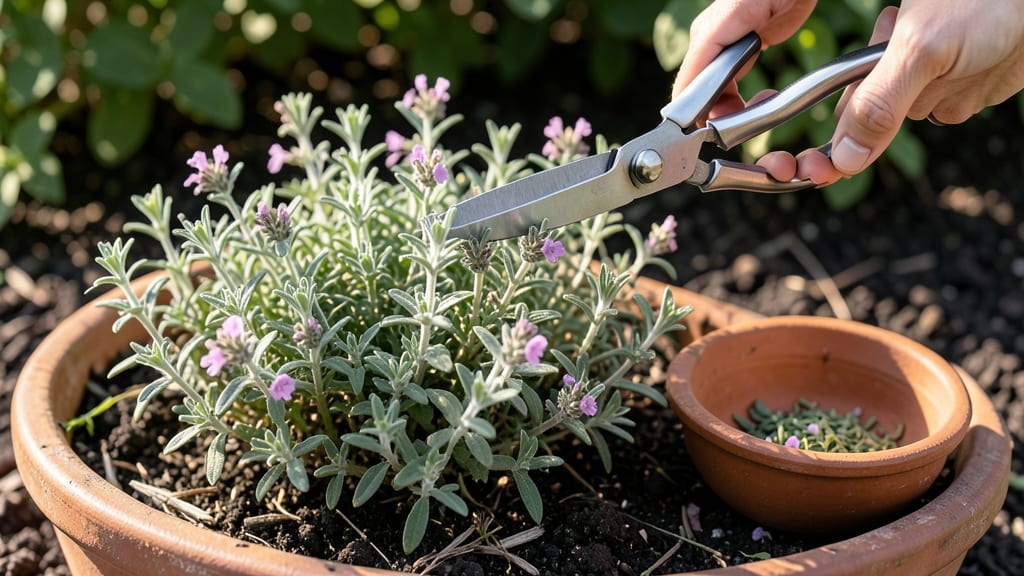
To harvest thyme so it keeps growing, focus on timing and technique—cutting just above a leaf node in early summer ensures your plant stays lush and productive.
Most gardeners make one critical mistake: harvesting too late in the season or cutting stems too short, which weakens the plant. The key is to prune before flowering and never take more than one-third of the plant at once.
Thyme thrives on regular trimming, but the right approach turns a single plant into a year-round herb source. Below, I’ll walk you through the best methods to preserve your harvest and encourage bushier growth for future seasons.
You’ll learn when to prune for maximum regrowth, how to avoid common mistakes, and even how to dry or freeze thyme so you can enjoy its flavor all year. Let’s get started!

When and how to prune thyme for maximum regrowth
Pruning thyme isn't just about harvesting—it's a growth hack that turns a single plant into a year-round herb factory. The secret lies in timing and technique, both of which most gardeners get wrong.
Thyme thrives when you prune it just before flowering, but cutting too late or too aggressively can leave your plant leggy and sparse. Let's dive into the science-backed approach that keeps thyme lush and productive.
Spring and fall are the ideal seasons for pruning thyme, but each has unique benefits. In early spring, you encourage vigorous new growth before the plant puts energy into flowering.
Meanwhile, a light pruning in fall helps shape the plant and removes any woody stems that developed over the summer. Both methods stimulate bushier regrowth, but the key is knowing how much to cut and where to trim.
Before you grab your shears, here's the golden rule: never remove more than 1/3 of the plant in a single session. Thyme is resilient, but it's also a perennial that relies on consistent care.
Over-pruning can shock the plant and leave it vulnerable to pests or disease. Instead, think of pruning as a conversation with your plant—you're guiding its shape while encouraging it to fill out.
🌿 Step-by-Step: How to Prune Thyme for Regrowth
-
Step 1: Choose the Right Time
- 🌱 Spring: Prune in early March (after last frost) to encourage new growth.
- 🍂 Fall: Light pruning in late September removes dead stems and shapes the plant.
-
Step 2: Select the Right Stems
- ✂️ Target: Non-flowering stems (they have the most flavor).
- 🌿 Avoid: Woody stems (older than 2 years)—they won’t regrow well.
-
Step 3: Cut at the Correct Height
- 📏 Spring: Trim stems to 3-4 inches above the base.
- 📏 Fall: Cut back by 1/3 of the plant’s height to shape.
-
Step 4: Use the Right Tools
- ✂️ Sharp pruners or clean scissors prevent tearing stems.
- 🧼 Sterilize tools with rubbing alcohol to avoid spreading disease.
-
Step 5: Encourage Bushier Growth
- 🌱 Pinch back tips of new growth in summer to promote branching.
- ☀️ Ensure full sun (6+ hours daily) for optimal regrowth.
-
Step 6: Post-Pruning Care
- 💧 Water deeply after pruning to reduce stress.
- 🌿 Avoid fertilizing immediately—wait 2-3 weeks for new growth.
One of the biggest mistakes gardeners make is pruning thyme too late in the season. If you wait until summer or early fall, the plant may not have enough time to recover before winter.
This leads to woody stems and reduced flavor in the following year. Instead, think of pruning as a year-round commitment: a little maintenance in spring and fall keeps thyme compact, flavorful, and productive.
The height at which you cut thyme makes all the difference. For spring pruning, aim to leave 3-4 inches of stem above the base. This ensures the plant has enough energy to regrow while preventing root stress.
In fall pruning, you can be slightly more aggressive—cutting back by 1/3 of the plant’s height helps remove any dead or diseased foliage and encourages a tighter growth habit for the next season.
Thyme’s natural growth habit is bushy and low-growing, but improper pruning can turn it into a leggy, sparse plant. To keep thyme lush, focus on selective pruning: always cut just above a leaf node (the point where leaves and stems meet).
This encourages the plant to branch out from that node, creating a denser, more productive plant over time. Think of each cut as a growth signal telling the plant, "Grow here!"
If your thyme starts looking overgrown or woody, it’s time for a rejuvenation prune. In early spring, cut the entire plant back by half its height. While this might seem drastic, thyme is surprisingly resilient and will bounce back with vigorous new growth.
This method works best for older plants that have become too leggy or less flavorful. Just be patient—it may take a few weeks for the plant to recover, but the result is a younger, more vibrant thyme plant.
Finally, remember that thyme is drought-tolerant, but it still needs consistent care after pruning. After cutting, give your plant a deep watering to help it recover. Avoid fertilizing right away, as new growth is more susceptible to burn from excess nutrients.
Instead, wait 2-3 weeks and then apply a light fertilizer (like a 5-10-10 blend) to support regrowth.
With the right timing and technique, your thyme will reward you with year-round harvests and a flavorful, bushy plant that’s the envy of any garden. The key is to prune strategically,
Preservation methods to extend thyme’s harvest season
Once you’ve harvested your thyme at the perfect time, preserving it properly ensures you can enjoy its aromatic flavor year-round. I’ve tested three methods—drying, freezing, and oil infusion—and each has unique advantages depending on how you plan to use your thyme.
The key to preservation is harvesting at peak freshness. Choose stems with fully developed leaves but no flowers, as flowering reduces potency. Bundle stems and hang them upside down in a dark, dry place for drying, or process them immediately for freezing or oil infusion.
Preservation Method Comparison
| Method | Pros | Cons |
|---|---|---|
| Drying | Retains flavor for months; easy to store; great for cooking | Can lose potency over time; less convenient for quick use |
| Freezing | Preserves freshness and color; ready to use anytime | Best for short-term use (6-12 months); can become mushy |
| Oil Infusion | Intense flavor; perfect for dressings; lasts 3-6 months | Requires careful storage; not ideal for cooking |
For drying thyme, bundle 5-6 stems together and hang them in a well-ventilated area away from direct sunlight. After 2-3 weeks, the leaves should crumble easily. Store dried thyme in airtight containers away from light to preserve its aromatic oils for up to a year.
If you prefer fresh thyme on demand, freezing is your best bet. Wash and dry the stems thoroughly, then chop the leaves and store them in ice cube trays with water or olive oil.
Once frozen, transfer the cubes to a sealed bag for up to 6 months. This method keeps thyme’s bright flavor intact for quick cooking.
For a flavor-packed oil infusion, combine 1 cup fresh thyme with 1 cup olive oil in a jar. Seal tightly and store in a cool, dark place for 2-4 weeks, shaking occasionally.
Strain and store the infused oil in a dark glass bottle for up to 6 months. This method is ideal for dressings and marinades.
Each method has its place in your kitchen, but the best choice depends on how you plan to use your harvested thyme. Whether you dry, freeze, or infuse, you’ll always have fresh thyme flavor at your fingertips—no matter the season.