
How To
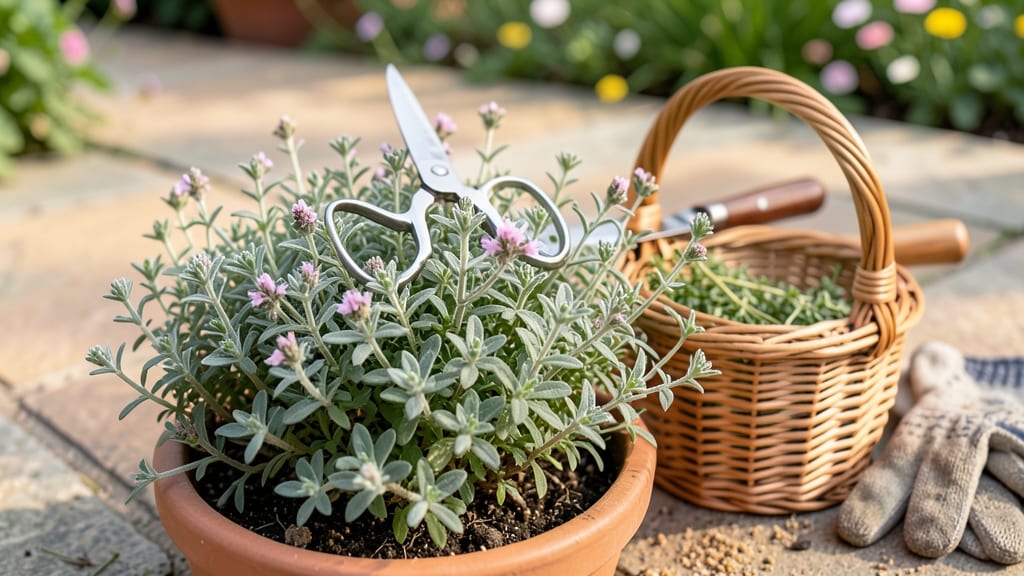
Harvesting thyme at the right time and with the right technique can turn your herb garden into a year-round flavor factory—while keeping your plant thriving for seasons to come.
Picture this: you’ve nurtured your 🌿 thyme all spring, and now those tiny, fragrant leaves are ready to elevate your cooking—if you know when and how to snip them without harming the plant.
The secret isn’t just about cutting; it’s about timing, tools, and a little pruning know-how that’ll keep your thyme bushy and productive.
Most gardeners wait until the plant is 6–12 inches tall and just before flowering for peak flavor, but there’s more to it than that.
You’ll also learn how to revive leggy plants, store your harvest, and even extend your thyme’s growing season through winter—so you’re never without this versatile herb again.
In this guide, I’ll walk you through the best tools, the exact moments to harvest, and the simple tricks to dry or freeze thyme so it stays fresh until your next crop. Let’s get started!

When and how to harvest thyme for maximum flavor and growth
Timing your thyme harvest is everything—cut too early, and you’ll sacrifice flavor; wait too long, and your plant may lose vigor. The key lies in understanding seasonal growth cycles and recognizing when your plant is at its peak potency.
For most varieties like common thyme (Thymus vulgaris) or lemon thyme (Thymus citriodorus), the best harvest window spans from late spring through early fall, but subtle differences exist between seasons that can make or break your yield.
Spring harvests should focus on new growth after your plant emerges from dormancy, while summer offers the most abundant leaves—just avoid cutting when flowers form if you want maximum flavor.
Fall harvests can extend into October, but stop before first frost to protect your plant. Understanding these rhythms ensures you’re always harvesting at the right moment without stunting future growth.
-
Spring Harvest (April–May)
Focus on new shoots (6–12 inches tall) and avoid cutting more than 1/3 of the plant to encourage bushiness. Early harvests prevent legginess. -
Summer Harvest (June–August)
Harvest just before flowering (when leaves are fully aromatic) for peak flavor. Cut stems 3–4 inches above soil to stimulate regrowth. -
Fall Harvest (September–October)
Reduce harvesting frequency as growth slows. Stop 4–6 weeks before first frost to harden the plant for winter. -
Tools You’ll Need
Use sharp pruners or scissors (never dull tools) and wear gloves to avoid skin irritation from oils. -
Post-Harvest Care
Water deeply after cutting and fertilize lightly with balanced 5-10-5 to encourage recovery.
When harvesting thyme, always prioritize selective cutting—never trim more than one-third of the plant in a single session. This rule prevents stress and ensures your thyme remains compact and bushy.
For example, if your plant is 12 inches tall, cut stems back to 4–6 inches to maintain shape while allowing new growth to fill in. Over-harvesting in one go can leave your thyme looking sparse and leggy, with weak stems that struggle to recover.
Proper cutting technique matters just as much as timing. Use clean, sharp pruners to make 45-degree cuts just above a leaf node or set of leaves. This angle helps water run off the stem, reducing rot risk.
Avoid tearing leaves by hand—it bruises the plant and invites pests. If you’re harvesting for drying or culinary use, bundle stems and hang them upside down in a dark, dry, well-ventilated space for 1–2 weeks.
One common mistake gardeners make is harvesting thyme after flowering. While the flowers are edible, the flavor intensity drops significantly once blooms appear. Instead, harvest just before buds form for the most potent leaves.
If you’re growing thyme for seeds or propagation, allow a few stems to flower, then collect seeds when they turn brown and dry.
To maximize your thyme’s year-round productivity, establish a rotational harvesting schedule. For instance, in spring, harvest lightly every 2–3 weeks to encourage bushiness. Shift to weekly harvests in summer when growth accelerates, then taper off in fall.
This approach ensures your plant never feels overwhelmed while providing a steady supply of fresh herbs.
If your thyme starts looking woody or leggy, it’s a sign you’ve been harvesting too aggressively or not enough. Revive it by giving it a hard prune in early spring, cutting back half the plant to encourage fresh, tender growth.
Pair this with full sun exposure and well-draining soil to help it bounce back quickly.
For container-grown thyme, harvesting is slightly different. Since pots limit root space, avoid cutting more than 10–15% of the plant at a time. Over-pruning can stress the roots, leading to stunted growth or even death.
Instead, focus on regular light trims to maintain shape and encourage dense foliage. Container thyme also benefits from annual repotting in early spring to refresh the soil.
Finally, store harvested thyme properly to preserve its aroma and potency. For fresh use, wrap stems in damp paper towels and refrigerate in a sealed container for up to 2 weeks.
For long-term storage, dry the stems completely before stripping leaves and storing them in airtight jars away from light. Proper storage ensures your homegrown thyme stays flavorful for months—no grocery store substitute needed!
Thyme pruning mistakes that kill your plant (and how to fix them)
Pruning thyme might seem simple—just snip and go—but wrong cuts at the wrong time can turn your thriving herb into a leggy, flavorless shadow of its former self.
I’ve seen gardeners accidentally strangle their plants by cutting too late, using dull tools, or over-pruning, all of which stress thyme and stunt its growth. The good news? Most of these mistakes are easily reversible with the right techniques.
Thyme is a hardy perennial, but it still needs proper care to bounce back. Over the years, I’ve helped gardeners revive woody, bare stems and stunted growth by adjusting their pruning habits.
The key is understanding when to cut, what to avoid, and how to encourage new growth without damaging the plant’s structure.
⚠️ Deadly Pruning Mistakes
Cutting after flowering removes next year’s buds, leaving your thyme bare for winter. Using dull shears crushes stems, inviting disease. And over-pruning (more than ⅓ of the plant) stresses thyme, causing leggy regrowth.
If your thyme looks woody and sparse, it’s likely suffered from late-season pruning. Thyme sets buds in late summer, so cutting after September 1st removes potential growth for next year.
Instead, prune in early spring or right after flowering to encourage compact, bushy growth. For revival, trim back dead stems first, then lightly shape the plant to stimulate new shoots.
Another common error is using the wrong tools. Pruning shears with serrated edges tear thyme stems, while scissors crush them. Invest in sharp, bypass pruners—they make clean cuts that heal faster.
For small trims, clean kitchen scissors work in a pinch, but disinfect them with rubbing alcohol to prevent spreading disease.
Over-pruning is the silent killer of thyme. If you’ve trimmed more than ⅓ of the plant in one session, your thyme may struggle to recover. To fix this, space out pruning—trim lightly every 4–6 weeks during the growing season.
Focus on shaping the outer edges rather than hacking into the center, which encourages dense foliage and prevents bare spots.
Seasonal adjustments are critical. In spring, prune to remove dead wood and shape the plant. In summer, harvest leaves by pinching top growth to promote bushiness. By fall, avoid heavy pruning—just tidy up any spent flowers to keep the plant tidy for winter.
With these tweaks, your thyme will stay lush, aromatic, and productive for years.
Remember, thyme is resilient, but it rewards precision. Next time you reach for those shears, ask yourself: Is this the right time? Are my tools sharp? Am I cutting too much? Answering these questions will keep your thyme thriving—and your kitchen stocked with fresh flavor.