
How To
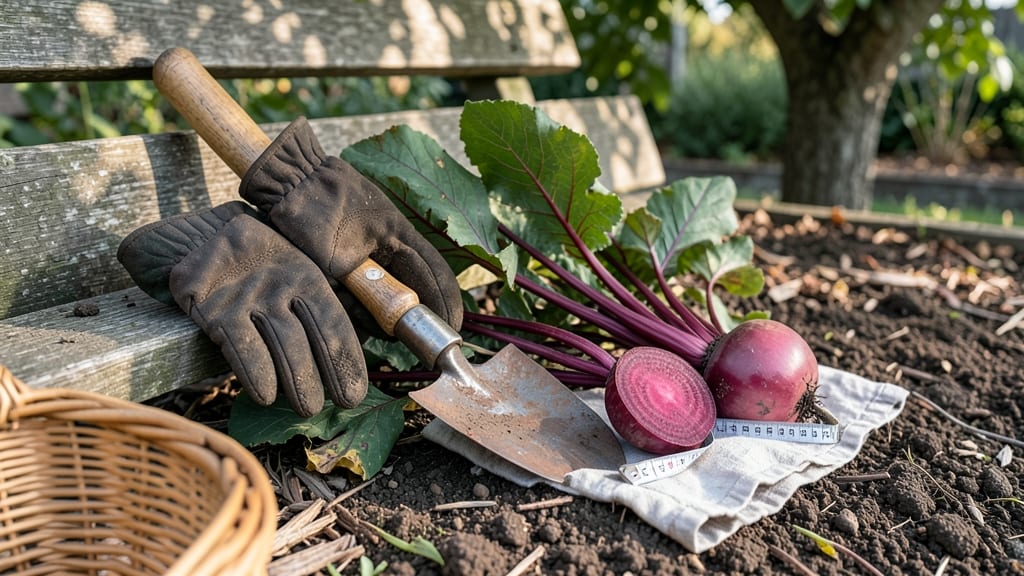
Knowing when to harvest beets 🍠 depends on three key factors: size, texture, and leaf color—skip this window, and you’ll end up with tough, woody roots that taste like disappointment.
Picture this: you’ve been patiently waiting for your beets to mature, but now you’re staring at a garden full of oversized, fibrous roots that feel like chewing on a shoe. That’s the moment you realize timing is everything.
In this guide, I’ll walk you through the exact visual and tactile cues to pull beets at their peak—whether you’re after tender baby beets or full-grown storage roots.
You’ll learn how to check firmness without damaging the plant, why leaf color changes signal readiness, and how seasonal shifts affect harvest windows.
By the end, you’ll never second-guess whether your beets are ready again—just grab your gloves and get digging!

Signs your beets are ready to harvest based on size and texture
Harvesting beets at the perfect moment transforms your garden into a treasure trove of tender, flavorful roots. The key lies in understanding root size, texture, and subtle visual cues that signal readiness.
Unlike many vegetables, beets don't have a one-size-fits-all harvest window—they range from baby beets (30 days) to mature storage beets (90+ days). Knowing when to pull them ensures you avoid the dreaded woody texture that ruins their sweetness.
Start by checking the root diameter—this is your most reliable indicator. For most varieties, aim for roots between 1 to 3 inches in diameter.
Baby beets like 'Babybeat' or 'Detroit Dark Red' can be harvested as small as ½ to 1 inch for a delicate texture, while storage varieties like 'Chioggia' or 'Golden' should reach closer to 2 to 3 inches for long-term storage.
The soil type also plays a role: sandy soils may produce faster-growing beets, while clay soils slow root expansion.
Texture is your next clue—run your fingers gently over the beet's skin. A ready-to-harvest beet should feel firm yet slightly yielding, like a ripe avocado. If the skin feels thin and papery, the beet is underdeveloped. Conversely, if it's hard and woody, you've waited too long. Pro tip: Use your thumb and forefinger to press lightly on the soil near the plant. If the root gives slightly under pressure, it's likely ready.
| Stage | Root Size | Texture | Leaf Height | Days to Harvest |
|---|---|---|---|---|
| Baby Beets | ½–1 inch | Tender, thin skin | 3–4 inches | 30–40 |
| Standard Beets | 1–2½ inches | Firm, smooth skin | 6–8 inches | 50–60 |
| Mature/Storage Beets | 2–3+ inches | Thick, tough skin | 8–12 inches | 70–90+ |
| Overmature Beets | 3+ inches | Woody, fibrous | 12+ inches | 90+ |
Don't rely solely on size—leaf growth also reveals readiness. Healthy beet greens should be 4 to 6 inches tall with deep green, vibrant leaves. If the leaves start yellowing or wilting, it's a sign the beet has bolted or is stressed.
For varieties like 'Swiss Chard' (which is technically a beet relative), watch for the leaf shape: mature leaves should be broad and slightly crinkled, not narrow or curled.
One common mistake is harvesting when the beet greens are still small, assuming the root is underdeveloped—always dig a test beet to check!
To test without damaging the plant, use a soil probe or your fingers to gently loosen the soil around one beet. If the root slides out easily with minimal resistance, it's ready. If it feels tightly bound to the soil, wait a few days.
For container-grown beets, gently tip the pot to check root growth through the drainage holes. If roots are visible and thick, harvest immediately to prevent overcrowding, which stunts growth and leads to smaller, tougher roots.
Seasonal timing matters too. Spring-planted beets in cooler climates may mature faster due to shorter daylight hours, while summer heat can slow growth. In Zone 6a (like much of the Midwest), aim to harvest spring beets by early June to avoid the heat.
Fall-planted beets, however, thrive in cooler weather and can be left in the ground longer. Always harvest on a cool, cloudy day to reduce stress on the plant—hot sun causes beets to bleed and spoil faster.
One final trick: listen to the soil. Healthy beet beds have a rich, earthy smell. If the soil smells sour or waterlogged, your beets may be struggling. Well-draining soil with a pH between 6.0 and 7.0 ensures optimal growth.
To test, dig a small hole near your beets, moisten the soil, and press it—it should hold its shape but not be sticky. Adjust with compost or sand if needed before planting your next batch.
Remember, beets are self-thinning—they naturally space themselves as they grow. If you see crowded roots or beets pushing against each other, harvest immediately to prevent competition. Thin seedlings to 3 inches apart when they're 2 inches tall to encourage larger, sweeter roots.
The goal is to balance root expansion and leaf growth, so don't let either outpace the other.
Once you've mastered these signs, harvesting becomes second nature. Pull beets gently by the
Leaf color and growth patterns that signal harvest time
Your beet greens and roots send clear signals when they're ready to harvest—if you know what to look for. The leaf color and growth patterns of beets change dramatically as they mature, offering visual cues that prevent woody roots or bitter greens.
For example, golden beets like 'Burpee Golden' develop a vibrant yellow-green hue, while chioggia beets show striking red-and-white striped patterns when ready.
Pay close attention to the outer leaves first—they often yellow or wilt slightly before the root is fully mature. This isn't a sign of distress but rather an indication that the plant is redirecting energy to the root.
Meanwhile, the center leaves should remain deep green and crisp, signaling optimal harvest timing for both roots and greens.
⚠️ callout warning ⚠️
If leaves turn yellow-brown or crispy, your beets are overmature—roots become woody and greens bitter. Harvest when:
- ✅ Outer leaves show 10-20% yellowing (not full browning)
- ✅ Center leaves stay deep green and firm
- ✅ Root diameter reaches 1-3 inches (check by gently brushing soil away)
Pro Tip: Golden beets and chioggia varieties are ready 2-3 weeks earlier than deep red types!
Different beet varieties have distinct leaf growth patterns that signal readiness. For instance, 'Detroit Dark Red' develops broad, wrinkled leaves when mature, while 'Babybeat' varieties keep smaller, smooth-edged leaves even at harvest. Always check the leaf veins: healthy veins should appear bright green, not dull or streaked.
Don’t ignore the soil surface either—if you see small green shoots emerging from the soil around your beets, it’s a sign the roots have fully developed and are ready to pull. This is especially true for baby beets planted in succession, where rapid growth means shorter harvest windows.
For storage beets like 'Ruby Queen', wait until the top leaves begin to yellow and die back naturally—this usually happens 70-90 days after sowing. At this stage, the roots will be large and firm, with a thick skin that resists puncturing, perfect for long-term storage.
Finally, time of year matters: Spring-planted beets mature faster in warm soil, while fall-planted varieties may take longer due to cooler temperatures. Always adjust your harvest timing based on local frost dates—you want to pull beets before the first frost hits, even if they’re not fully mature.