
How To
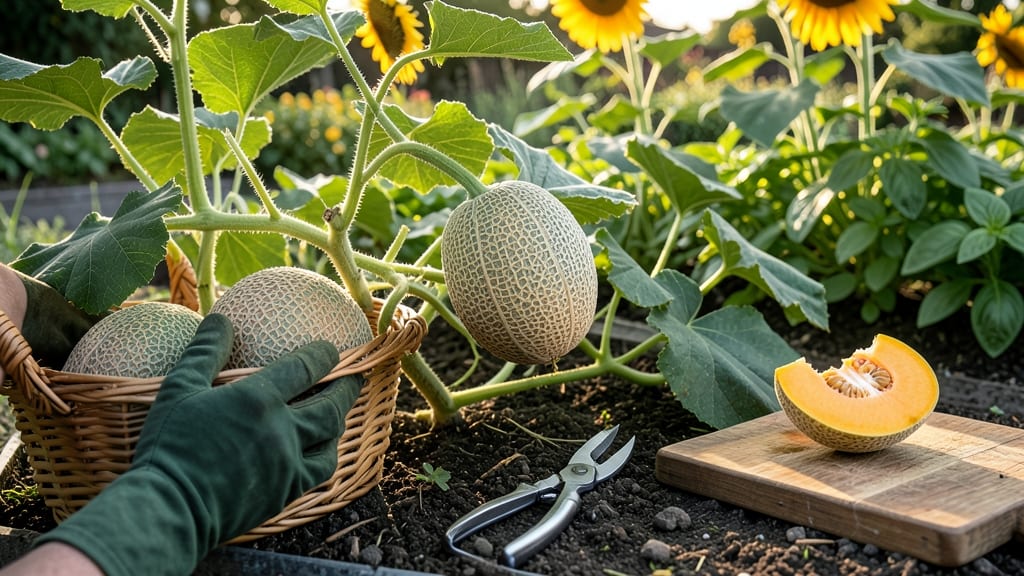
Knowing when to harvest cantaloupe means catching that perfect balance of sweetness and texture before it slips into blandness or bitterness.
Picture this: you’ve nurtured your 🍈 for months, and now the moment of truth arrives. One wrong move and you’re left with a melon that’s either rock-hard or mushy—both equally disappointing.
But here’s the good news: with just three simple tests, you can nail that sweet spot every single time.
The secret lies in what you see, feel, and even smell. A creamy tan blush near the stem, a slight give when you press your thumbnail, and that unmistakable floral aroma—these are the clues your cantaloupe is whispering. Ignore them, and you might as well be guessing.
Below, I’ll walk you through each test step by step, so you can confidently pluck your cantaloupes at their peak. No more second-guessing, no more wasted fruit—just perfectly ripe, sweet, and juicy cantaloupes ready for the table.


3 Visual and physical tests to determine cantaloupe ripeness
Harvesting cantaloupe at the perfect moment transforms your garden into a sweet, juicy treasure—but one wrong move turns it into a bland, seedy disappointment. The key lies in understanding three foolproof tests that reveal when nature’s clock says "it’s time."
These methods combine science with simple observation, so you’ll never second-guess your harvest again.
Cantaloupes rely on visual color shifts, physical texture changes, and even subtle aroma cues to signal readiness. Unlike some fruits that ripen off the vine, cantaloupes must be picked at peak maturity for the best flavor. Here’s how to read your plants’ signals like a pro.
- 1. Vine Separation Test: Gently twist the stem—it should slip free with minimal pressure. A stubborn stem means "not ready."
- 2. Skin Color Shift: Check the blossom end (opposite the stem)—it should turn from green to creamy tan/yellow. A fully green rind means wait longer.
- 3. Thumb Pressure Test: Press your thumbnail into the rind—it should leave a slight dent but not puncture. No give? Not ripe yet.
The vine separation test works because cantaloupes naturally detach from the vine as they ripen. This isn’t just a trick—it’s a biological signal that the fruit’s sugars have peaked. When you twist the stem and feel it pop free, you’re witnessing the plant’s way of saying, "I’m done here."
This test is especially reliable in hot climates where cantaloupes ripen quickly.
Next, focus on the blossom end—the spot where the flower once was. A ripe cantaloupe’s rind here shifts from bright green to a creamy tan or yellow. This color change happens because the fruit’s chlorophyll breaks down as sugars concentrate.
Producers often use this as their primary cue, and for good reason: it’s impossible to fake. If the blossom end stays green, the melon needs more time on the vine.
For a quick physical check, try the thumbnail test. Press your thumbnail into the rind near the blossom end—it should indent slightly but not puncture. This resistance comes from the fruit’s firm yet yielding texture at peak ripeness.
If your nail sinks in easily, the cantaloupe is overripe. If it bounces back like a drum, it’s not ready. Think of it as the cantaloupe version of the "squeeze test" for tomatoes.
Why do these tests matter? Overripe cantaloupes develop bitter, seedy interiors and lose their signature sweetness, while underripe ones taste bland and mealy.
The 30-day window between when cantaloupes are ready to pick and when they’re past their prime is narrow—mastering these tests ensures you hit that sweet spot every time. Even experienced gardeners sometimes misjudge, but these methods eliminate the guesswork.
One common mistake is relying only on size. A cantaloupe can be large but still unripe, or small but perfectly sweet. Size alone doesn’t tell the full story—it’s the combination of color, texture, and stem separation that guarantees success.
For example, I once harvested a cantaloupe based on size, only to find it tasted like cardboard because the rind was still green at the blossom end.
If you’re growing cantaloupes in cooler climates, these tests become even more critical. Lower temperatures slow ripening, so the aroma test (which we’ll cover next) becomes especially important. A ripe cantaloupe should smell intensely sweet near the stem—almost like a mix of honey and fresh corn.
If it smells mildew-y or bland, it’s not ready. This scent comes from volatile compounds that develop as the fruit matures.
For container growers, these tests are just as reliable. Cantaloupes in pots ripen slightly faster due to warmer root zones, so check the vine separation and rind color daily during peak season.
I’ve found that potted cantaloupes often ripen 3-5 days earlier than their in-ground counterparts, so stay vigilant. The same tests apply—just monitor more frequently.
Remember: patience is key. Cantaloupes won’t get sweeter after picking, so waiting an extra day for the perfect tan blossom end or slip-free stem is always worth it. Once you master these three tests, you’ll never again wonder, "Is this cantaloupe ready?"—you’ll just know. 🍈
How to smell and taste-test cantaloupe for maximum sweetness
Your cantaloupe might look ripe, but scent and texture hold the secrets to true sweetness. The stem sniff test is my go-to trick—simply press the blossom end (the opposite side of the stem) and inhale.
A strong, musky floral aroma means peak ripeness, while a weak or fermented smell signals overripeness or spoilage.
Next, check the blossom end color. When ripe, this area turns from green to creamy beige or tan**. This color change isn’t just cosmetic—it’s a chemical signal that the sugars have fully developed. If the blossom end stays green, your melon needs more time on the vine.
Here’s where it gets fun: the finger nail test. Press your thumbnail into the cantaloupe’s skin near the blossom end. If it leaves a slight indentation but doesn’t puncture, you’ve got the perfect balance of firmness and ripeness. Too soft? It’s overripe. Too hard? It’s not ready yet.
🌱 Key Takeaway: 3 Sensory Tests for Cantaloupe Perfection
- Stem Sniff Test: Press blossom end—musky floral scent = ripe
- Blossom End Color: Creamy beige/tan = ready to harvest
- Thumbnail Test: Slight indentation = perfect texture
Pro Tip: Combine these tests for 100% accuracy—no guesswork!
For an extra layer of confidence, taste-test a small slice from the blossom end. The first bite should be bursting with sweetness, not overly fibrous or bland.
If the flesh tastes seedy or bitter, it’s past its prime. Remember, cantaloupes don’t ripen further after picking, so trust your senses!
Timing matters too. Test melons in the late morning when temperatures are mild—heat can trick your senses into thinking a melon is riper than it is. Store unripe cantaloupes in a cool, shaded spot and retest every 2-3 days until they pass all three tests.
Now you’re equipped to harvest cantaloupes that taste like summer sunshine. No more bland or seedy disappointments—just sweet, juicy perfection straight from your garden. Happy harvesting! 🌻