
How To
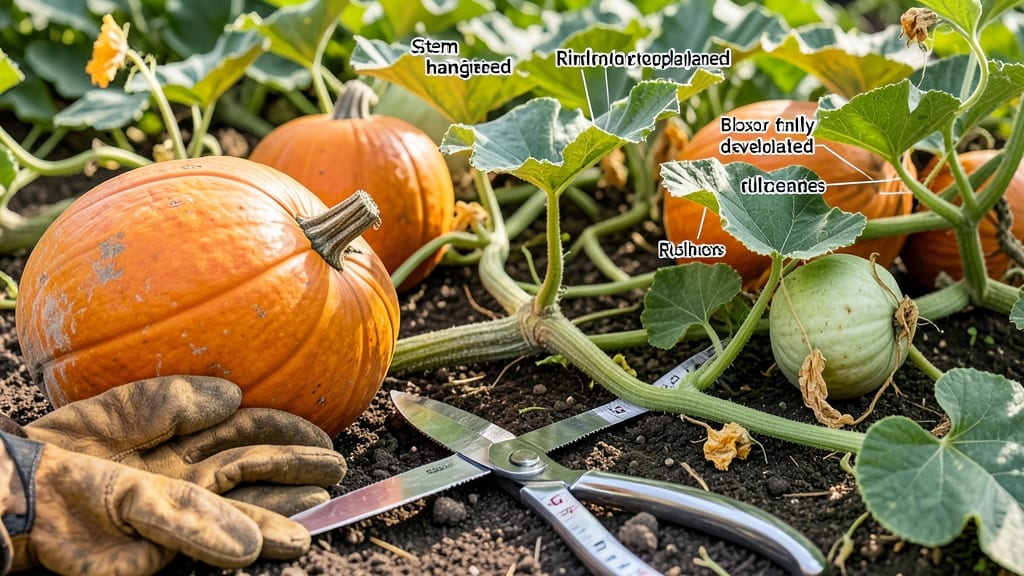
Knowing when to harvest pumpkins 🎃 is the difference between a prize-winning crop and a wasted season—because waiting too long means rot, while picking too soon means bland, underdeveloped fruit.
Pumpkin harvest season is one of the most exciting times for gardeners—but picking too early or too late can ruin your crop. The right moment arrives when the rind hardens like a board, the stem dries to a papery crisp, and the vine yellows like autumn leaves.
Miss these cues, and you’ll either end up with a pumpkin that’s still growing or one that’s already spoiling.
Here’s the good news: with just a few simple checks—like the nail test, color consistency, and stem condition—you can tell exactly when your pumpkins are ready. No guesswork, no wasted effort, just a foolproof way to enjoy your harvest at its peak.
Below, I’ll walk you through the three most reliable signs your pumpkins are ready, plus how to avoid common mistakes that turn great pumpkins into sad, squishy disappointments. Let’s get started.

3 Visual signs your pumpkin is perfectly ripe for harvesting
There's nothing like the thrill of watching your pumpkins grow from tiny blossoms into full-sized gourds—but knowing the exact moment to harvest can be tricky. Picking too soon means bland, watery flesh, while waiting too long risks rot or pest damage.
The good news? Your pumpkins will give you clear visual cues when they're ready. These three key signs will help you determine the perfect harvest time every season.
First, pay attention to the stem and vine. When pumpkins are ready, the stem where the fruit connects to the vine will begin to dry out and harden.
This is your plant's way of telling you it's redirecting energy away from the fruit. Ignore the vine's color—it's the stem's texture that matters most. If you see brown, papery edges, that's your first green light (pun intended).
Don't miss these three foolproof indicators that your pumpkin is ready for harvest:
Hardened Stem
The stem should feel dry and woody—like a small twig. Press gently: if it snaps easily, your pumpkin is ready. A soft or green stem means wait a few more days.
Thick, Impenetrable Rind
A ripe pumpkin's rind should be too tough to puncture with your fingernail. Try pressing near the stem—if you can't dent it, it's ready. Pale or soft spots mean it needs more time on the vine.
Deep, Consistent Color
The pumpkin's color should be uniform and vibrant—no green shoulders or patchy areas. For heirloom varieties, this might mean deep orange, yellow, or even white. Wait for full color development before harvesting.
Pro tip: Check your pumpkins in the morning when the rind is firmest. Humidity can make them feel softer later in the day. I always carry a small notebook to jot down the date when I spot these signs—it helps me track ripening patterns for future seasons.
One common mistake gardeners make is waiting until the vine completely dies back. While this can happen, harvesting when you see these three signs often gives you a few extra days of vine life before frost. This extra time lets your pumpkins cure properly after harvest, which improves storage life.
For small pumpkin varieties like Jack Be Little, the signs are the same, but the timeline might be shorter. These tiny pumpkins often ripen in just 75-80 days compared to 100+ days for giant varieties.
Always check the seed packet for variety-specific guidance, but these visual cues will work for every type.
Remember: Pumpkins continue to ripen after harvest if given proper curing conditions (50-85°F and good airflow for 7-10 days). The sooner you harvest at peak ripeness, the better your storage results will be. I've had pumpkins last through Christmas because I picked them at the perfect moment!
If you're growing pumpkins for carving or display, aim for slightly larger specimens with extra-thick rinds. For cooking pumpkins, harvest when the seeds are plump and the flesh is sweet—often a day or two before the rind is completely hard.
The visual cues remain the same, but timing can vary slightly based on your intended use.
Finally, never harvest pumpkins in wet conditions. The extra moisture speeds up rot, especially if you're storing them long-term. Always pick on a dry day and let them cure indoors before storing. With these visual cues mastered, you'll never second-guess your pumpkin harvest again! 🎃
How to test pumpkin ripeness: the science behind the harvest check
Testing pumpkin ripeness isn’t just about guessing—it’s a mix of physical science and visual cues that tell you exactly when to pick. The nail test, seed check, and vine condition are the gold standards, but many gardeners still rely on outdated myths like "wait until frost."
Let’s break down the most accurate methods and why they work.
First, the rind hardness is your best friend. A ripe pumpkin’s skin should feel like a hardwood board—no give, no denting. Press your fingernail into the rind: if it doesn’t puncture easily, your pumpkin is ready.
This works because starch conversion in the fruit thickens the cell walls as it matures, making it tougher over time.
Next, check the stem condition. A dry, papery stem means the pumpkin has stopped drawing nutrients from the vine. Twist it gently—if it snaps cleanly without resistance, it’s time to harvest. This is nature’s way of signaling that the fruit has reached its optimal sugar content and flavor peak.
| Test Method | What to Look For | Why It Works |
|---|---|---|
| Nail Test | Fingernail doesn’t puncture rind | Cell walls thicken as starch converts |
| Seed Check | Seeds are dark and firm | Seed maturity signals fruit readiness |
| Vine Condition | Vine yellows and dies back | Plant redirects energy to fruit |
| Color Consistency | Uniform, deep hue | Chlorophyll breaks down as sugars develop |
Don’t overlook the seed check—it’s one of the most overlooked ripeness indicators. Cut open a pumpkin and look at the seeds: if they’re dark and firm, your fruit is ready.
Soft, white seeds mean it’s not ripe yet. This method ties directly to the pumpkin’s reproductive cycle, where seed maturation triggers fruit readiness.
Finally, watch the vine’s behavior. When pumpkin vines start yellowing and dying back, it’s a clear signal that the plant is redirecting nutrients to the fruit.
This natural process ensures the pumpkin reaches its peak flavor and shelf life. Ignoring this cue often leads to overripe pumpkins that spoil quickly.
Remember, frost isn’t a reliable indicator—many pumpkins reach full ripeness before the first frost. Waiting too long risks cold damage or pest infestations, while harvesting too early means bland, watery flesh. Trust the science, not the calendar, for the perfect pumpkin every time. 🎃