
Picking
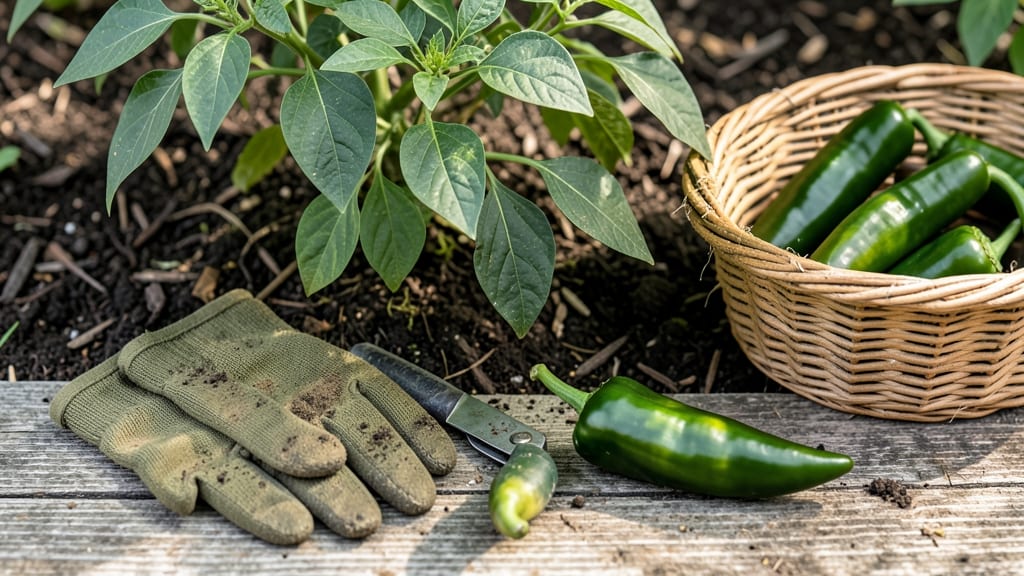
To know when to pick jalapeños, watch for three key signs before your plant bolts and the flavor fades—color shifts, stem changes, and size cues that most gardeners overlook.
Picture this: you’ve nurtured your 🌶️ plants all season, but suddenly the peppers turn bitter or rubbery. That’s bolting’s doing, and it happens faster than you think.
The secret? Harvesting at the exact moment when the pepper’s skin yields slightly under gentle pressure, the stem snaps cleanly, and the color hints at peak heat.
Why does timing matter so much? Jalapeños develop capsaicin—the compound that gives them heat—gradually, but once they bolt, that window closes. Too early, and you’re left with mild, seedy peppers.
Too late, and the flavor turns harsh. Below, I’ll walk you through the visual and tactile clues that guarantee a harvest bursting with the right balance of spice and sweetness.
You’ll also learn the best way to pluck them—twist or cut?—and how to store your haul so the heat stays sharp for weeks. No more guessing games, just bold, flavor-packed jalapeños every time.

3 Visual cues to harvest jalapeños at peak flavor before bolting
There's nothing worse than biting into a jalapeño that's either too mild or painfully overripe—both signs you missed the perfect harvest window. Most gardeners focus on color alone, but the real magic happens when you combine size, texture, and stem cues into a simple checklist.
I've learned the hard way that ignoring these subtle signals leads to wasted peppers or plants bolting before they reach peak flavor.
Jalapeños develop in three distinct stages, each with its own flavor profile and heat level. The first stage is all about growth, the second locks in that signature jalapeño kick, and the third—if you wait too long—turns your harvest into a mushy disappointment.
The key is catching them in that second stage, where the skin transitions and the stem gives just enough to tell you it's time to pick.
-
1. Size Matters: 3-5 Inches Long
Jalapeños are ready when they reach 3-5 inches in length. Use a ruler or compare to your thumb—if it's longer than your middle knuckle to fingertip, it's prime time. Smaller peppers (under 2 inches) are still developing their capsaicin and flavor.
-
2. Skin Texture: Slight Give When Pressed
Press a pepper gently with your thumb. If the skin yields slightly but isn't mushy, it's ready. Overripe peppers feel soft and may have wrinkled skin. Underripe ones stay rock-hard—like biting into a tiny green baseball.
-
3. Stem Cue: White Pith at the Base
Twist the pepper gently near the stem. If you see a white pith core (about 1/8 inch thick), it's ready. Green stems mean it's too early, while brown or shriveled stems signal overripeness. This is the most reliable trick I've found!
Don't rely on color alone—jalapeños can stay green even when fully ripe, especially in cooler climates. Some varieties, like the 'Red Jalapeño', turn red when fully mature, but most standard green jalapeños need those three visual cues to confirm readiness.
I once harvested a batch based on color alone, only to discover they were underripe and bland—a lesson that changed how I garden forever.
Another pro tip: Harvest in the morning when peppers are cool and crisp. This is when their flavor and heat levels peak. Waiting until afternoon can make them wilt slightly, reducing their quality.
I always set a timer to check my plants first thing—it's amazing how quickly they go from perfect to past-their-prime in just a few hours.
If you're growing jalapeños for roasting or drying, you can wait slightly longer until they reach 5-6 inches, but for fresh eating or pickling, stick to the 3-5 inch rule.
Overripe peppers lose their snap and develop a mealy texture, which is a shame because their flavor peaks right before they turn mushy. Trust me, your taste buds will thank you for paying attention to these details.
One common mistake I see is confusing bolting with ripeness. When jalapeño plants bolt (send up a flower stalk), they redirect energy away from fruit production. If your plant bolts too early, the peppers it does produce may be small, seedy, and bitter.
That's why these visual cues are so critical—they help you beat the clock before bolting ruins your harvest.
For container gardeners, keep an eye on crowded peppers. If your plant is producing more than it can handle, the earliest ones will be the most flavorful. Remove any yellowing or shriveled leaves near the base—they signal stress, which can make peppers tougher and less flavorful.
Prune strategically to encourage larger, tastier peppers on the remaining branches.
Finally, store your freshly picked jalapeños in a paper bag in the fridge for up to a week. This slows down ethylene gas production, which can speed up spoilage.
I keep a small bag in my kitchen and always harvest a few extra to enjoy later—it's the best way to avoid waste and always have fresh peppers on hand for cooking or snacking.
Mastering these three visual cues will transform your jalapeño harvest from hit-or-miss to consistently delicious. Next time you're in your garden, take a moment to really examine the peppers—your future meals will thank you! 🌱
Why harvesting too early or late ruins jalapeño flavor and heat
Jalapeños aren't just any vegetable—they're a flavor and heat powerhouse that develops through precise stages. When you harvest too early, you miss the capsaicin peak, which gives them their signature kick. Too late, and the sweetness fades, leaving you with bitter, rubbery peppers.
The science behind this is fascinating: capsaicin production ramps up as peppers mature, but only until a certain point. After that, the plant shifts energy to seeds, and the pepper's texture and taste degrade.
Think of it like a flavor clock—jalapeños have a narrow window where they're at their best. This window opens when the pepper reaches 3-5 inches and closes when it starts to soften or develop wrinkles.
Missing this window means sacrificing that perfect balance of spice and sweetness that makes jalapeños so beloved. I learned this the hard way when I waited too long one season, and my once-prized harvest turned into a batch of bland, seedy peppers that were barely worth eating.
The ideal harvest window is when jalapeños hit that sweet spot between 3-5 inches and still feel firm with a slight give. This is when capsaicin production is at its peak, delivering that perfect balance of heat and sweetness.
If you pick too early, the peppers lack the full flavor development and heat potential they're capable of. I once tasted a batch of underripe jalapeños straight from the plant, and they were so mild I barely noticed the spice—definitely not the experience I was hoping for.
On the other hand, overripe jalapeños become mealy and bitter as they focus energy on seed production. The capsaicin levels might even spike, but the flavor becomes unbalanced and unpleasant.
I've seen gardeners leave peppers on the vine too long, only to end up with a harvest that's more trouble than it's worth. The key is to act quickly once you spot those visual cues—don't wait another day, or you might miss your chance for peak flavor.
Temperature also plays a role in this process. Cooler nights can slow down ripening, while hot days speed it up. This is why jalapeños grown in hotter climates often ripen faster and may need more frequent harvesting.
I've noticed this firsthand in my own garden—during heatwaves, my peppers seem to mature in record time, while cooler seasons stretch out the harvest window. Paying attention to these environmental cues can help you adjust your harvesting schedule accordingly.
For those who love to experiment, you can leave a few peppers on the vine to turn red if you're growing a red jalapeño variety. These will develop even more sweetness and complexity, but they'll also be softer and best used quickly.
The trade-off is worth it for the unique flavor, but don't expect them to last long once they reach this stage. I always save a couple to try this approach, and it's amazing how different they taste compared to their green counterparts.
Remember, the goal is to harvest at peak ripeness when the pepper is at its most flavorful and balanced. This ensures you get the most out of your hard work and enjoy jalapeños that pack that perfect punch of heat and sweetness.
With these insights, you'll be well on your way to mastering the art of jalapeño harvesting—no more bitter surprises or wasted peppers! 🌱