
How To
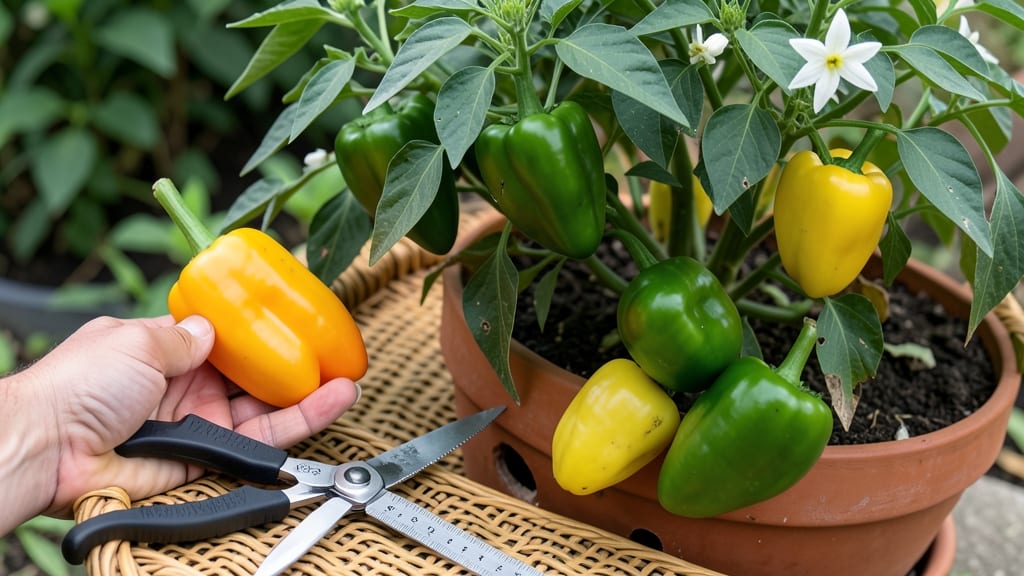
To know when to pick banana peppers 🌶️, watch for their color shifting from green to yellow or orange and a firm, glossy skin that resists gentle pressure.
Banana peppers are a gardener’s delight—crisp, sweet, and packed with flavor—but harvesting them at the wrong time can turn your culinary masterpiece into a bitter disappointment. Mastering the perfect moment to pick them ensures maximum sweetness and spice balance.
You might assume size alone determines ripeness, but environmental factors like temperature and growth stage play a bigger role. A pepper that’s the right size but still soft or pale isn’t ready, while one that’s firm and vibrant is.
Below, I’ll break down the visual cues and hands-on tests—like the flex test and stem twist method—to help you determine the ideal harvest time for the sweetest, most flavorful peppers.

Banana pepper ripening stages: color and size guide for optimal harvest
Banana peppers transform from bright green to vibrant yellow or orange as they ripen, but their flavor profile changes dramatically at each stage. Understanding these color transitions and size benchmarks ensures you harvest at peak sweetness—right when the spice-to-sugar ratio is perfect for pickling, stuffing, or fresh eating.
Most gardeners focus only on color changes, but size and firmness matter just as much. A 2-3 inch pepper with a glossy skin and slight give when pressed is typically ready, regardless of its hue.
For example, my ‘Golden Banana’ variety stays yellow until fully ripe, while ‘Sweet Banana’ peppers turn orange-red when overripe—both require different harvesting windows.
Here’s the key: Green peppers are mild but spicy, yellow/orange peppers are sweeter, and red peppers (if they develop) become bitter. The 60-90 day growth window gives you flexibility, but timing is everything for flavor.
🌱
| Stage | Color | Size (inches) | Firmness | Stem Color | Flavor Profile |
|---|---|---|---|---|---|
| Early Green | Bright green | 1-2 inches | Soft, wrinkles | Light green | Mild, spicy |
| Optimal Green | Deep green | 2-3 inches | Firm, glossy | Dark green | Balanced sweet-spice |
| Yellow/Orange | Golden yellow or orange | 2.5-4 inches | Very firm | Brownish | Sweet, mild |
| Overripe | Red or dull | 3+ inches | Soft, wrinkled | Dry, brown | Bitter, mealy |
The stem color is a hidden clue many gardeners miss. When the stem turns from light green to dark green or brownish, it signals the pepper is nearing peak ripeness.
I learned this the hard way—skipping this cue led to a batch of bitter orange peppers last summer that were unusable for pickling.
Size matters just as much as color. A 2-inch pepper is never ready, no matter how vibrant its hue. Aim for 2.5-3 inches for optimal flavor, especially if you’re growing varieties like ‘Wax Banana’, which stay yellow until fully mature.
My ‘Sweet Banana’ peppers, however, turn orange at 2 inches—so always check the variety’s guidelines.
Firmness is your final checkpoint. Gently press the pepper—if it gives slightly but doesn’t dent, it’s ready. A wrinkled or mushy pepper means it’s overripe, while a rock-hard one needs more time on the vine. This flex test is my go-to method for avoiding mistakes.
🌶️
Environmental factors like temperature and sunlight also influence ripening speed. Peppers grown in hotter climates (like my Zone 9 garden) ripen faster and may turn yellow or orange sooner. In cooler zones, they’ll stay green longer—so adjust your expectations based on your local USDA zone and average summer temps.
Pro tip: Harvest in the morning when peppers are cool and firm. This prevents bruising and ensures the best flavor. I’ve noticed that peppers picked in the afternoon heat soften faster and lose their crisp texture within hours.
The flex test and stem twist method: pro tips to determine perfect ripeness
Color alone isn’t always the best indicator of banana pepper ripeness. That’s why I rely on two simple, hands-on tests—the flex test and stem twist method—to guarantee peak flavor and texture. These techniques help me avoid the common mistake of harvesting peppers that are visually ripe but still underdeveloped.
The flex test is my go-to for checking firmness. Gently press a pepper between your thumb and index finger—if it gives slightly but springs back, it’s ready. A pepper that feels mushy or leaves an indentation isn’t ripe yet.
This test works best when combined with visual cues like glossy skin and consistent color.
🌶️ Pro Tip: The Perfect Ripeness Checklist
1. Flex Test: Press gently—ripe peppers yield slightly but spring back. 🤏
2. Stem Twist: Twist the stem—it should snap cleanly at the base. ✂️
3. Size Check: Aim for 2-3 inches long for ideal sweetness. 📏
The stem twist method is equally important. Hold the pepper firmly and twist the stem—if it snaps easily at the base, the pepper is ready to pick. A stubborn stem means the pepper needs more time on the vine.
This method works especially well for yellow or orange varieties, which can sometimes fool you with their color.
Why do these tests matter? Because color alone doesn’t account for environmental factors like inconsistent sunlight or temperature swings. A pepper might look ripe but taste bland if it didn’t get enough sun.
The flex and twist tests give you a consistent, science-backed way to judge ripeness, regardless of external conditions.
For the best results, I harvest banana peppers in the morning when temperatures are cooler. This preserves their crispness and flavor. If you miss the perfect window, don’t worry—peppers can stay on the vine for a few days, but they’ll lose some of their sweetness.
The key is to pick them at the right moment for the best balance of flavor and texture.
Once you master these techniques, you’ll never guess again when to harvest. Your banana peppers will be sweeter, crisper, and more flavorful than ever before. Happy harvesting! 🌱