
How To
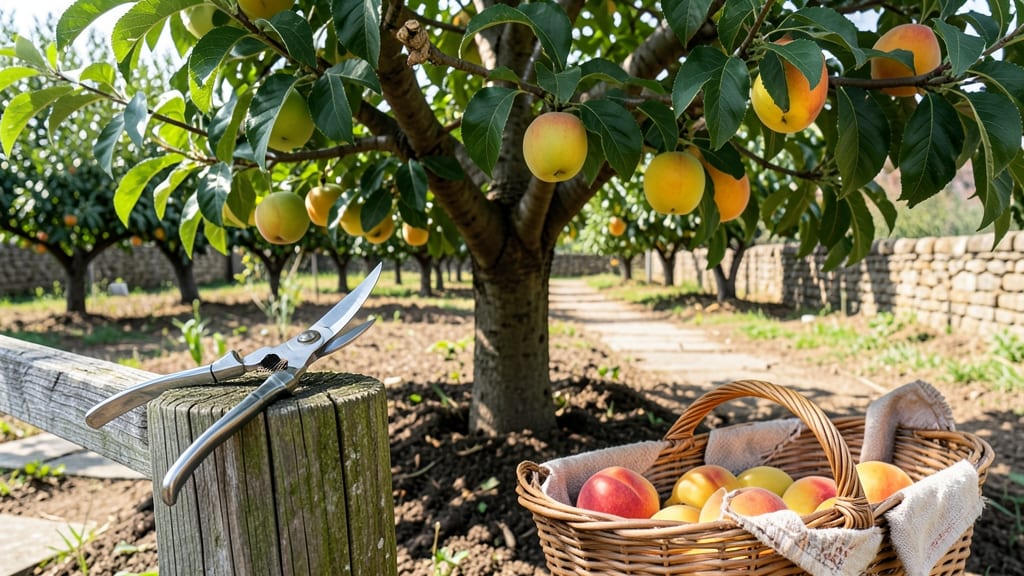
Knowing when to pick peaches means catching them at their sweetest, juiciest point—before they turn mealy or fall victim to pests or weather.
Picture this: you’ve been waiting all summer for that first perfect 🍑, and now the tree is heavy with fruit. How do you tell if it’s ripe or just hanging on?
The answer lies in a few simple cues—color shifts, the way the fruit yields to your touch, and even its scent.
In USDA Zone 6, peaches typically ripen between July and August, but timing varies by variety. Freestone types (like Elberta) often ripen earlier than clingstones, and a late spring frost can push back the harvest window. Missing the mark means either tough, underripe fruit or overripe mush.
Below, I break down the 5 key signs to harvest at peak flavor—plus how to handle them once they’re off the tree so you can enjoy that homegrown sweetness all season.

Peach ripeness checklist: 5 key signs to harvest at peak flavor
There’s nothing worse than biting into a peach that’s still hard or worse, one that’s already mushy from waiting too long. The good news? With just a few simple checks, you can tell exactly when your peaches are at their peak ripeness.
I’ve learned the hard way—overripe peaches make terrible jam, and underripe ones are just sad, mealy snacks.
Peaches don’t ripen evenly on the tree, so it’s crucial to check them individually. The best time to harvest is in the morning after a cool night, when sugars are at their highest.
Grab a small basket, and let’s walk through the 5 foolproof signs that your peaches are ready to pick.
-
1. Color Shift
Look for full color development. Green peaches aren’t ready—wait until they’ve shifted to the variety’s mature hue (yellow, white, or red-blushed). A ripe peach’s skin will have no green patches at all. -
2. Gentle Yield Test
Gently squeeze the peach—it should yield slightly (like a ripe avocado) but not feel mushy. If it’s rock-hard, it needs more time. If it’s too soft, it’s overripe. Aim for that just-right firmness. -
3. Stem Separation
Grasp the peach’s stem and twist gently. A ripe peach will separate cleanly from the tree with minimal resistance. If the stem snaps off easily, it’s ready. If it bends but won’t break, wait a few days. -
4. Sweet Aroma
Give the peach a sniff near the tree. A ripe peach will have a noticeable sweet fragrance. If it smells bland or sour, it’s not ready. Pro tip: Smell a few—some varieties (like Redhaven) have a stronger scent than others. -
5. Size Consistency
Compare the peach’s size to others on the tree. If it’s larger than 80% of the crop and meets the above signs, it’s likely ripe. Smaller peaches may need more time, while oversized ones could be overripe.
One trick I swear by? Pick peaches in stages. Not all fruit ripens at once, so harvest the ripest ones first, then check back every 2-3 days for the next batch. This way, you avoid a glut of overripe peaches and enjoy fresh ones all season.
If you’re unsure, taste test one. Cut a peach open—ripe ones will have juicy, sweet flesh with a small pit. Underripe peaches taste bland and firm, while overripe ones are mushy with a fermented smell. Trust your taste buds!
Once picked, store peaches at room temperature for 1-2 days to soften further, or refrigerate for up to a week. For long-term storage, freeze them whole or slice them for peach cobbler or smoothies later. Just don’t wash them until you’re ready to eat—the moisture speeds up spoilage.
Remember, every peach variety has its own timeline. Freestones (like Elberta) often ripen earlier than clingstones (like Redhaven). Keep a harvest journal to track your tree’s patterns year after year. Soon, you’ll be predicting ripeness like a pro!
Now grab your basket and head to the orchard—those peaches aren’t going to pick themselves! 🍑
Peach variety ripening guide: when to pick freestone vs clingstone types
Not all peaches ripen on the same schedule, and knowing whether you're growing freestone or clingstone varieties makes a big difference in harvest timing. Freestone peaches (like Elberta) detach easily from the pit, while clingstone types (like Redhaven) cling tightly—affecting when you should pick them.
In USDA Zone 6, freestones typically ripen 2-3 weeks earlier than clingstones, but temperature swings can shift this window dramatically.
For example, a late spring frost in May might delay ripening by 10-14 days, while a hot July can accelerate it. Regional adjustments matter too: Southern gardeners might harvest 1-2 weeks earlier than Northern growers due to longer growing seasons.
Understanding these differences ensures you don’t miss peak ripeness—or end up with underripe fruit.
📌 Key Tip: Always check for color change, stem separation, and aroma regardless of variety, but freestones often need picking slightly earlier than clingstones for optimal texture.
| Variety Type | Common Varieties | Ripening Window (Zone 6) | Regional Adjustment | Harvest Cue |
|---|---|---|---|---|
| Freestone | Elberta, Jubilee, Fantasia | Late July to early August | Earlier in South, later in North | Skin blushes yellow/orange |
| Clingstone | Redhaven, Suncrest, September Red | Mid-August to September | 1-2 weeks later in cooler zones | Firm but yields to gentle pressure |
If you’re growing Elberta freestones, aim to pick them in late July when the skin turns yellow with a slight blush. These varieties ripen fastest and lose quality quickly if left on the tree.
Meanwhile, Redhaven clingstones hold up longer and can wait until mid-August—but don’t delay too long, or the flesh may soften excessively.
Temperature plays a critical role: Cool nights below 60°F slow ripening, while consistent 80°F+ days speed it up. For example, in Zone 7, freestones might ripen by early July, while in Zone 5, they could stretch into mid-August.
Always monitor your local 10-day forecast—a heatwave can push peaches to ripeness faster than expected.
Once picked, freestones should be used within 3-5 days for best flavor, while clingstones can last slightly longer due to their firmer texture. Store them at 32-40°F to slow ripening, and avoid refrigerating until fully ripe to prevent mealiness. With these variety-specific tips, you’ll never miss the sweetest moment again!