
How To
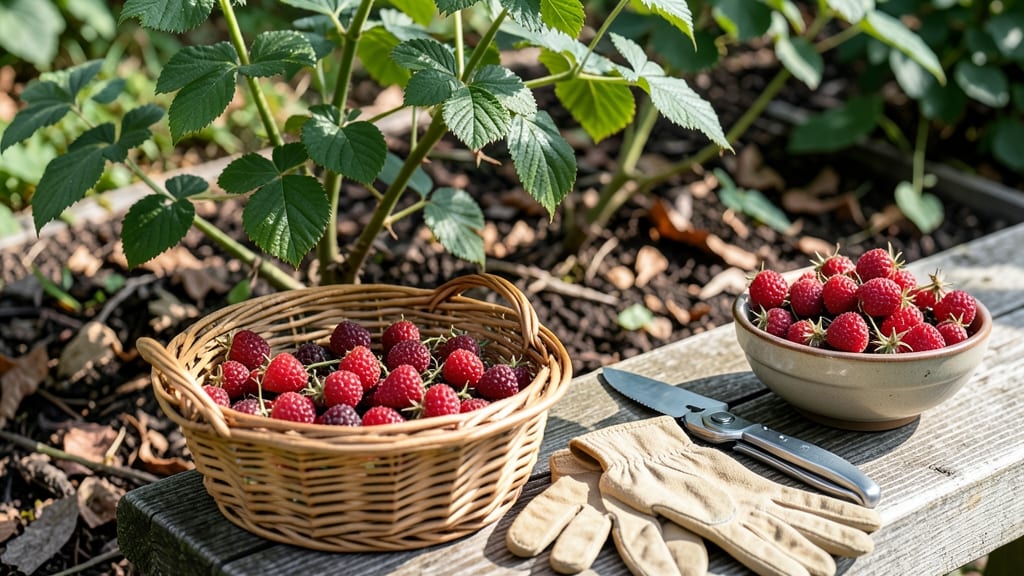
Harvesting raspberries at the right time transforms bitter, mealy berries into sweet, juicy perfection 🍇 — and timing is everything.
Picture this: you’re reaching for a cluster of deep red raspberries, only to find them bland or even sour. That’s the difference between picking too early or too late, and it happens more often than you’d think.
The key? Knowing when those berries hit their flavor peak — and it’s not just about color.
In USDA Zone 6, mid to late summer is when raspberries shine, but the exact moment depends on color, firmness, and even the time of day you harvest. A berry that’s fully colored but still firm?
Not quite ready. One that’s soft and detaches easily? That’s your cue. Below, I’ll walk you through the visual and tactile cues that guarantee the best flavor every time.
You’ll also learn the best time of day to pick (hint: it’s not mid-afternoon), how to avoid common mistakes like overripe or underripe berries, and simple tricks to preserve your harvest once you’ve plucked it. Ready to turn your raspberry patch into a flavor powerhouse?

How to tell when raspberries are fully ripe (color, size & firmness guide)
Nothing beats the taste of a perfectly ripe raspberry—sweet, juicy, and bursting with flavor. But picking them too early or too late ruins the magic. The key is knowing exactly when those bright red (or deep purple for black raspberries) berries are ready to pluck.
I’ve learned the hard way that green or mushy raspberries taste bland or even bitter, so here’s how to nail the perfect harvest every time.
Raspberries ripen quickly, often within 24-48 hours, so timing matters. You’ll need to check three things: color, size, and firmness. Skip one, and you risk underripe or overripe fruit.
The good news? These cues are easy to spot once you know what to look for—no fancy tools required!
Let’s start with color, the easiest cue to spot. Fully ripe raspberries should be a vibrant red (for red varieties) or deep, rich purple (for black raspberries). If you see even a hint of green, the berry isn’t ready yet—those chlorophyll-rich spots mean it’s still developing.
Pro tip: Check the underside of the berry too, as some varieties stay green longer on the bottom.
Next, size matters. A ripe raspberry should measure about 1 to 1.5 inches in length. If they’re smaller, they’re likely still growing. Overly large berries might be overripe or splitting, which happens when they absorb too much water. Look for uniform plumpness across the cluster—this means they’ve ripened evenly.
Now for the firmness test, my favorite trick for nailing the perfect harvest. Gently squeeze a berry between your thumb and forefinger. It should feel slightly soft but still hold its shape—like a ripe avocado.
If it’s rock-hard, it’s underripe. If it’s mushy or squishy, it’s past its prime. This test is foolproof for avoiding mealy, flavorless raspberries.
Here’s a method I swear by: the pluck-and-squeeze technique. Gently pull a berry from the cluster. If it detaches easily with just a slight tug, it’s ready. If it resists or the core stays attached, wait another day.
This works especially well for fall-bearing varieties, which produce two crops in one season and can ripen unevenly.
Uneven ripening is a common issue, especially in hot or humid climates. Some berries on the same cluster might ripen faster than others. My solution? Harvest the ripe ones first, leaving the greener ones to mature.
This prevents overripe berries from spoiling the whole cluster. For large canes, check the top and bottom of the plant—they often ripen at different rates.
One mistake I used to make was harvesting based on color alone. I’d pick berries that looked ripe but felt firm, only to discover they were bland. Now, I always combine all three cues: color, size, and firmness.
This ensures I get the sweetest, juiciest raspberries every time. Trust me, your taste buds will thank you!
Finally, timing your harvest right also means checking the time of day. Raspberries are sweetest in the morning after the dew has dried but before the heat of the day sets in.
Avoid picking in the afternoon when sugars can convert to starches, making them less flavorful. With these tips, you’ll never miss the perfect raspberry again!
Best time of day and season to harvest raspberries for maximum sweetness
Timing your raspberry harvest isn’t just about waiting for them to turn color—it’s about temperature, sunlight, and seasonal cues that transform bland berries into flavor explosions.
In USDA Zone 6, most varieties ripen between mid-July and early September, but the exact window shifts depending on whether you’re growing summer-bearing or fall-bearing types.
Summer-bearing raspberries (like Heritage or Nova) produce one massive crop in late June to August, while fall-bearing varieties (like Heritage Gold) stretch fruiting into September and October.
The key? Harvesting when sugars peak—and that’s not always when the berries first change color. Cool mornings and warm afternoons play a surprising role in flavor development, too.
🌱 Numbered Highlights: When to Harvest Raspberries for Peak Flavor
- 1. Morning Harvest: Pick between 7-9 AM when temperatures are cool (60-70°F)—this preserves sweetness and prevents berries from overheating in the sun.
- 2. Summer-Bearing Peak: Harvest summer varieties in July-August when berries are fully colored and slightly soft to the touch.
- 3. Fall-Bearing Extension: For fall-bearing types, harvest continues into September-October—stop before first frost (typically mid-October in Zone 6).
- 4. Avoid Midday Heat: Never harvest in peak afternoon sun (after 11 AM)—berries lose flavor fast when exposed to 85°F+ temperatures.
- 5. Regional Adjustments:
- Northern Zones (5-6): Harvest 1-2 weeks later than Zone 6 due to cooler summers.
- Southern Zones (7-9): Start harvesting 2-3 weeks earlier—heat accelerates ripening.
- 6. Post-Harvest Test: If a berry squishes slightly when gently pressed and pulls away cleanly, it’s ready. If it’s too firm or mushy, wait or skip it.
Temperature matters more than you’d think. Raspberries develop their signature sweetness when days are warm but nights stay cool. In Zone 6, aim to harvest when daytime highs hit 75-85°F—any hotter, and sugars convert to starches, dulling flavor.
That’s why morning picks often taste superior to afternoon ones, especially in July’s peak heat.
Don’t overlook the seasonal shift for fall-bearing varieties. These raspberries keep producing into autumn, but their flavor peaks in early September before the plant’s energy shifts to winter prep.
If you wait too long, berries become seedy and mealy, a classic sign of overripeness. Pro tip: Harvest every 2-3 days during peak season to encourage more fruit.
Regional tweaks are critical. Gardeners in Zone 7+ might start harvesting as early as June, while those in Zone 5 could extend into late September. Pay attention to your local last frost date—fall-bearing raspberries need at least 100 days of warm weather to ripen fully.
Use a harvest journal to track your plant’s rhythm over years for perfect timing.
One final trick: Harvest on overcast days if you’re behind schedule. Cloud cover slows sugar breakdown, keeping berries fresher longer. And always use clean, sharp scissors or pruners to avoid crushing—damaged berries spoil faster and attract pests.
With these cues, you’ll go from bitter disappointments to sweet, jammy perfection every time. 🍇