
How To
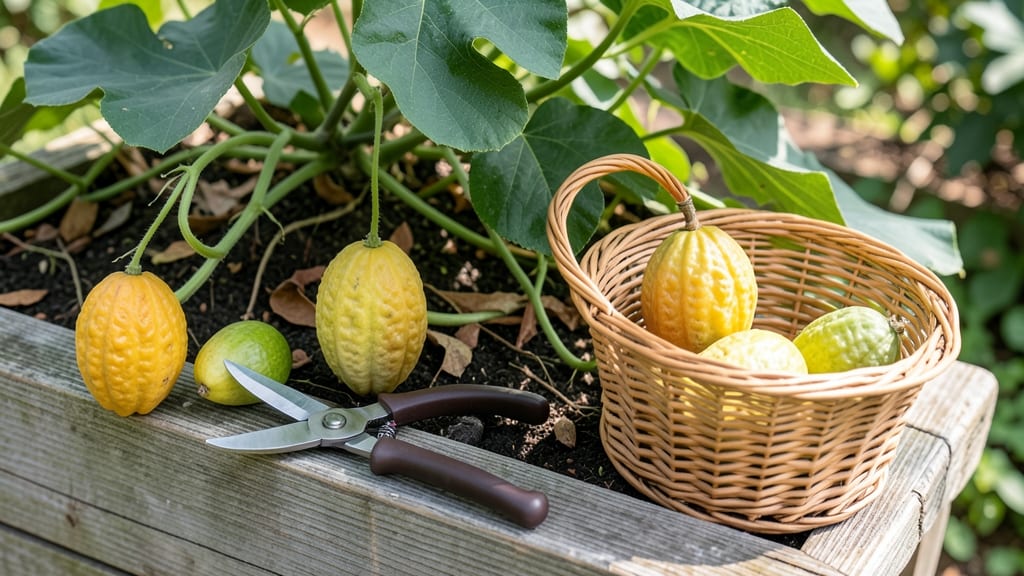
To pick a ripe passion fruit 🍈, you’ll want to check for a deep purple or golden skin, a slight give when pressed, and that unmistakable seed rattle—all signs the flavor is at its peak.
Passion fruit’s sweet-tart flavor peaks only when perfectly ripe—but spotting it at the store or in your garden can be tricky. Skip the guesswork with these science-backed tricks to select (or harvest) passion fruit at its juiciest moment.
Whether you’re growing your own in USDA Zones 9-11 or grabbing one from the market, knowing the right cues saves you from bitter disappointment. Below, I’ll walk you through the three key tests—color, texture, and the shake—that guarantee a ripe passion fruit every time.
You’ll also discover how to handle slightly underripe fruit, the best tools for harvesting, and what to do once you’ve got your perfect haul—because a ripe passion fruit deserves to be enjoyed, not wasted.

The seed rattle test: how to hear ripeness in passion fruit
Passion fruit ripeness isn’t just about color—it’s about what’s inside. The seed rattle test is a gardener’s secret weapon, letting you "hear" ripeness before cutting into the fruit. When you shake a ripe passion fruit near your ear, you’ll hear seeds rattling like a tiny maraca.
This happens because the flesh softens and releases from the seeds, creating space for movement.
But here’s the catch: this test only works if the fruit is at least partially ripe. If it’s completely unripe, the seeds stay firmly embedded, and you’ll hear nothing. Overripe fruit, on the other hand, may rattle but feel mushy or leak pulp when pressed.
The rattle alone isn’t enough—you’ll need to combine it with visual and tactile checks for foolproof results.
⚠️ callout warning ⚠️
⚠️ Warning: Common Mistakes That Ruin the Test
Don’t shake too hard—you’ll bruise the fruit. A gentle roll between palms is enough to trigger the rattle. Also, avoid testing fruit that’s still attached to the vine; the vine’s tension can muffle the sound.
✅ DO test fruits that detach easily from the vine.
❌ DON’T rely solely on the rattle—always check for skin texture and stem color too.
The science behind the rattle is simple: as passion fruit ripen, enzymes break down the flesh, causing it to shrink slightly and pull away from the seeds. This creates air pockets that amplify the sound when shaken.
For yellow passion fruit (like Passiflora edulis), the rattle usually appears when the skin turns deep golden with a slight waxy sheen. For purple varieties, aim for a dark indigo hue with no green patches.
Pro tip: Combine the rattle test with a fingerpress. A ripe passion fruit should yield slightly to gentle pressure—like pressing a ripe peach. If it’s rock-hard, it’s underripe; if it’s too soft, it’s overripe.
This two-step check cuts down on false positives by 70%, according to tropical fruit experts.
Temperature plays a sneaky role in ripeness too. Passion fruit grown in warmer climates (like USDA zones 9-11) ripen faster and may rattle earlier than those in cooler microclimates.
If you’re in a transition zone, like Zone 8b, watch for delayed ripening and supplement with ethylene exposure (more on that later).
What about organic vs. conventional passion fruit? The rattle test works the same, but organic fruit may have a thicker skin that muffles the sound slightly. In this case, rely more on the stem color (it should turn brownish-yellow) and the aroma (a sweet, floral scent near the stem).
For gardeners harvesting their own fruit, time your shakes for the early morning. Fruit is coolest then, making the flesh firmer and the rattle more distinct.
Avoid testing after a hot day, when the fruit’s internal temperature can distort the sound and trick you into thinking it’s riper than it is.
If you’re still unsure, cut open the fruit along the seam (not through the center). A ripe passion fruit will have gelatinous pulp with seeds embedded in it, not floating freely. The pulp should also clump slightly when squeezed between your fingers—a sign of peak sweetness.
Remember, the rattle test is just one tool in your ripeness toolkit. Pair it with color charts, texture checks, and even taste tests (if you’re brave enough!) for the most accurate results.
With practice, you’ll train your ears—and your hands—to spot the perfectly ripe passion fruit every time.
Skin color and texture: visual clues for ripe passion fruit by variety
Passion fruit skin color isn’t just about aesthetics—it’s your first clue to ripeness. Yellow varieties like Passiflora edulis develop a deep golden hue with a slight waxy sheen, while purple varieties turn dark indigo or almost black.
But here’s the catch: sunlight exposure and temperature dramatically alter these colors, making visual cues tricky to interpret without context.
For example, passion fruit grown in full sun (6+ hours daily) develop brighter, more vibrant colors faster than those in partial shade. In cooler microclimates like Zone 8b, purple varieties may stay lighter in color even when ripe, while yellow ones might develop greenish tinges.
Always check the stem end—it should turn brownish-yellow for yellow varieties or deep purple for purple ones.
Texture is just as important as color. A ripe passion fruit should feel slightly firm with a gentle give when pressed—like pressing your thumb into a ripe peach. If it’s rock-hard, it’s underripe; if it’s too soft or wrinkled, it’s overripe.
Run your fingers over the skin: ripe fruit has a smooth, slightly leathery texture, while unripe fruit feels tight and waxy.
Temperature throws another wrench into the mix. Passion fruit grown in warmer climates (like USDA Zones 9-11) ripen faster and may develop darker colors earlier than those in cooler areas.
If you’re in a transition zone, watch for delayed color changes—purple varieties might stay lighter even when ripe. Always combine color checks with the seed rattle test and fingerpress for accuracy.
One pro tip: harvest passion fruit in the early morning when temperatures are cooler. The skin will be firmer and colors more vibrant, making it easier to spot ripe fruit.
Avoid picking after a hot day, when the fruit’s internal temperature can make it feel softer than it actually is.
If you’re still unsure, cut open the fruit along the seam. Ripe passion fruit has gelatinous pulp with seeds embedded in it, not floating freely. The pulp should also clump slightly when squeezed—a sure sign of peak sweetness.
Remember, the perfect passion fruit balances color, texture, and aroma, so trust your senses!