
How To
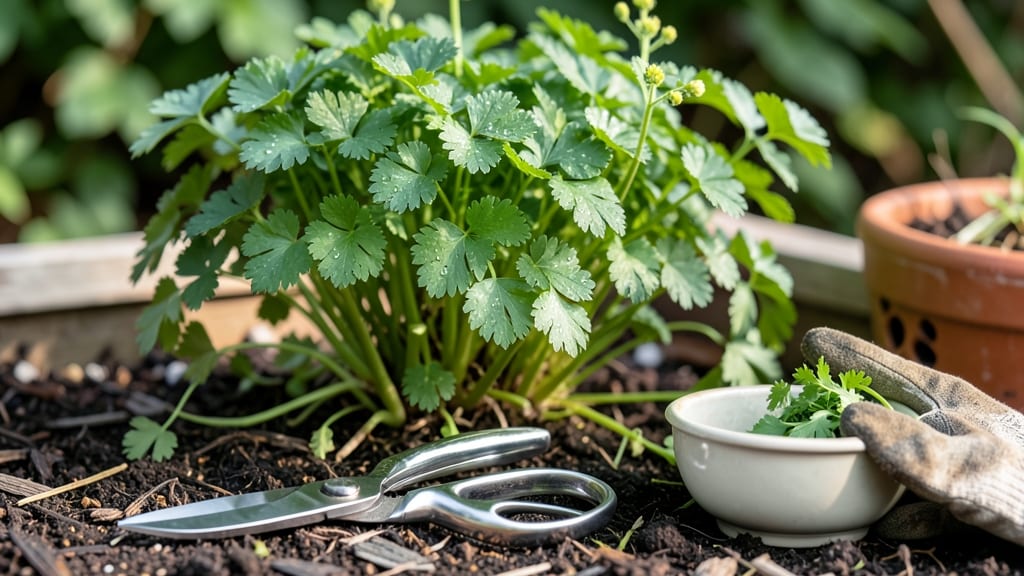
To pick fresh parsley 🌿 that stays crisp and flavorful, focus on leaf color, stem firmness, and seed head absence—these are the real tests of quality.
Ever grabbed a bunch at the store only to find wilted stems or bitter leaves at home? You’re not alone. The difference between a vibrant, flavorful herb and a sad, limp handful lies in knowing exactly what to look for—and what to avoid—before you even bring it inside.
In your garden or at the market, parsley’s deep green leaves and snappy stems are your best friends. But here’s the kicker: seed heads and yellowing edges can turn your perfect dish into a flavor disaster.
I’ll show you how to spot these hidden clues and harvest parsley that keeps giving.
From the ideal cutting technique to storage tricks that extend freshness, you’ll learn how to pick parsley that tastes like it just came from the garden—even if it’s been sitting in your fridge for days.

5 Key signs of fresh parsley in leaf color, texture, and stem
When you’re picking fresh parsley, the first thing to check is the leaf color. Vibrant parsley boasts a deep, glossy green hue—think of it like the rich color of a well-tended garden bed.
If the leaves look dull or have yellowing edges, that’s a red flag. Yellowing often means the parsley is either overripe or stressed from too much sun or not enough water.
I always run my fingers over the leaves to test their texture. Fresh parsley leaves should feel smooth and slightly waxy to the touch, almost like a well-watered basil leaf.
If they feel rough or papery, it’s a sign the parsley has been sitting too long and is losing its crispness. This texture test is your secret weapon for spotting parsley that’s still at its peak.
Now, let’s talk about the stem. A fresh parsley stem should be crisp and firm—almost like a celery stalk. If it feels mushy or hollow when you gently squeeze it, that’s a sign the parsley is past its prime.
The stem should also snap cleanly when bent, not bend or break easily. This is where the stem snap test comes into play, which I’ll dive deeper into later.
Here’s a quick trick I use: check the base of the stems for moisture. Fresh parsley should have a slight dew-like sheen at the stem base, indicating it’s been recently watered.
If the stems look dry or woody, that’s a clear sign the parsley has been neglected. Always choose bunches with stems that feel cool and hydrated to the touch.
One of the biggest mistakes people make is ignoring the seed heads. If you see brown or yellow seed stalks emerging from the center of the parsley, it’s a sign the plant is bolting.
Bolting happens when parsley matures and shifts its energy from leaf production to seed production, which makes the leaves bitter and tough. Avoid parsley with seed heads at all costs—it’s a flavor killer.
🌿 How to Pick Fresh Parsley: 5 Key Signs
- 1. Deep Green Leaves: Look for vibrant, glossy green leaves with no yellowing or browning. Avoid leaves that look dull or wilted.
- 2. Smooth Texture: Fresh leaves should feel smooth and slightly waxy. Rough or papery leaves mean the parsley is past its prime.
- 3. Firm Stems: Stems should be crisp and firm, not mushy or hollow. A gentle squeeze should feel solid, not squishy.
- 4. Moisture at the Base: Check the stem base for a slight sheen. Dry or woody stems indicate the parsley is no longer fresh.
- 5. No Seed Heads: Avoid parsley with brown or yellow seed stalks. Seed heads mean the leaves are bitter and tough.
💡 Pro Tip: Hold the parsley bunch by the stems and give it a gentle shake. Fresh parsley should rattle slightly—this means the leaves are tightly packed and full of moisture.
Another visual cue to watch for is the leaf arrangement. Fresh parsley has a compact, bushy growth pattern. If the leaves are sparse or spreading outward, it’s a sign the plant is stressed or overmature.
I always compare the parsley to a well-maintained herb garden—if it looks unkempt, it’s probably not fresh.
When you’re harvesting parsley from your garden, timing is everything. Always cut the outer leaves first, leaving the inner leaves to keep growing. This method encourages regrowth and ensures your parsley plant stays productive.
If you cut too much at once, you risk stunting the plant’s growth and ending up with a sad, leggy herb.
Finally, pay attention to the smell. Fresh parsley should have a bright, aromatic scent—almost like a mix of citrus and earth. If it smells dull or musty, it’s a clear sign the parsley has gone bad.
This scent test is a quick way to confirm what your eyes and fingers might have missed.
By keeping these 5 key signs in mind, you’ll never settle for subpar parsley again. Whether you’re shopping at the market or harvesting from your garden, these tricks will help you pick parsley that’s crisp, flavorful, and ready to elevate your dishes.
Parsley stem snap test: the secret trick for hidden freshness
The parsley stem snap test is my favorite hidden trick for spotting fresh parsley that looks perfect on the outside but is actually past its prime. This simple test reveals whether the stems are hydrated and crisp or already drying out—something you can't always tell just by looking.
I use this test every time I shop for parsley at the market or harvest from my garden, and it's saved me from bringing home wilted herbs more times than I can count.
Here's how it works: hold a parsley stem between your thumb and forefinger and gently bend it. A fresh stem will snap cleanly with a sharp, crisp sound, almost like breaking a celery stalk. This sound means the stem is full of moisture and structural integrity.
If you hear a dull thud or the stem bends instead of snapping, that's your cue to put the bunch back—it's already on its way to spoilage.
🌿 How to Perform the Parsley Stem Snap Test
- Grip the stem about 2 inches from the base
- Bend it gently but firmly (don't crush it)
- Listen for a sharp snap (fresh) vs dull bend (old)
- Check multiple stems in the bunch
Why it works: Fresh stems contain high water content that creates that satisfying snap. As parsley dries out, the cell structure breaks down, making stems bend instead.
The sound difference between fresh and old parsley is actually quite dramatic. Fresh parsley makes a bright, almost musical snap, while old parsley produces a flat, hollow sound—kind of like tapping a dry twig.
This test works because parsley stems are mostly water when fresh, and that water creates the crisp resistance you hear when they snap. When parsley starts to wilt, the water content drops, and the stems become more fibrous and less responsive.
Don't just test one stem—check 3-4 stems from different parts of the bunch. Sometimes the outer stems look good but the inner ones are already drying out. I've found that parsley bunches often have a few good stems mixed with some that are already past their prime.
This is why the snap test is so valuable—it reveals the hidden condition of the entire bunch. If more than one stem fails the test, it's time to walk away from that bunch.
This test also helps you distinguish between flat-leaf and curly parsley. Both varieties should snap crisply when fresh, but curly parsley stems tend to be slightly more delicate.
If you're buying curly parsley, be extra gentle with the snap test—its stems are thinner and may snap more easily, but they should still make that satisfying sound. The snap test works equally well for both types, making it a universal trick for any parsley variety.
Remember that the snap test isn't just about freshness—it's also about flavor preservation. Parsley that's already starting to wilt will develop bitter flavors as it tries to conserve energy. That crisp snap you hear?
It's your guarantee of maximum flavor and minimum bitterness in your cooking. Next time you're selecting parsley, skip the guesswork and give the stems a bend test—your taste buds will thank you.