
How To
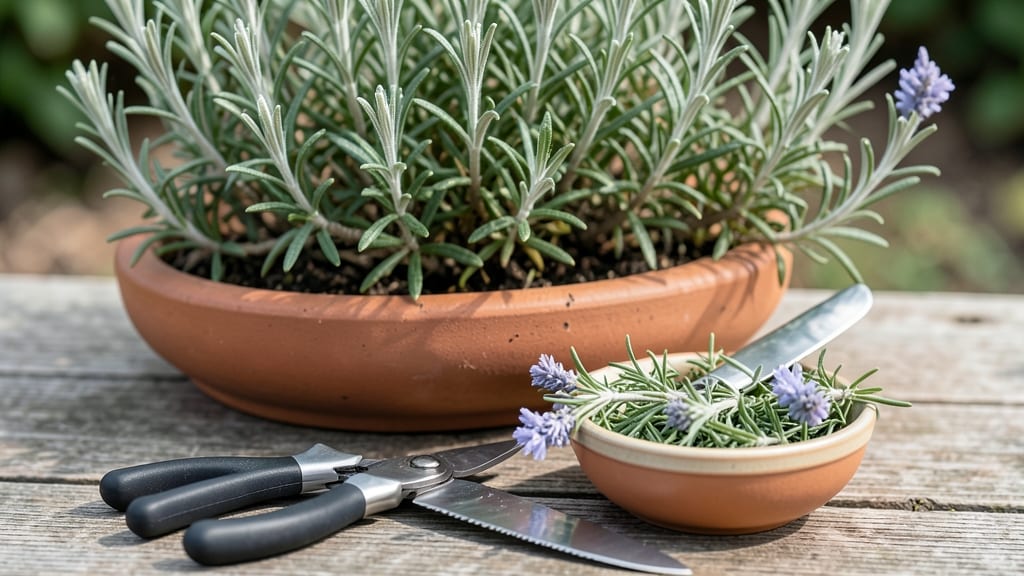
To pick fresh rosemary, focus on vibrant green needles that snap cleanly with a satisfying crackle—this simple test reveals whether the herb is at its peak flavor and aroma.
That fragrant, pine-like scent isn’t just a bonus; it’s your first clue that the rosemary is fresh and ready for use. But how do you tell if the sprigs in your grocery store or garden are truly the best?
A little know-how turns this into an easy skill, not a guessing game.
Beyond the snap, look for deep green needles that feel firm to the touch and stems that bend without breaking. Avoid anything that’s yellowing, brittle, or smells dull—those are signs the rosemary has lost its potency.
Once you’ve picked the perfect sprigs, you’ll want to keep them fresh for as long as possible. I’ll show you the best ways to store rosemary—whether you’re using it in cooking, drying it for later, or even reviving wilted stems to save your dish.

The rosemary needle snap test: how to identify perfect freshness
Fresh rosemary isn’t just about the smell—it’s about the sound and feel of the stems. The needle snap test is my go-to trick for spotting the best sprigs in seconds. When you gently bend a needle and hear a crisp, crackling sound, you’ve found rosemary at its peak.
This test reveals moisture levels and structural integrity, two key factors in flavor and freshness.
Start by selecting a healthy-looking sprig with vibrant green needles. Hold the stem near the base and bend one of the needles slightly backward. If it snaps with a sharp, crackling noise (almost like celery), that’s your green light.
A dull thud or no sound at all? Move on—this rosemary has lost its vitality.
Why does this work? Fresh rosemary needles contain high moisture, which creates that satisfying snap. As the herb dries out, the needles lose their crispness and become brittle. This simple test cuts through the guesswork, especially when comparing store-bought bundles or garden harvests.
Here’s how to perform the test like a pro—follow these steps to never doubt your rosemary selection again:
Fresh rosemary should also have firm stems that bend but don’t break easily. If the stem snaps cleanly without bending, it’s likely overripe or dried out. The needles should feel slightly springy, not mushy or limp. This flexibility is another clue that the herb is hydrated and full of flavor.
Color is another critical clue. Look for deep green needles with no yellowing or brown spots. Yellowing is a sign of age or stress, while brown spots can indicate fungal issues or poor storage. Store-bought rosemary often loses its vibrancy quickly, so prioritize bundles with the richest color.
Seasonal variations matter too. In spring and summer, rosemary is at its freshest, with the most intense aroma and crispest needles. During winter months, even high-quality rosemary may lose some of its snap, so double-check with the needle test before purchasing.
If you’re harvesting from your own garden, aim to pick rosemary in the morning after the dew has dried—this ensures maximum freshness.
Once you’ve mastered the snap test, you’ll notice a difference in both the aroma and flavor of your rosemary. Fresh sprigs add a bright, piney note to dishes, while older or dried rosemary can taste dull or bitter.
Keep this test in mind the next time you’re at the market or trimming your garden—your taste buds will thank you!
Pro tip: If you’re unsure about a sprig, perform the snap test on multiple needles. Consistency is key—if most needles pass the test, you’ve likely found your perfect rosemary. Store it properly (we’ll cover this in the next section), and you’ll enjoy its vibrant flavor for weeks.
Beyond the snap: 5 key signs of high-quality fresh rosemary
Now that you’ve mastered the needle snap test, let’s dive deeper into what makes rosemary truly exceptional. The best sprigs go beyond just making a satisfying sound—they also boast vibrant texture, rich color, and an intense aroma that’s impossible to ignore.
These five key signs will help you spot premium rosemary every time, whether you’re shopping at the market or harvesting from your garden.
First, examine the leaf texture. High-quality rosemary should have needles that feel firm yet flexible, almost like fresh celery. Run your fingers along the sprig—if the needles feel slightly springy and resist crushing, that’s a great sign.
Avoid rosemary with limp, mushy, or brittle needles, as these indicate dehydration or age. For store-bought bundles, gently squeeze the stems; they should give slightly but not collapse.
Next, check the stem color. Fresh rosemary stems should be a pale green or light brown hue, never dark or woody. Dark, hardened stems are a red flag—they’ve been cut too long ago or stored improperly. Look for stems that are still flexible but not rubbery.
If the stem feels stiff and breaks easily, it’s past its prime. This is especially important when comparing garden-fresh rosemary to store-bought bundles, which often have older stems.
The aroma intensity is another game-changer. Hold the sprig close to your nose and take a deep breath. High-quality rosemary should have a bold, pine-like scent that fills the air. If the aroma is weak or smells musty, the rosemary has lost its freshness.
Pro tip: Compare two sprigs side by side—one with a strong scent and one with a faint one. The difference in flavor will be noticeable when you use them in cooking or garnishes.
Seasonal variations play a big role too. In spring and summer, rosemary is at its freshest, with the most intense aroma and crispest needles. If you’re shopping in winter months, even high-quality rosemary may lack some of its snap.
Look for bundles labeled as "freshly harvested" or ask your local grower when the rosemary was cut. Gardeners know that rosemary picked in the morning after the dew has dried is always fresher than afternoon harvests.
Finally, inspect the base of the stem. The bottom 2 inches should be fresh and green, not woody or brown. This is where many store-bought bundles fail—they often have older, dried-out bases that can’t be revived.
If you’re harvesting from your own garden, always cut stems just above a leaf node to encourage new growth and ensure the base stays fresh. With these five signs in mind, you’ll never settle for anything less than premium rosemary again!