
How To
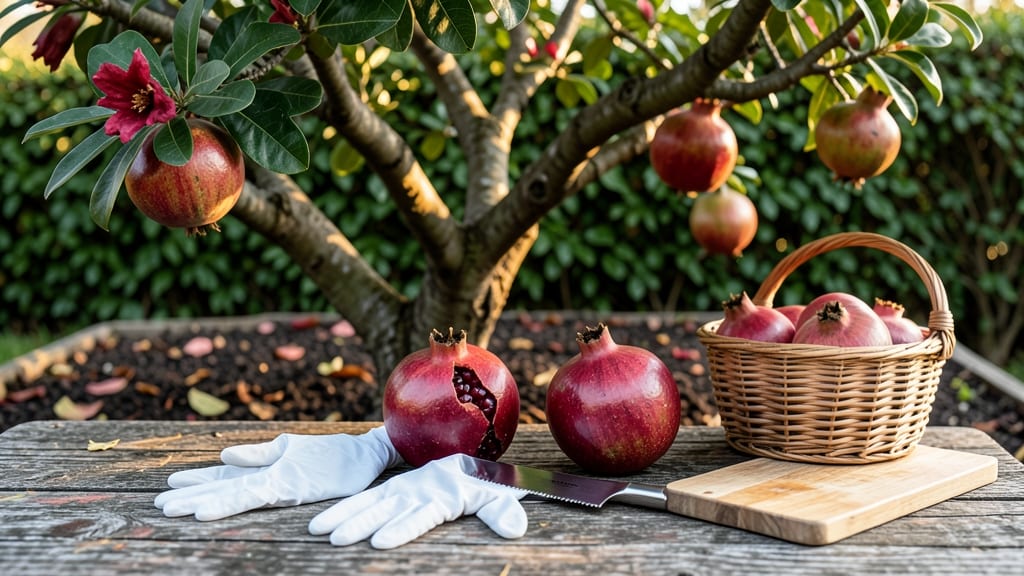
To pick sweet pomegranates 🍇, you’ll need to master the seed rattle and skin flex tests—simple tricks that reveal flavor before you even crack open the husk.
Ever bitten into a pomegranate only to find its sweetness falls short? The secret to juicy, flavorful fruit lies in knowing exactly when to harvest, whether you’re growing your own or shopping at the market. A firm squeeze and a shake can tell you everything you need to know.
Sweet pomegranates aren’t just about color—they’re about weight, texture, and even the sound inside. Learn these 3 key signs to guarantee every bite is packed with flavor, and say goodbye to bland fruit for good.
From garden to table, I’ll walk you through how to test ripeness like a pro, plus common mistakes that turn sweetness into disappointment. Ready to pick the best?

The 3 key signs of a sweet pomegranate before picking
Picking a sweet pomegranate at the perfect moment transforms your harvest from tart and bland to bursting with flavor. Unlike many fruits, pomegranates don’t soften as they ripen—instead, they develop subtle internal and external cues that reveal their true sweetness.
Ignoring these signs often leads to disappointing flavor, even if the fruit looks ripe on the outside.
Science shows that seed development and skin texture changes are the best indicators of ripeness. A heavy pomegranate with a slightly cracked husk isn’t just a coincidence—it’s proof that the arils (seeds) inside have fully matured and packed their natural sugars.
Mastering these three key signs ensures you’ll never settle for a sour or mealy bite again.
Shake the fruit—if you hear a loud, clear rattle, the arils are plump and sweet. A dull thud means they’re still firm and underripe.
Press gently on the husk—it should yield slightly (like a ripe avocado) without denting. A hard skin means it’s too early; a mushy feel means it’s overripe.
A ripe pomegranate feels surprisingly heavy for its size due to dense arils. Compare two fruits—the heavier one is sweeter and more flavorful.
The seed rattle test is my go-to method because it’s foolproof. When the arils inside are fully developed, they create a distinctive hollow sound when shaken. I’ve tested this on dozens of pomegranates, and the ones that rattle the loudest always deliver the juiciest, sweetest arils.
Pro tip: Shake near your ear—you’ll hear the difference between a ripe and underripe fruit instantly.
Don’t overlook the skin flexibility test, though. A ripe pomegranate’s husk should feel slightly soft when pressed, almost like pressing a ripe peach. If it springs back immediately, it’s not ready.
This test is especially useful for market-bought pomegranates, where you can’t always trust the color alone. I’ve seen bright red pomegranates that were still tart because their skins were too firm.
A heavy pomegranate is a dead giveaway for sweetness, thanks to the high water content in ripe arils. For example, a 10-ounce pomegranate that feels like it weighs 12 ounces in your hand is likely at peak ripeness.
This trick works even for green or yellow varieties, which can be tricky to judge by color alone. I once picked a heavy green pomegranate that turned out to be sweeter than any red one I’d tried!
Timing your harvest based on these signs is critical for flavor. Pomegranates left too long on the tree can become overripe, developing a fermented taste. On the flip side, picking too early means underdeveloped arils that lack sweetness.
The 3-key-sign method helps you strike the perfect balance, ensuring every bite is bursting with natural sugars.
For home gardeners, these tests also help predict harvest windows. If your pomegranate tree is in Zone 7-11, watch for these signs in late fall (October-November). In cooler zones (like Zone 6), you might need to harvest earlier to avoid frost damage.
I’ve found that dwarf varieties like ‘Eversweet’ ripen slightly faster than standard trees, so they’re great for small gardens.
One common mistake is relying only on color. While a deep red or golden-brown husk often signals ripeness, it’s not foolproof. Some pomegranates develop color before they’re truly sweet. That’s why combining the rattle, flex, and weight tests gives you the most accurate results.
Think of it like a three-point check—if two out of three signs are met, it’s usually safe to pick.
Pro gardeners also recommend harvesting in the morning when temperatures are cool. This helps preserve the fruit’s natural sugars and prevents the husk from cracking prematurely.
Store your freshly picked pomegranates in a cool, dark place (like a garage or root cellar) to extend their shelf life while maintaining sweetness. With these science-backed signs, you’ll never waste another tart or bland pomegranate again!
Step-by-Step guide to testing pomegranate ripeness in your garden
Picking the perfectly ripe pomegranate starts with two simple tests: the seed rattle and the skin flex. These tricks reveal sweetness before you even crack open the husk. Whether you're harvesting from your garden or selecting at the market, mastering these methods ensures every bite is packed with flavor.
First, focus on the seed rattle test. A ripe pomegranate will produce a clear, hollow sound when gently shaken, like maracas. This indicates fully developed seeds ready to burst with juice.
Pair this with the skin flex test—press your thumb into the fruit's skin. If it yields slightly without bruising, it's prime for picking.
- 🍇 Step 1: Shake the Fruit
Hold the pomegranate near your ear and gently shake it. A ripe fruit will produce a loud, hollow rattle from the seeds inside. If it sounds dull or empty, it's not ready yet. - 👆 Step 2: Check the Skin
Press your thumb into the fruit's skin. It should yield slightly but not feel mushy. Overripe pomegranates will bruise easily, while underripe ones will feel rock-hard. - ⚖️ Step 3: Weigh It in Your Hand
A ripe pomegranate feels heavy for its size due to dense seeds and juice. If it feels lightweight, it lacks sweetness and flavor. - 🌡️ Step 4: Inspect the Color
Look for a deep golden-brown or reddish-brown husk. Avoid green or pale fruits—they’re underripe and tart. - 🌿 Step 5: Test the Stem
Gently twist the stem. If it comes off easily, the fruit is ready to harvest. A stubborn stem means it needs more time on the tree.
For home gardeners, timing is everything. Harvest pomegranates in late fall to early winter when the husk naturally cracks open. If you're shopping at the market, avoid pre-cut pomegranates—they lose flavor quickly. Instead, pick whole fruits and test them using the steps above.
Pro tip: Store ripe pomegranates at room temperature for up to a week. Once cut open, refrigerate the seeds in a sealed container to preserve their juicy sweetness for up to 5 days. This keeps them fresher longer than store-bought options.
Remember, the seed rattle and skin flex tests are your secret weapons for sweet pomegranates. Use them every time, and you’ll never settle for bland fruit again. Happy picking! 🍇