
Picking
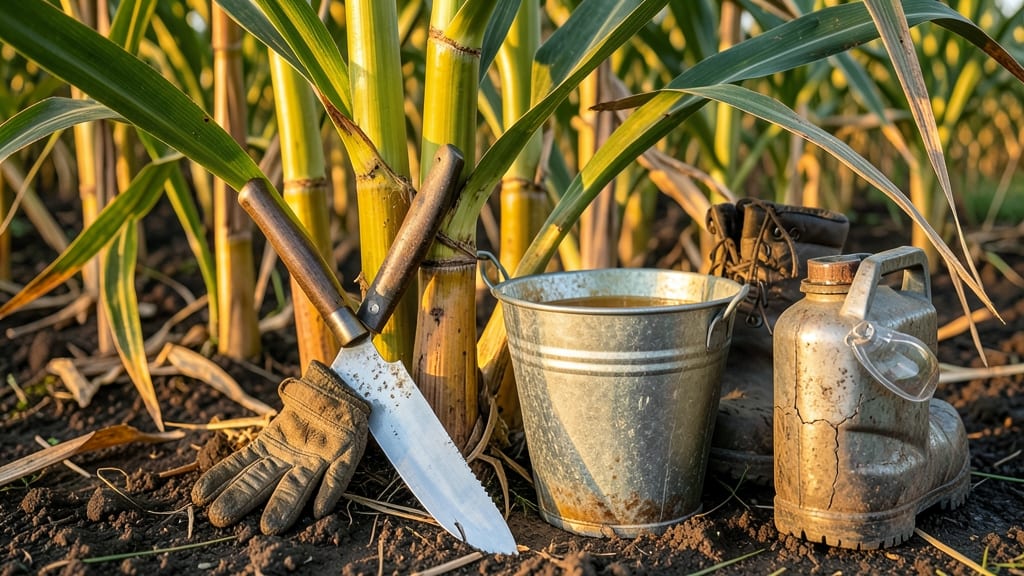
The time to harvest sugar cane 🌾 is when stalks reach 1.5-2 inches in diameter and the tops begin drying—usually 12-24 months after planting, depending on your climate zone.
Picture this: you’ve nurtured your sugar cane for over a year, only to harvest too early and end up with bitter, underripe stalks—or wait too long and watch the sweetness fade. Getting this timing right is the difference between a juicy, high-yield crop and wasted effort.
In tropical zones like Florida or Hawaii, sugar cane is ready year-round, but in cooler subtropical areas (like Zone 9b), the sweet spot is March through May, when temperatures stabilize and stalks mature faster.
Below, I’ll break down the exact months for your region, plus how to test for peak sweetness before cutting.
You’ll learn the three key signs of ripeness, how to avoid common harvesting mistakes, and post-harvest care tips to preserve that sweetness—so you can finally enjoy the reward of all that hard work.

Optimal sugar cane harvest months by climate zone for maximum sweetness
Harvesting sugar cane at the right time is everything—peak sweetness and high yields hinge on precise timing. In tropical zones, you can harvest year-round, but subtropical and temperate climates demand careful attention to seasonal cues.
Missing the window means bitter stalks and wasted effort, while perfect timing unlocks the juiciest, most profitable crop.
Sugar cane reaches maturity between 12-24 months after planting, but the exact harvest window depends on your climate zone. Tropical regions offer flexibility, while cooler areas require spring or early summer harvests.
Understanding these differences ensures you don’t miss the sweetness peak—when Brix levels (sugar content) hit their maximum.
🌡️ Temperature thresholds play a critical role: ideal harvest temps range from 75°F to 90°F. Cooler nights or sudden temperature drops can signal it’s time to harvest before sweetness declines. Pair this with visual cues like stalk thickness (1.5-2 inches) and drying leaf tips to pinpoint the perfect moment.
| Climate Zone | Harvest Window | Key Temperature | Stalk Diameter | Leaf Color |
|---|---|---|---|---|
| Tropical (Zones 10-12) | Year-round (peak: May-Oct) | 75°F-90°F | 1.5-2 inches | Drying tops |
| Subtropical (Zone 9b) | March-May (spring) | 65°F-80°F | 1.2-1.8 inches | Yellowing tips |
| Temperate (Zone 8) | June-July (early summer) | 70°F-85°F | 1.0-1.5 inches | Brown leaf edges |
In tropical zones (USDA 10-12), sugar cane thrives year-round, but May through October delivers the sweetest harvest. Temperatures stay ideal, and stalks mature faster. Look for glossy, waxy stalks and drying leaf tips—these are your go-to cues.
If you’re in Hawaii or Florida, you can even stagger harvests for continuous production.
For subtropical growers (Zone 9b), like those in Southern California or Arizona, the window narrows to March through May. Cooler nights trigger sugar accumulation, so don’t wait too long—stalks can become fibrous and bitter if left in the ground.
Aim for 1.2-1.8 inches in diameter and watch for yellowing leaf tips as your harvest signal.
Temperate zones (Zone 8) present the biggest challenge, with harvests limited to June and July. These areas require earlier planting (spring) to ensure stalks mature before summer heat sets in. Monitor Brix levels (use a refractometer) to confirm sweetness—aim for 18-22 Brix for peak flavor. If your stalks feel soft or snap easily, they’re past their prime.
Regardless of your zone, avoid harvesting after frost—even a light freeze can turn sweet stalks bitter. In tropical areas, hurricane season (June-November) can disrupt harvests, so plan ahead. If storms are forecasted, harvest early to protect your crop and ensure quality.
Pro tip: Test a few stalks before full harvest. Cut one, crush it, and taste the juice—rich, sweet flavor means you’re ready. If it’s watery or bitter, wait a few more weeks. This simple check saves time and effort in the long run.
Timing your harvest isn’t just about months—it’s about reading your plants. Combine temperature data, stalk thickness, and leaf color for foolproof results. With the right approach, you’ll enjoy juicy, sweet stalks every harvest season. 🌾
How to test sugar cane ripeness before harvesting (3 key methods)
Harvesting sugar cane at the wrong time can turn your sweet investment into bitter disappointment. The key to maximizing juice sweetness and stalk yield lies in testing ripeness using proven methods.
Unlike many crops, sugar cane doesn't ripen all at once—it matures gradually, making precise testing essential for home growers and small farmers alike.
Even experienced growers sometimes misjudge ripeness, leading to either underripe stalks (too fibrous) or overripe stalks (woody and less sweet). The good news? With just three simple techniques, you can determine the perfect harvest window with confidence.
Let's explore these methods so you can enjoy the sweetest, most flavorful sugar cane possible.
- 1 Brix Refractometer Test: The most accurate method. A Brix reading of 18-22% indicates peak sweetness. Use a handheld refractometer to measure the sugar content in freshly extracted juice.
- 2 Stalk Color & Texture: Mature stalks develop a glossy, waxy appearance and yellowing top leaves. Press a stalk—it should bend slightly but not snap. Green stalks are underripe; woody stalks are overripe.
- 3 Growth Stage Analysis: Check stalk diameter—1.5-2 inches is ideal. Count growth rings (visible when cut): 10-15 rings signal maturity. Younger stalks have fewer rings and are less sweet.
Start by testing a few stalks weekly once they reach 6-12 months old. The Brix refractometer is the gold standard for precision, but even without one, the visual and tactile checks will give you reliable results.
For example, if you press a stalk and it feels firm but yields slightly (like a ripe avocado), it's likely ready. Pair this with the waxy appearance, and you've got a winner.
Common mistakes include harvesting based solely on stalk height (tall doesn't always mean ripe) or waiting too long for the absolute largest stalks (which can become woody). Instead, focus on the diameter, color, and Brix levels.
Pro tip: Harvest in the morning when sugar content is highest due to overnight photosynthesis. This simple habit can boost your juice yield by up to 20%.
If you're growing multiple varieties, test each one separately—they mature at different rates. For instance, F16 and Badila varieties often ripen faster than POJ 2878, which may need an extra month.
Keep a harvest journal to track which stalks test best each season, and adjust your planting schedule accordingly for next year.
Remember, sugar cane continues to mature after reaching harvest size, so don't rush the process. Patience pays off with sweeter juice and higher yields. Once you master these three methods, you'll never second-guess your harvest timing again—and your taste buds (and bank account) will thank you. 🌾