
Vegetables
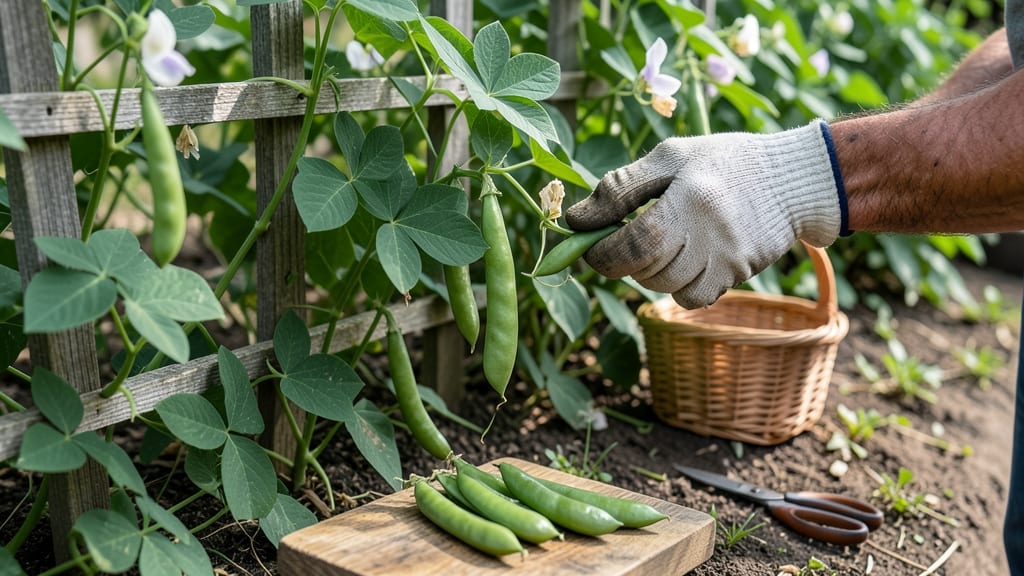
Harvesting peas at the perfect time transforms your garden into a sweet, tender feast 🌱 — and missing the window means tough, stringy pods that turn your hard work into disappointment.
Most gardeners assume "harvest time" is just about the calendar, but the real secret lies in three simple visual cues: pod size, color, and seed visibility. Ignore these, and you’ll end up with peas that are either too small or overripe.
In USDA Zone 6a, where spring peas thrive, timing matters even more. Early varieties like 'Sugar Snap' are ready by late May, while late-season types like 'Wando' hold until October. Knowing the difference ensures you don’t miss a single harvest.
Below, I’ll show you exactly how to spot perfectly ripe pods, when to pick for the best flavor, and how to stretch your harvest season—so you can enjoy fresh peas from spring through fall without a single wasted vine.

3 Visual cues to identify perfect pea pod maturity
Peas are one of those garden gems where timing truly matters. Harvest too early, and you’ll get underdeveloped pods with minimal flavor. Wait too long, and those sweet peas turn into tough, stringy messes.
The key to unlocking their full potential lies in recognizing three critical visual cues that signal peak maturity. These signs are your green thumb’s secret weapon for a perfect harvest every time.
I’ve learned through years of trial-and-error gardening that even experienced growers sometimes miss these subtle clues. The difference between a delicate, crisp pea and one that’s past its prime often comes down to paying attention to details most gardeners overlook.
Let’s break down what to look for so you never miss the window again.
🌱 3 Visual Cues for Perfect Pea Pod Maturity
-
1. Pod Size: 1.5-2 inches long
Look for pods that are plump and slightly swollen, about the length of your thumb from knuckle to tip. Anything smaller lacks sweetness, while larger pods become fibrous.
-
2. Color Change: Bright green with slight yellowing at seams
Mature pods should be vibrant green but may show tiny yellowing along the seams. This indicates the peas inside are fully developed but haven’t started converting sugars into starches.
-
3. Seed Visibility: Clearly defined but not bulging
Peek inside (gently!) to see well-formed peas that fill about half the pod’s length. If seeds are barely visible, they’re not ready. If they’re pressing against the pod walls, you’ve waited too long.
💡 Pro Tip: Snap a pod open—if it makes a satisfying crisp sound, it’s perfect for eating fresh!
Let’s start with the most obvious but often overlooked cue: pod size. When peas reach 1.5 to 2 inches in length, that’s your golden window. I measure mine against my thumb—if the pod stretches from my knuckle to the tip of my thumb, it’s ready.
Smaller pods (under 1 inch) are still developing their sugars, while larger ones become tough and fibrous. Think of it like waiting for a fruit to ripen—timing is everything.
Next, pay attention to the color transformation of the pods. Perfectly ripe peas should be bright, uniform green, but you might notice faint yellowing along the seams. This subtle shift signals the peas inside have reached maturity.
I’ve seen gardeners dismiss this as a sign of overripeness, but it’s actually the plant’s way of telling you, “I’m ready!” If the entire pod turns yellow or brown, you’ve missed your chance.
The third and most precise cue is seed visibility. Gently press a pod between your fingers—you should see clearly defined peas that fill about half the pod’s length. If you can’t see the peas at all, they’re not ready.
If they’re bulging and pushing against the pod walls, the peas have started converting sugars into starches, making them mealy and less sweet. This is where many gardeners go wrong—they assume bigger pods mean better peas, but it’s actually the opposite.
Here’s a common mistake I see: harvesting based on plant age rather than visual cues. Just because your peas have been growing for 60 days doesn’t mean they’re ready. Some varieties mature faster or slower depending on temperature and sunlight.
Always check the pod’s physical characteristics first. For example, in cooler climates, peas might take longer to reach maturity, while hotter weather can speed up the process.
Another pitfall is harvesting at the wrong time of day. Peas taste sweetest in the morning when they’ve had the night to recharge their sugars. If you wait until afternoon, the pods may have a slightly bitter taste.
I make it a habit to check my pea plants first thing in the morning with a cup of coffee—it’s the perfect way to start the day and ensure the best flavor.
For sugar snap peas and snow peas, the rules are slightly different. These varieties are harvested when the pods are flat and crisp, not necessarily when seeds are visible.
Sugar snaps should be about 2-3 inches long and bright green, while snow peas are ready when they’re slightly curved and tender. Always refer to the specific variety’s guidelines, as some hybrids have unique maturity signs.
To avoid common mistakes, I recommend harvesting every 2-3 days during peak production. This encourages the plant to keep producing more pods. If you leave pods on the vine too long, the plant will shift its energy into seed production, reducing your overall yield.
Think of it like pruning—regular harvesting keeps your pea plants productive and happy.
Finally, don’t forget to rotate your harvest. Start with the oldest pods and work your way to the newest. This ensures you’re always picking at the perfect moment and prevents any single pod from overripening.
With these visual cues in mind, you’ll never again wonder, “Are my peas ready?” Instead, you’ll confidently harvest a bounty of sweet, tender peas straight from your garden.
Best time of day and frequency for pea harvesting
Timing your pea harvest isn't just about checking the calendar—it's about understanding how daily rhythms and environmental factors influence flavor and texture. I’ve found that harvesting at the right time of day can transform a mediocre pea into a garden-fresh delicacy.
The best window? Early morning, when pods are crispest and sweetest after a night's rest. This is when their natural sugars peak, making them ideal for fresh eating or preserving.
Morning harvests also help avoid the bitter aftertaste that develops as temperatures rise. I always grab my basket before 9 AM, when dew is still clinging to the leaves. This routine ensures I’m picking peas at their prime, not after they’ve had a chance to wilt in the afternoon heat.
For gardeners in USDA Zone 6a, where spring can be unpredictable, this morning ritual becomes even more critical—cool nights followed by warm days can drastically alter pea quality if you’re not vigilant.
⚠️ Critical Harvest Warning
Harvesting at the wrong time can ruin your entire crop. Overripe peas develop tough skins and mealy interiors, while underripe pods lack sweetness. Even worse, leaving pods on the vine too long triggers the plant to shift energy to seed production, reducing your overall yield by up to 40%. In hot climates (Zones 7+), this risk increases—peas can go from perfect to inedible in just 24 hours if left unpicked.
🌡️ Pro Tip: If temperatures exceed 85°F (29°C), harvest daily to prevent premature aging.
Frequency matters just as much as timing. For continuous production, I harvest peas every 2-3 days during peak season. This regular picking stimulates the plant to produce more pods, extending your harvest window by 2-3 weeks.
I’ve seen gardeners who wait a week between harvests end up with a sudden glut of overripe peas and then nothing for weeks afterward. The key is consistency—treat your pea plants like a well-maintained vine, not a "set it and forget it" crop.
Environmental factors play a surprising role in pea quality. Afternoon heat can cause pods to lose moisture and develop bitter compounds, while heavy rain before harvest may dilute their flavor.
I’ve learned to monitor the 24-hour forecast—if rain is predicted, I harvest the day before to avoid waterlogged, bland peas. Similarly, in humid climates, morning harvests prevent fungal issues that can develop if pods stay damp overnight.
Even something as simple as wind exposure matters—peas grown in sheltered spots tend to be sweeter than those battered by afternoon breezes.
For gardeners with busy schedules, I recommend setting a weekly harvest schedule that aligns with your routine. Even if you can’t make it every 2-3 days, aim for at least weekly checks during peak production.
Use a small basket or bucket with a lid to transport freshly picked peas to your kitchen or storage area. The sooner you can cool harvested peas (ideally within 30 minutes), the longer they’ll retain their crispness and sweetness.
I keep a bowl of ice water in my kitchen specifically for this purpose—it’s a simple trick that makes a huge difference in pea quality.
One final tip: Rotate your harvesting approach based on plant maturity. When your pea vines are young, they produce pods quickly, so more frequent picking (every 2 days) is ideal. As the season progresses and vines mature, you can stretch this to every 3-4 days.
Always start with the oldest pods and work toward the newest—this ensures you’re always harvesting at the perfect moment while encouraging the plant to keep producing. With this approach, I’ve extended my pea harvest from a 2-week window to a full 8-week season, even in cooler climates.