
Picking
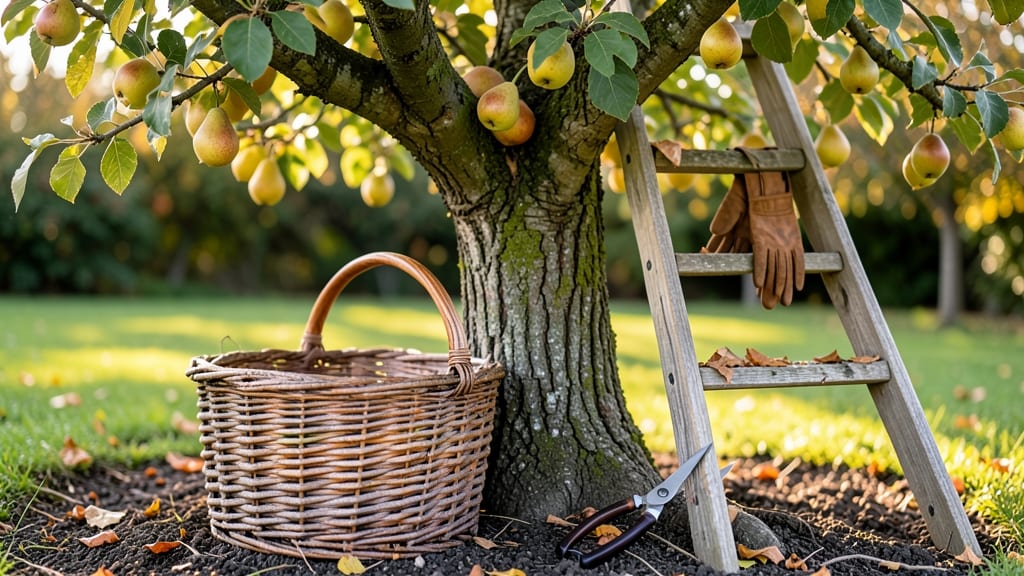
Harvesting pears at the right time during the pear harvest season in late summer to early fall transforms bland fruit into sweet, juicy treats 🍐—but timing is everything.
Picture this: you bite into a pear that’s mealy and flavorless, or worse, too hard to chew. That’s what happens when you pick too early or too late. The difference between these two outcomes? Knowing when your pears are truly ripe.
In this guide, I’ll walk you through the exact signs to look for—color changes, stem separation, and even seed darkness—so you never miss the perfect harvest window again.
You’ll also learn how to store your pears for months after picking, which varieties ripen first, and the best ways to use them fresh, cooked, or preserved. Let’s get started!


Best pear harvest season timeline by variety & climate zone
Harvesting pears at the right moment transforms bland fruit into sweet, juicy delights. Unlike apples, pears must ripen on the tree—picking too early means mealy texture, while waiting too long risks frost damage.
Your USDA zone and pear variety determine the perfect timing, with most pears ready between late summer and early fall. Understanding these factors ensures you enjoy peak flavor and texture every season.
Climate plays a crucial role in pear ripening. In warmer zones (8-10), harvest often begins as early as August, while cooler zones (3-6) may extend into October. Frost-sensitive varieties like Bartlett need careful monitoring, as even a light freeze can ruin your crop.
Below, I’ve broken down the ideal harvest windows by variety and zone, plus the telltale signs your pears are ready to pick.
Key visual cues for harvest readiness include:
- Skin color deepening (yellow, red, or green depending on variety)
- Stem separation—the fruit should lift easily with slight pressure
- Seed darkness—seeds should turn brown when sliced open
For Bartlett pears, the most popular variety in USDA zones 6-10, harvest begins in late August and peaks in early September. These pears ripen quickly after picking, so aim to harvest when they’re fully colored but still firm.
In cooler zones (3-5), Bartletts may not ripen fully, making Anjou or Bosc varieties better choices—they handle colder climates better.
Asian pears, like Korean or Japanese varieties, thrive in warmer zones (7-10) and ripen later, often in September or October. Their crisp texture comes from high water content, so avoid picking when the skin feels soft. Unlike traditional pears, Asian pears don’t ripen after picking, so timing is critical for the best crunch.
In frost-prone zones (3-6), monitor your local first frost date closely. Pears like Bartlett can’t tolerate frost, so harvest them 2-3 weeks before the expected freeze. For hardier varieties like Bosc, you can wait until October, but check for seed darkness—a sure sign of ripeness.
Pro tip: Use a fruit thermometer to confirm internal temperatures reach 55-60°F.
If you live in zone
How to test pears for perfect ripeness before harvesting
Testing pears for ripeness during the pear harvest season is all about combining visual cues with physical tests. The key is to pick them when they’re firm but yielding—never hard or overly soft.
I’ve learned that ignoring these signs can lead to fruit that’s either too tart or mushy, so let’s break down the exact methods I use every year.
First, check the stem separation. Gently twist the pear in your hand—if it separates cleanly from the branch with just a slight tug, it’s ready. This is my go-to test because it’s foolproof.
You’ll also want to examine the seed color inside the fruit; fully ripe pears have seeds that turn from green to brown.
Next, assess the flesh firmness. Press your thumb gently into the pear’s skin—it should yield slightly but not feel mushy. Overripe pears will bruise easily, while underripe ones will feel rock-hard. This simple touch test saves me from picking too early or too late every time.
⚠️ WARNING: Common Mistakes That Ruin Your Harvest ⚠️
- Picking based on color alone: Some varieties like Bosc stay green even when ripe.
- Ignoring temperature drops: A sudden 50°F drop can trick pears into ripening too fast.
- Using the "shake test": Shaking branches to dislodge fruit damages stems and invites disease.
Pro Tip: Combine all three tests—stem twist, seed color, and flesh firmness—for 100% accuracy.
Environmental factors play a huge role too. Pears ripen best in consistent temperatures between 60°F and 70°F. If your area experiences sudden heatwaves or cold snaps, adjust your harvest window accordingly.
For example, Bartlett pears ripen faster in hot climates, while Anjou varieties need cooler nights to develop full sweetness.
Don’t overlook the sunlight exposure on individual fruits. Pears facing south often ripen first because they receive more direct sun. I always check the shadier side of the tree last—those pears might need another week or two. This simple observation has saved me from harvesting uneven batches in the past.
Finally, taste-test one pear from each cluster. The flavor should be sweet with just a hint of tartness—no lingering astringency. If it tastes bland or overly sour, wait a few days. This final check ensures you’re bringing home pears that’ll impress at the table or in the kitchen.
With these methods, you’ll never second-guess your harvest timing again. Happy picking! 🍐