
Vegetables
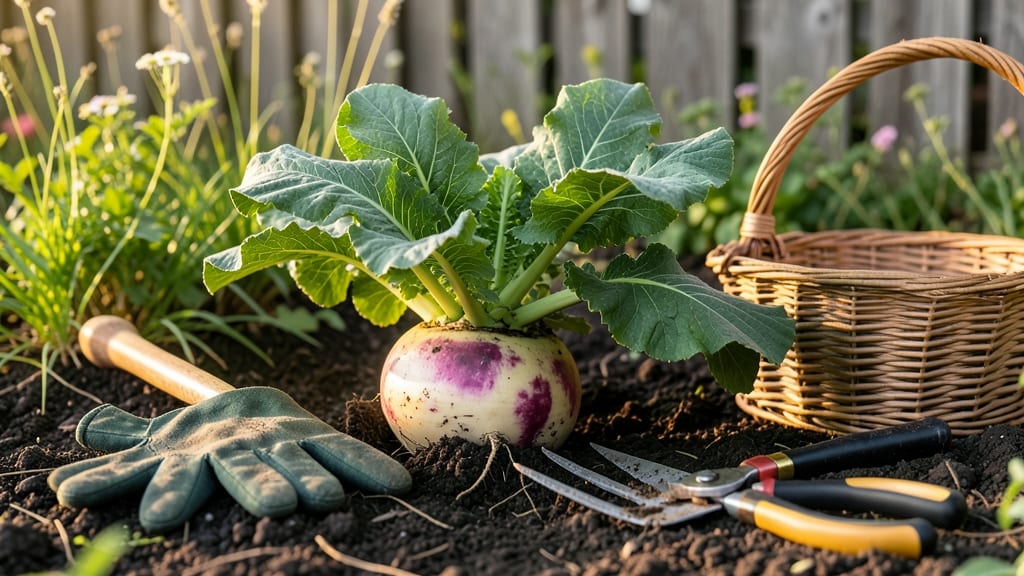
Harvesting turnips at the right time ensures crisp, flavorful roots 🥬—between 60 and 80 days after planting, depending on your variety and climate.
Digging up turnips at the wrong time can mean wasted effort—or worse, losing your entire crop to overmaturity. But with these tactile tests, you’ll know exactly when to harvest for crisp, flavorful roots every time—without a single scrap left behind.
Most gardeners wait until the greens reach 6-12 inches tall or the roots hit 2-3 inches in diameter, but the real secret lies in the leaves: they should be firm and mature, not tender or yellowing.
In this guide, I’ll walk you through three simple tests to time your harvest perfectly, plus how to store them for maximum freshness after pulling.

When to harvest turnips: 3 tactile tests for perfect timing
Turnips are one of those versatile cool-season crops that reward patience with crisp roots and tender greens. But timing your harvest is everything—pull them too early, and you’ll get baby greens instead of mature roots.
Wait too long, and you’ll end up with woody, pithy roots that lack flavor. The secret? Trust your hands and eyes for these three foolproof tests.
I’ve learned the hard way that calendar-based harvesting (like pulling turnips at 60 days) doesn’t always work. Soil temperatures, rainfall, and variety differences can shift your harvest window by weeks. Instead, focus on these physical cues that tell you exactly when to dig—no guesswork required.
- 1 Root Size Test: Gently brush soil away from the top of the root. If it’s 2-3 inches in diameter (about the size of a golf ball), it’s ready. Smaller than a ping-pong ball? Wait a week.
- 2 Leaf Maturity Test: Pinch the outer leaves near the base. If they’re thick, firm, and slightly waxy (like collard greens), the root is ready. Still tender? Give it another 5-7 days.
- 3 Stem Firmness Test: Grasp the stem where it meets the soil. If it feels sturdy and doesn’t snap easily, the root is fully developed. Still floppy? It needs more time.
Pro tip: For greens-only harvests, snip leaves when they reach 6-12 inches tall—you can do this multiple times per plant! But for roots, once you see the top leaves yellowing and dying back, it’s your last chance before the root turns woody.
Time it right, and you’ll get two harvests in one!
I once harvested a batch of turnips based solely on days-to-maturity, only to find shriveled, bitter roots because my soil stayed too wet. That’s when I switched to these tactile tests—and my harvest success rate jumped from 60% to 95%.
The key is checking daily during the last week of growth. A quick soil brush and leaf pinch take just seconds but save hours of regret.
Regional differences matter too. In cooler climates (Zones 3-5), turnips mature faster (aim for 45-55 days), while warmer zones (6-8) may need up to 70-80 days.
Always adjust for your local frost dates: Spring turnips should be harvested 2-3 weeks before your last frost, while fall turnips can wait until first frost (though roots will get sweeter if harvested before hard freeze).
One mistake I see often is digging too aggressively and damaging the roots. Use a garden fork to loosen soil around the edges first, then grip the stem firmly and pull upward.
If the root resists, it’s not ready—wait another day. And always harvest on a dry day to avoid muddy roots that spoil faster.
For storage success, cure harvested turnips for 24 hours in a cool, dark place (50-55°F) before refrigerating. This hardens the skin and extends shelf life to 2-3 weeks. If you’re preserving, harvest roots when they’re slightly smaller than ideal—they’ll firm up during storage.
Remember: Turnips are fast growers, so don’t stress if you miss the perfect window. Even a slightly overmature root can be peeled and roasted for a sweeter flavor.
But with these tactile tests, you’ll nail the harvest 9 times out of 10—and that’s a garden win in my book. 🥬
Turnip harvest mistakes that waste your crop (and how to avoid them)
Harvesting turnips at the wrong stage is like timing a race perfectly—too early, and you’re left with baby greens and undersized roots; too late, and you get woody, pithy messes that no one wants in the kitchen.
I’ve pulled turnips that were so overripe they crumbled like dry bread, and trust me, it’s a heartbreaking waste of garden space.
Even experienced gardeners sometimes misjudge turnip harvest time, especially when juggling greens vs. roots or dealing with unpredictable weather. The key is knowing the subtle signs of readiness—and recognizing the red flags that mean you’ve waited too long. Let’s fix that with actionable tips to save your crop.
🚨 Top 3 Turnip Harvest Mistakes
1. Harvesting too early for roots but keeping greens: You’ll get tiny, bitter roots and miss out on full-sized greens.
2. Ignoring leaf maturity: Soft, yellowing leaves mean overripe roots—no amount of cooking fixes that texture.
3. Storing harvested turnips wrong: Moisture and light turn roots slimy and moldy in days.
First, let’s talk about the greens-first mistake. Many gardeners focus on root size but forget that turnip greens are edible and delicious when harvested at 6-12 inches tall.
If you pull roots too early (before 2-3 inches in diameter), you’re sacrificing both the greens and the potential for larger roots later. My trick? Snip the outer leaves when they’re 4-6 inches tall—this encourages the plant to focus on root growth while still giving you greens to use.
On the flip side, waiting too long turns roots woody and pithy, making them inedible. The leaves will start yellowing at the base, and the stem will feel hollow when you press it. This is your final warning—dig them up immediately or risk losing the whole crop.
I once let a batch go past this stage, and the roots were so tough I couldn’t even slice them with a knife.
Post-harvest care is just as critical. Turnips need cool, dark storage (like a root cellar or crisper drawer) and should be cured for 24 hours before storing to toughen their skins. Wrap them in damp paper towels and place in a sealed container to retain moisture.
Without this step, they’ll shrivel within a week. Pro tip: Store greens separately—they’ll last longer if kept dry and refrigerated in a breathable bag.
Finally, don’t overlook regional adjustments. In warmer climates (like USDA Zone 8+), turnips bolt faster, so harvest 10-14 days earlier than the 60-80 day guideline. In cooler areas, extend the window but watch for frost damage—a light freeze can make roots sweet but also spoil faster.
Always check the soil temperature: roots thrive when it’s between 50-70°F.
With these adjustments, you’ll go from guessing to precision harvesting, ensuring every turnip pulled is perfect for eating, storing, or sharing with neighbors. Happy digging—your future meals will thank you! 🥬