
Vegetables
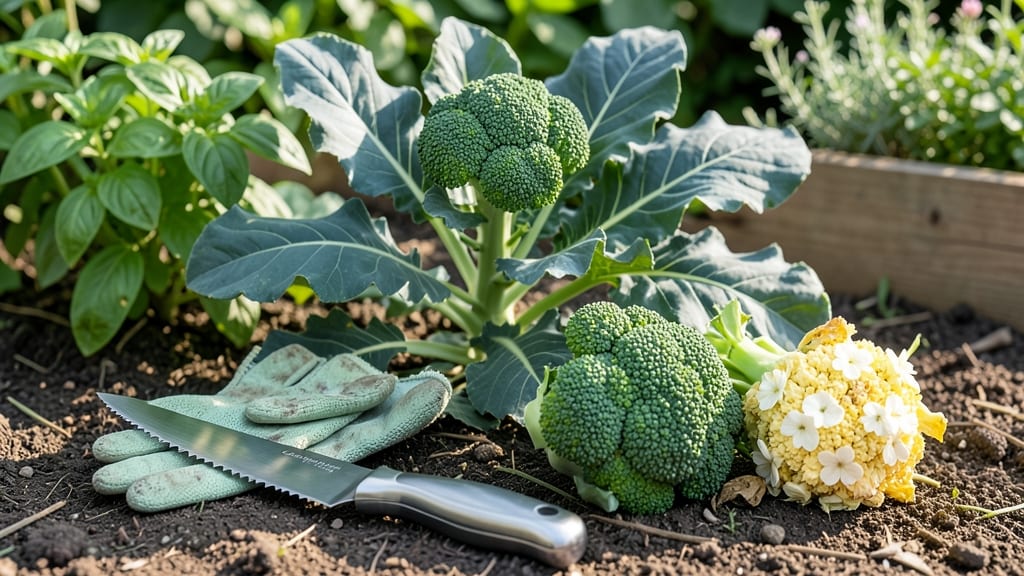
Knowing when it is too late to harvest broccoli means the difference between a tender, flavorful crown and a bitter, woody mess 🥦 — and missing the window by even a few days can ruin your crop.
Picture this: you’ve been waiting weeks for that perfect head, only to wake up and find your broccoli plant sending up tall flower stalks. That’s your cue that it’s too late for the main harvest.
But before you toss it, there’s still a way to salvage flavor and even coax a second crop.
Knowing when to cut your broccoli isn’t just about size—it’s about color, firmness, and even the weather.
A head that’s turned yellow or started flowering is past its prime, but there are still tricks to extend your harvest season, especially if you’re in a cooler climate like USDA Zone 6a.
In this guide, I’ll walk you through the three key signs that tell you it’s too late for the main harvest, how to tell if your plant still has life left, and what to do with those late-season heads so you don’t waste a single bite.

3 Clear signs your broccoli is past its prime for harvesting
Harvesting broccoli at the wrong time can turn your crisp, flavorful heads into tough, bitter stalks. The difference between a perfect harvest and a wasted plant often comes down to visual cues and physical changes most gardeners overlook.
I’ve learned the hard way—when I ignored these signs, my broccoli bolted into bitter flower stalks overnight. Let’s break down the three unmistakable signals that scream "too late to harvest!" so you can salvage flavor and avoid disappointment.
First, pay attention to the flower buds at the center of your broccoli head. When buds begin to open or yellow, that’s your first warning. These tiny yellow flowers signal the plant is shifting energy from growth to reproduction.
Once buds appear, the head becomes woody and less tender, making it unpalatable. I always check this daily during peak harvest season—it’s the fastest way to catch bolting early.
Next, examine the stem thickness and crown size. Overripe broccoli develops thicker, fibrous stems that snap instead of bending. The crown itself may also spread out or flatten, losing its compact shape.
In my garden, I use my thumb to press the stem—if it feels hard or hollow, it’s past its prime. This texture change happens quickly, especially in warm weather.
Finally, watch for yellowing leaves and flower stalks emerging from the center. These are clear signs your broccoli has bolted, meaning it’s focused on producing seeds rather than edible heads.
I’ve seen plants go from perfect harvest-ready to covered in tiny yellow flowers in just 3-5 days—so act fast if you spot these signs.
Tiny yellow buds appear at the center of the head. This means the plant is bolting and shifting energy to seed production. Harvest immediately if you see even one bud—flavor and texture degrade fast.
Press the stem with your thumb. If it feels hard or hollow (not crisp), the head is overripe. Thick stems also indicate the plant is prioritizing reproduction over growth, making the crown inedible.
Lower leaves yellowing or tall flower stalks emerging from the center? Your plant has bolted. These stalks grow rapidly (up to 2 feet in a week) and signal the end of the harvest window.
Don’t let these signs catch you off guard—harvesting too late doesn’t just ruin the main head. It also exhausts the plant, reducing its ability to produce side shoots. In my experience, bolting broccoli often attracts pests like cabbage worms, which target stressed plants.
If you’ve missed the window, don’t despair—there are still ways to salvage the plant (we’ll cover that in the next section!). But acting fast is key.
The good news? Broccoli gives clear visual warnings before it’s too late. By checking for flower buds, stem thickness, and leaf color every 2-3 days, you’ll catch the perfect moment to harvest.
I’ve even trained myself to glance at my broccoli patch during my morning coffee—it’s become a habit that saves me from bitter surprises. Pro tip: Use a small hand pruner to snip the main head just above a set of leaves.
This encourages the plant to produce side shoots for a second harvest.
Climate plays a role too. In warmer regions, broccoli bolts faster—sometimes in as little as 50 days—while cooler zones give you a 10-14 day buffer. If you’re in a hot area, opt for bolt-resistant varieties like ‘De Cicco’ or ‘Waltham 29’ (we’ll dive into those later).
Regardless of your zone, consistent watering and shade cloth during heatwaves can delay bolting and buy you extra harvest days.
Remember, the ideal broccoli head is tight, dark green, and firm—like a compact green ball. Once it starts to loosen or yellow, the clock is ticking. I’ve learned to trust my eyes over my calendar, because Mother Nature doesn’t always follow the rules.
By spotting these three signs early, you’ll avoid the heartbreak of a wasted crop and enjoy homegrown broccoli at its peak.
Now that you know the red flags, let’s talk about what to do if you’ve already missed the boat—how to salvage late broccoli and turn a "too late" harvest into a second chance. Stay tuned!
How to harvest late broccoli without wasting the plant
Even if your broccoli has bolted or developed those telltale yellow buds, all hope isn’t lost. I’ve salvaged side shoots from plants that looked completely spent, and with the right techniques, you can too.
The key is acting quickly—once those flower stalks appear, the plant’s energy shifts from growth to seed production. But by pruning strategically and adjusting care, you can coax secondary harvests and even extend your growing season.
First, don’t panic if you see tall flower stalks emerging. These aren’t always a death sentence—they can actually signal the plant’s readiness to produce smaller side shoots. My rule of thumb? If the main head is still partially green and firm (not fully woody), there’s a chance for regrowth.
The sooner you act, the better your chances of a second harvest. I’ve had success with plants that were 70% bolted—the secret is in the pruning.
Use clean pruners to cut the main head just above a set of leaves. This encourages the plant to redirect energy to side shoots rather than seed production. Avoid cutting into woody stems—focus on green, leafy growth.
Apply a balanced fertilizer (like 5-10-10) 24 hours after pruning. This gives the plant the nutrients it needs to produce new shoots. I use 1 tablespoon per plant and water it in deeply to prevent root burn.
Increase watering to 1-1.5 inches per week, focusing on the root zone. Stress from drought accelerates bolting, so keep soil consistently moist but not waterlogged. Mulch with straw or grass clippings to retain moisture.
Within 2-3 weeks, you should see small side shoots forming at the leaf axils. These are mini broccoli heads—harvest them when they reach 2-3 inches in diameter and are still tight. They’ll be smaller but just as flavorful!
To avoid repeating this cycle, choose bolt-resistant varieties like ‘De Cicco’ or ‘Waltham 29’. Also, plant in cooler months (spring or fall) and use shade cloth if temperatures exceed 80°F. I’ve found that succession planting every 2 weeks extends my harvest window by 4-6 weeks.
One common mistake I see is over-fertilizing after pruning. Too much nitrogen can actually accelerate bolting by pushing the plant to produce more flowers. Stick to a light feeding and focus on water and shade to keep the plant happy.
If your climate is hot and dry, consider moving potted broccoli to a shadier spot or even indoors near a south-facing window for a few weeks to slow down bolting.
If your plant is already fully bolted with tall flower stalks, don’t toss it! Those stalks can still be used in stir-fries or soups, though they’re tougher than fresh broccoli.
And if you’re in a cooler zone, you might even get a third harvest from the smallest side shoots. I’ve harvested tiny broccoli florets from plants that looked dead—just give them a little TLC, and they’ll surprise you.
For a second crop, replant fast-maturing varieties like ‘Calabrese’ 60-70 days before your first frost. In USDA Zone 6a, that means planting in late July or early August for a fall harvest.
I’ve had great success with this method, often getting two full harvests from the same garden bed. The key is timing and variety selection—don’t let a late harvest discourage you from growing broccoli again!
Remember, every broccoli plant is different. Some bolt quickly, while others linger for weeks. Pay attention to your plant’s specific cues—if the leaves stay dark green and the stems remain flexible, there’s still hope.
With the right care, even a late-season plant can give you a second chance at harvest. And if all else fails, those flower stalks make great compost or mulch for your next planting!