
How To
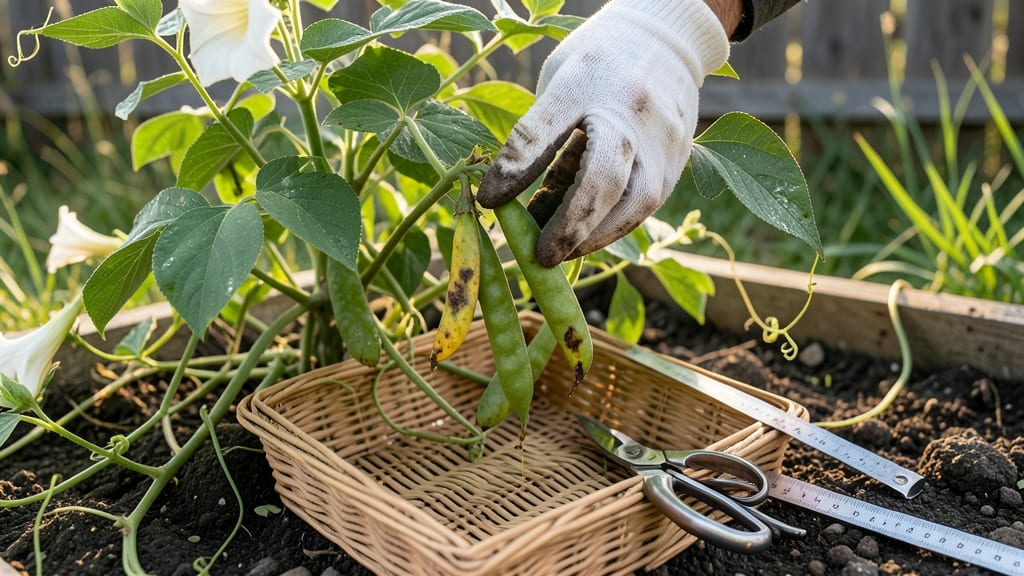
Harvest beans when pods are 4–6 inches long and bright green—this is the sweet spot for crisp, tender flavor that disappears in just a few hours.
Picture this: you’ve spent weeks tending to your 🌱 beans, and now the moment of truth arrives. One wrong move, and those perfect pods turn mealy or tough.
The difference between a stellar harvest and a sad pile of overripe beans often comes down to timing—and knowing exactly what to look for.
Most gardeners wait too long, letting the seeds swell and the pods toughen. But the secret lies in three simple tactile tests: size, firmness, and color. Skip these checks, and you’ll miss the window where beans are at their peak—fresh, snappy, and packed with flavor.
In this guide, I’ll walk you through the exact signs to watch for, how to avoid common mistakes, and why harvesting in the morning keeps your beans crisp all day. Ready to turn your garden into a bean bonanza?

3 Tactile tests to determine perfect green bean harvest time
Harvesting green beans at the right moment ensures crisp texture and sweet flavor. Unlike other vegetables, beans don’t ripen after picking, so timing is everything. I’ve learned that visual cues and physical tests make all the difference between a mealy pod and a perfect harvest.
The key is to check your beans daily during peak season—once you miss the window, they’ll quickly become tough and stringy.
Over the years, I’ve perfected three simple tactile tests that take just seconds each. These methods work for bush beans, pole beans, and even snap peas. The best part? You don’t need any special tools—just your hands and eyes.
Whether you’re a beginner or a seasoned gardener, these tests will help you consistently harvest at peak freshness. Let’s dive into the first test that focuses on pod size and color.
3 Tactile Tests for Perfect Green Bean Harvest
- 1. Pod Size & Color: Look for 4-6 inch pods with vibrant green color. Avoid pale or unevenly colored beans—they’re not ready yet.
- 2. Firmness Test: Gently squeeze the pod. It should feel firm but not hard. If it’s mushy, it’s past its prime.
- 3. Seed Development: Open a pod and check the seed size. If seeds are small and barely visible, harvest immediately. Large seeds mean the bean is overripe.
For the first test, pod size and color are your best indicators. Aim for beans that are 4-6 inches long—this is the ideal range for most varieties. The color should be uniform and bright green, not yellowing or fading.
I always compare my beans to a ruler or my hand for quick reference. If you’re growing heirloom varieties, they might have slightly different color standards, so check your seed packet for specifics.
Next, perform the firmness test by gently squeezing the pod between your thumb and forefinger. A perfectly ripe green bean should yield slightly but still feel resistant. If it feels squishy or mushy, it’s overripe and will taste bland or even bitter.
On the flip side, if it’s too hard, it’s underripe and won’t have developed its full flavor. This test is especially useful for bush beans, which can mature faster than pole beans.
The third test focuses on seed development, which is often overlooked but critical. Open a pod and peek inside—if the seeds are small and barely visible, harvest immediately. If you see large, plump seeds filling the pod, the bean has passed its prime.
I like to do this test on a few pods from each plant to ensure consistency. Remember, once seeds develop, the pod will toughen up quickly, and the flavor will decline.
Timing your harvests correctly also depends on the time of day. Always pick beans in the morning after the dew has dried. This ensures the pods are at their freshest and crispest.
I’ve noticed that beans harvested in the afternoon can sometimes feel slightly softer due to heat stress. Pro tip: Use a small harvest basket or bowl to collect your beans—this prevents bruising and keeps them looking their best.
One common mistake I see is harvesting too infrequently. Green beans produce continuously, so checking your plants every 2-3 days is ideal. The more frequently you harvest, the more your plants will produce.
If you let beans sit on the vine too long, the plant will shift its energy to seed production instead of new pods. This can lead to a sudden drop in yield. For pole beans, which produce over a longer season, regular harvesting is even more important.
Finally, pay attention to the plant’s overall health. If your beans are growing slowly or the leaves look yellow or wilted, it might be a sign of nutrient deficiency or pest damage. In this case, focus on revitalizing the plant before worrying about harvest timing.
Healthy plants produce better-tasting beans and are more resilient to environmental stressors. Always harvest with clean, sharp scissors or your fingers to avoid damaging the plant.
By mastering these three tactile tests, you’ll never second-guess when to harvest your green beans again. The combination of pod size, firmness, and seed development ensures you pick beans at their absolute peak.
Over time, you’ll develop an instinct for the perfect harvest moment—just like a seasoned gardener. Happy harvesting! 🌱
How long does it take for green beans to reach harvest readiness?
Green beans don’t follow a one-size-fits-all timeline—their harvest readiness depends heavily on whether you’re growing bush beans or pole beans. Most varieties take between 45 to 60 days from planting to harvest, but environmental factors like temperature and sunlight exposure can shift this window by weeks.
For example, cooler climates may extend maturity by 10-14 days, while warm, sunny regions can shave off time. Understanding these variables helps you plan your garden layout and succession plantings for continuous harvests.
Bush beans typically mature faster than pole beans, with most varieties reaching harvest in 50 to 55 days. This makes them ideal for short-season gardens or container growing.
Pole beans, on the other hand, take slightly longer—usually 55 to 60 days—because their vines require more time to establish and produce pods.
The key difference lies in their growth habits: bush beans produce all their pods at once, while pole beans continue flowering and fruiting over a longer period. This means pole beans can provide harvests for 6 to 8 weeks, compared to bush beans’ more concentrated 2-3 week window.
| Bean Type | Days to Harvest | Harvest Window | Key Factors |
|---|---|---|---|
| Bush Beans | 50-55 days | 2-3 weeks | Compact growth, all pods mature simultaneously |
| Pole Beans | 55-60 days | 6-8 weeks | Vining growth, continuous flowering |
| Heirloom Varieties | 55-65 days | 3-5 weeks | Slower but often more flavorful |
Temperature plays a crucial role in bean maturity. Ideal growing conditions—60°F to 80°F—accelerate pod development, while cooler nights below 50°F can stall growth or cause blossom drop.
I’ve noticed that in my Zone 6a garden, early plantings in May often take longer to mature than June plantings because the soil stays cooler.
To counteract this, I use black plastic mulch to warm the soil faster and plant heat-loving varieties like Blue Lake or Kentucky Wonder that thrive in warmer conditions.
Sunlight is another game-changer. Green beans need 6 to 8 hours of direct sun daily to reach harvest readiness efficiently. In shadier spots, pods may develop more slowly or become stringy.
I once tried growing beans under partial shade in my backyard, and while they eventually produced, the pods took 10 extra days to mature and lacked the crisp texture of sun-grown beans.
If your garden has limited sunlight, consider container growing on a sunny patio or choosing more shade-tolerant varieties like Contender or Masai.
One common misconception is that all green beans follow the same timeline, but variety selection makes a big difference. For example, dwarf varieties like Blue Lake Bush mature in about 50 days, while pole bean varieties like Rattlesnake can take up to 65 days.
Always check your seed packet for specific days-to-maturity information, as this varies even within bush or pole categories. I keep a gardening journal to track which varieties perform best in my local climate—this helps me plan future plantings more accurately.
Finally, remember that consistent harvesting encourages more production. If you wait too long, the plant will focus on seed development instead of new pods, shortening your overall harvest window.
For bush beans, this means harvesting every 2 to 3 days during peak production, while pole beans can handle slightly longer intervals—every 3 to 4 days. The key is to stay vigilant and check your plants regularly, especially as they approach their expected harvest dates.
With the right timing and care, you’ll enjoy a steady supply of crisp, tender green beans all season long! 🌱