
How To
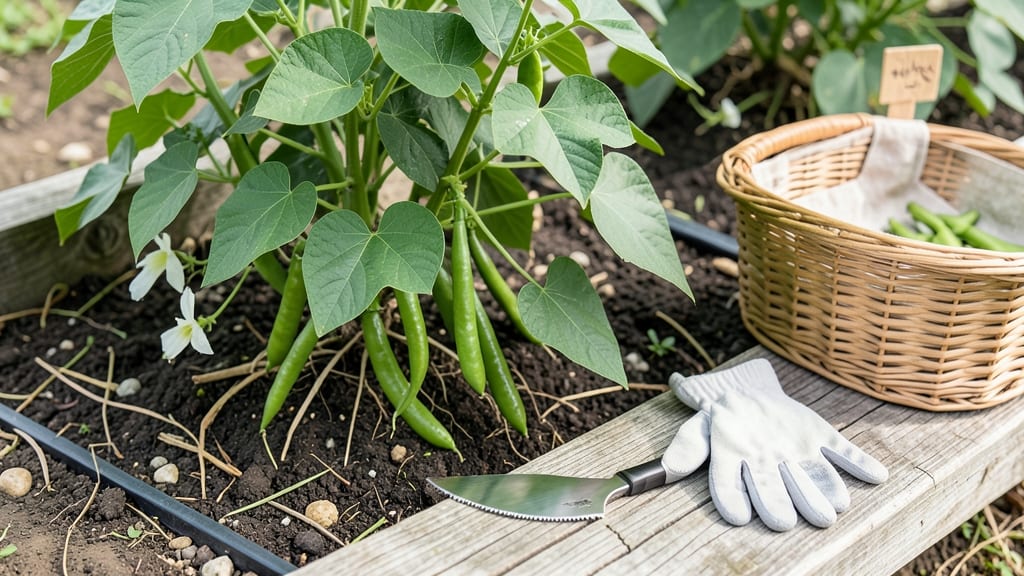
Harvesting yard long beans at the right time means the difference between tender, sweet pods and tough, stringy ones — and the key is knowing when to pick them for peak flavor.
If you’ve ever snapped a yard long bean 🌱 only to find it woody and bitter, you’re not alone. The secret lies in watching for pods that are 12–18 inches long, bright green, and firm to the touch—before the seeds inside start to swell.
Miss this window, and your harvest turns into a chewy disappointment.
In USDA Zone 6a, where spring planting kicks off after the last frost (usually April–May), your beans will be ready to harvest around 60–75 days—typically late summer to early fall.
But timing isn’t just about days; it’s about visual cues like glossy skin and a snap that sounds crisp, not hollow.
Below, I’ll walk you through the exact signs to look for, how often to pick for continuous production, and a few pro tips to keep your yard long beans tasting fresh straight from the vine.

Yard long bean pod size and color: the perfect harvest timing guide
Harvesting yard long beans at the right moment transforms your garden into a flavor factory—crisp, tender pods bursting with fresh taste. But wait too long, and those same pods turn woody and tough, ruining your harvest.
The key lies in watching for three critical cues: pod length, color, and texture. Master these, and you’ll enjoy a continuous supply of homegrown goodness all season long.
Most gardeners focus only on pod length, but the color and firmness are equally important. A 12-18 inch pod that’s bright green and firm signals peak flavor, while a pod that’s dull, yellowing, or feels woody has passed its prime.
Understanding these visual and tactile clues ensures you never miss the sweet spot for harvesting.
Why timing matters: Yard long beans produce pods continuously, but each one only stays tender for a short window. Waiting just a few days past the ideal harvest time can turn your crisp green pods into fibrous sticks—a common mistake even experienced gardeners make. Let’s break down the exact signals to watch for.
Visual cues are your best friends when harvesting. A bright green, glossy pod with no visible seeds inside is your target. The color shift from deep green to yellowish-green is your warning sign that the pod is overripe. Meanwhile, the texture should be firm but yield slightly when gently squeezed—like a fresh green bean, not a dried-out twig.
Pod length is the easiest metric to track. Aim for 12-18 inches—any shorter, and the pod hasn’t fully developed its flavor; any longer, and it risks becoming tough. Pro tip: Use a ruler or measuring tape when first harvesting to get a feel for the ideal size. Once you’ve harvested a few perfect pods, your eyes will naturally spot the right length.
Color changes are your second clue. Fresh pods are vibrant green, almost shiny. As they mature, they’ll fade to a duller green or yellowish hue. This color shift happens quickly, so check your plants every 2-3 days during peak production. The moment you see even a hint of yellowing, it’s time to harvest before the flavor declines.
Texture is the final test. A ready-to-harvest pod should feel crisp and firm when you gently pinch it. If it bends easily or feels soft, it’s underripe. If it’s hard and woody, it’s past its prime. Think of it like testing a green bean at the store—the perfect pod should snap slightly when bent, not crumble or resist.
| Harvest Stage | Pod Length | Color | Texture | Seed Visibility | Flavor Profile |
|---|---|---|---|---|---|
| Too Early | Under 10" | Pale green | Soft, mushy | Not visible | Bland, watery |
| Perfect Harvest | 12-18" | Bright green | Crisp, firm | Small, barely visible | Sweet, tender |
| Overripe | 18"+ | Yellowish-green | Woody, tough | Visible, large | Bitter, fibrous |
Regional growing conditions can slightly alter these cues. In hotter climates, pods may mature faster, so check them daily during peak summer. In cooler regions, the growing season extends longer, giving you more time to harvest before the first frost.
Always adjust your harvesting frequency based on your local weather patterns.
Pro harvesting tip: Use a pair of sharp pruning shears or your fingers to snap pods cleanly at the stem. Avoid tugging, which can damage the vine and reduce future production.
Harvest in the morning when pods are cool and crispest, then store them in the fridge for up to 5 days to preserve freshness.
Once you’ve mastered these cues, you’ll never again waste a single pod. The sweet spot for yard long beans is fleeting, but with this guide, you’ll turn every harvest into a flavor-packed success. Happy gardening!
How to check yard long beans for harvest readiness without guessing
Harvesting yard long beans at the right moment ensures crisp, tender pods packed with flavor. But how do you know when they're ready without guessing? The key lies in three simple tests: pod length, firmness, and seed development.
Let me walk you through each step to avoid the common mistake of harvesting too late.
Start by examining the pod length. Yard long beans should be between 12 to 18 inches when harvested. If they're shorter than 10 inches, they're still growing, while pods longer than 24 inches become tough and stringy.
Use a measuring tape or even a ruler to check—this visual cue is your first clue to harvest readiness.
Next, test the pod firmness by gently squeezing a pod between your thumb and forefinger. Ready-to-harvest pods should feel firm but not woody. If it bends or feels soft, it's underripe.
Overripe pods, on the other hand, will feel hard and develop a fibrous texture, making them less enjoyable to eat.
⚠️ callout-warning ⚠️ ⚠️ Common Mistake: Harvesting Based on Color Alone ⚠️
While bright green pods are a good sign, color fades as pods mature. Don’t rely solely on color—always check length and firmness first. Overripe pods may turn yellow or brown, but by then, they’ve lost their crisp texture and sweet flavor. Pro tip: Harvest in the morning when pods are coolest and firmest for the best results.
✅ Do: Test firmness by squeezing pods—ready pods should spring back slightly. ❌ Don’t: Wait until pods turn yellow or seeds bulge visibly—this means they’re past their prime.
Another foolproof method is checking the seed development inside the pod. Gently slice open a pod lengthwise to peek inside. If the seeds are tiny and barely visible, the pod is ready.
Larger seeds mean the bean is overripe and the pod will be tough. This step is especially useful if you're unsure about the pod's age or growth stage.
Pay attention to the flower drop timing as well. Yard long beans produce flowers that eventually drop off as pods form. If you notice fresh flowers still blooming on the plant, new pods are on the way.
However, if the flowers have wilted and fallen without producing pods, the plant may be slowing down its production cycle.
To maximize your harvest, make it a habit to check your plants every 2 to 3 days. Yard long beans grow quickly, and pods can go from perfect to overripe in just a few days.
Regular harvesting also encourages the plant to produce more pods throughout the growing season. Keep a small pair of pruning shears handy to snip pods cleanly without damaging the vine.
Finally, avoid the temptation to harvest pods that are still attached to the vine but feel unevenly firm. This often indicates uneven growth, which can lead to inconsistent texture.
Instead, focus on pods that meet all three criteria: 12-18 inches long, firm but not woody, and tiny, barely visible seeds. With these steps, you’ll enjoy a steady supply of crisp, flavorful yard long beans all season long. 🌱