
Vegetables
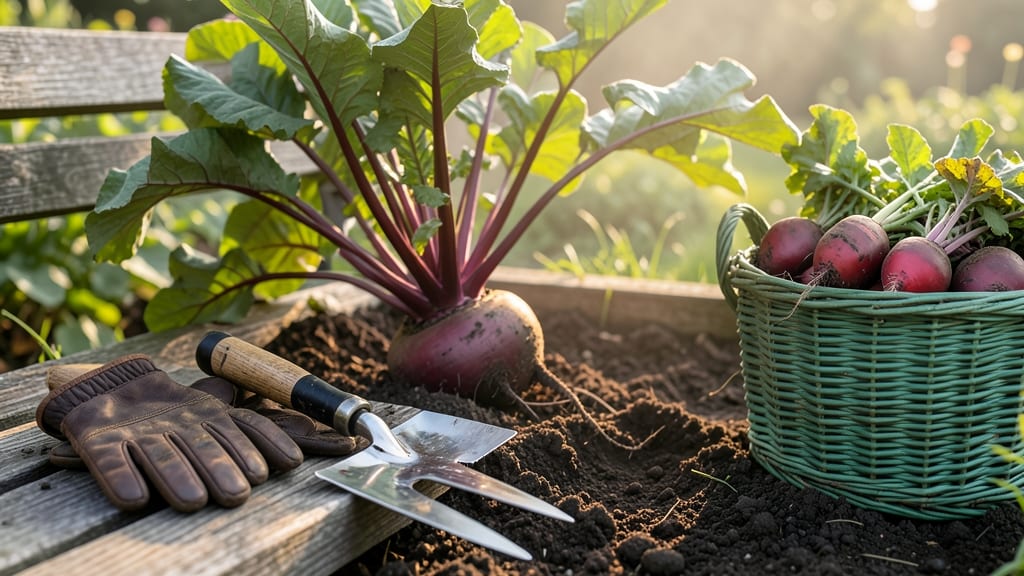
Harvesting beetroot at the right time means the difference between tender, sweet roots 🍠 and tough, woody ones that ruin your meal.
Picture this: you’ve nurtured your beetroot all season, and now the moment of truth arrives. But how do you know when those roots are truly ready? The answer lies in a simple soil test that checks for looseness—something most gardeners overlook until it’s too late.
Beetroot thrives in 6a zones when planted in spring or late summer, but timing is everything. Too early, and the roots are undersized; too late, and they turn bitter.
Below, I’ll break down the exact signs to watch for—from leaf size to soil texture—and how to avoid common mistakes that turn your harvest sour.
By the end, you’ll know exactly when to pull those roots for the perfect balance of sweetness and tenderness, every time.

How to test soil looseness for optimal beetroot harvest time
Harvesting beetroot at the perfect moment transforms your garden into a treasure trove of sweet, tender roots. The key? Testing soil looseness and recognizing subtle visual cues.
When the soil is just right, your beetroot will reward you with maximum flavor and texture—not the woody, bitter disappointment of overgrown roots.
Beetroots thrive in loose, well-aerated soil that resists compaction. Compacted soil stresses roots, leading to fibrous, tough textures and reduced sweetness. A simple tactile test reveals whether your beetroots are ready to harvest or need more time.
This method works for both spring and fall plantings, ensuring consistency regardless of season.
Start by examining the top growth—healthy beet greens should be vibrant and 4-6 inches tall. Next, gently press the soil around the base of the plant. If it feels crumbly and gives slightly under pressure, your beetroots are likely ready.
This tactile check is your first clue that the roots have reached ideal harvest size (1-3 inches).
For a more precise test, use your fingers to probe the soil near the plant. If the soil separates easily without clumping, the roots have had enough space to grow. Compacted soil, on the other hand, will resist your fingers, signaling that your beetroots need more time to develop properly.
This simple test takes just seconds but can save your harvest from bitterness.
Look for deep green leaves measuring 4-6 inches tall. Pale or yellowing leaves indicate nutrient stress or overmaturity.
Press soil around the plant. If it feels crumbly and separates easily, roots are ready. Compacted soil means more time needed.
Gently brush away soil to check for 1-3 inch diameter roots. Smaller roots need 2-3 more weeks; larger roots may be woody and tough.
Exposed roots should show deep, even color (no green streaks). Green veins indicate exposure to light, which can make roots bitter.
Use a garden fork to loosen soil, then pull roots gently. Harvest in the morning after watering for the sweetest flavor.
Once you’ve confirmed the soil is loose and the roots meet size and color standards, it’s time to harvest. Use a garden fork to gently loosen the soil around the base of the plant, then grasp the greens and pull upward.
The root should slide out effortlessly—if it resists, it’s not ready yet. Harvesting in the early morning after a light watering ensures the highest sugar content and tenderness.
After harvest, inspect the roots for any remaining soil. A quick rinse under cool water removes dirt without damaging the skin. Store harvested beetroots in a plastic bag in the fridge, where they’ll keep for up to 2 weeks.
For long-term storage, consider curing and cellaring them in sand, which extends freshness to months.
If your soil feels compacted or your beetroots are growing too slowly, it’s time to amend the soil. Mix in compost or aged manure to improve drainage and aeration.
This simple step can transform your next harvest into a sweet, tender success. With practice, you’ll develop an instinct for when beetroots are ready—no tools required!
Pro tip: For continuous harvests, plant beetroot seeds every 2-3 weeks during the growing season. This staggered approach ensures a steady supply of fresh, sweet roots all season long. The soil looseness test becomes even more valuable when you’re managing multiple plantings.
Remember, the soil looseness test is your secret weapon for perfect beetroot harvests. By combining tactile checks with visual cues, you’ll never again guess whether your roots are ready. Soon, you’ll be the gardener everyone envies—pulling out <
Best time of year and growth stages for harvesting beetroot
Timing your beetroot harvest depends on two key factors: seasonal planting and growth stage. Spring-planted beets typically reach harvest between June and August, while fall-planted varieties are ready by October or November.
In USDA Zone 6a, where frost-free days average 165, you’ll have two prime harvest windows—just don’t let roots sit too long in the soil or they’ll turn woody and bitter.
For the sweetest flavor, aim to harvest when roots measure 1 to 3 inches in diameter. This size ensures tenderness without sacrificing yield. Smaller roots (<1 inch) are perfect for baby beets, while larger ones (3+ inches) can become tough if left too long. Pay attention to leaf size too—ideal tops reach 4 to 6 inches tall, signaling the root is ready for picking.
| Season | Planting Window | Harvest Window | Root Size | Leaf Height |
|---|---|---|---|---|
| Spring | March–May | June–August | 1–3 inches | 4–6 inches |
| Fall | July–August | October–November | 1–3 inches | 4–6 inches |
| Baby Beets | Any season | 45–50 days | ½–1 inch | 2–4 inches |
Climate plays a surprising role in harvest timing. In hotter regions, beets mature faster due to longer daylight hours, while cooler climates may extend the growing season.
For example, if your area experiences early frosts (like Zone 6a’s October 15 cutoff), prioritize fall planting to maximize your harvest before cold sets in. Always check for deep, rich color—no green streaks—and a firm texture when pressed.
One trick I swear by? Gently tug on the leaves before harvesting. If the root slides out of the soil with minimal resistance, it’s ready. If it feels tight or the soil clings stubbornly, wait 5 to 7 more days.
Overlooking this step can lead to underripe or oversized roots, both of which compromise flavor.
Pro tip: Harvest on a dry, overcast day to prevent roots from drying out during cleaning. Store them in a cool, dark place with high humidity (like a root cellar) to preserve sweetness for up to 2 weeks.
If you’re growing multiple varieties, mark your rows with stakes to track maturity dates—this keeps your harvest organized and stress-free.
By mastering these seasonal cues and growth stages, you’ll transform your beetroot harvest from hit-or-miss to consistently delicious. The key? Stay vigilant, test soil looseness, and pull those roots at the peak of tenderness—just before they outgrow their prime.