
How To
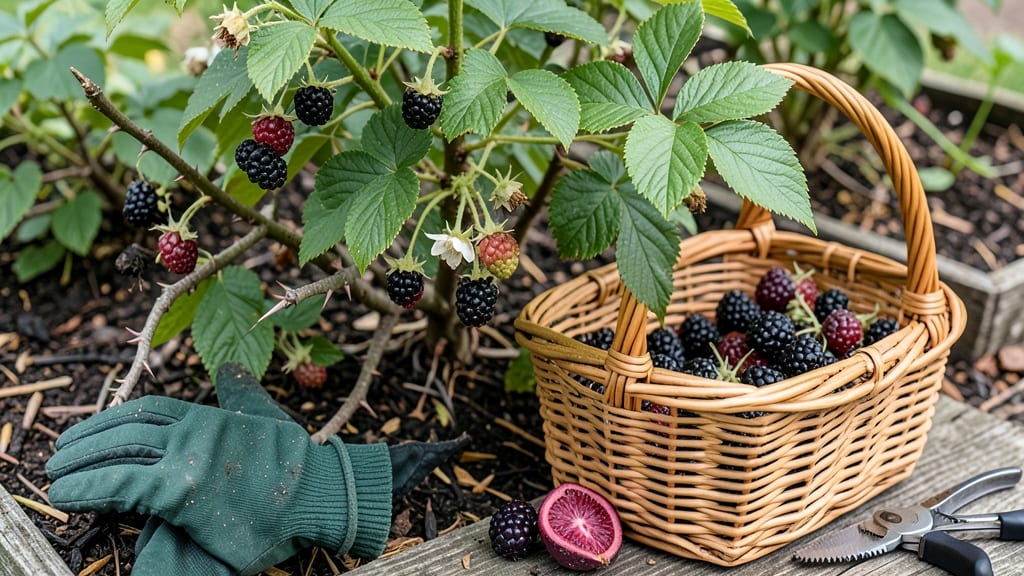
Harvesting blackberries at the right time means the difference between sweet, juicy fruit and bland, mealy disappointment—and the key is knowing exactly when they're ripe. 🫐
Picture this: you're reaching for a cluster of berries, ready to enjoy your homegrown harvest, only to take a bite and cringe at the tart, underripe flavor. Or worse, you pick them too late and end up with mushy, fermented fruit that's inedible. Don't let that happen to you!
This guide cuts through the guesswork with simple, science-backed tests to determine ripeness, plus expert timing tips tailored to your climate zone. Whether you're a seasoned gardener or a first-timer, you'll learn how to maximize your yield and enjoy the perfect blackberry every time.
From color consistency to the "jiggle test," we'll cover everything you need to know to pick your blackberries at their peak—so you can savor that sweet, summery flavor without the frustration.

3 Visual and tactile tests to determine blackberry ripeness
Blackberries ripen quickly, and picking them too early or too late can ruin their flavor. The key is using simple visual and tactile tests to confirm ripeness before harvesting. These methods eliminate guesswork and help you pick berries at their peak sweetness and texture.
Whether you're a beginner or a seasoned gardener, mastering these tests ensures a juicy, flavorful harvest every time.
Many gardeners rely on color alone, but blackberries require a multi-step approach for accuracy. The color test is just the beginning—you’ll also need to check firmness and how easily the berries detach from the plant.
Each test builds on the last, giving you confidence that your blackberries are truly ready to eat or preserve.
| Test Type | What to Look For | When It's Ready | Common Mistakes |
|---|---|---|---|
| Color Test | Berries are uniformly dark purple or black with no green or red patches. | Fully colored, no lighter spots. | Picking berries with partial green or uneven color. |
| Firmness Test | Berries yield slightly to gentle pressure but aren’t mushy. | Soft but still holds shape; no liquid seeping. | Harvesting berries that are too hard or too mushy. |
| Jiggle Test | Berries wiggle freely when shaken gently on the stem. | Detaches easily with light tugging (no force needed). | Pulling berries that don’t detach or require hard yanking. |
The color test is your first clue—ripe blackberries should be deep purple or black all over. Look closely for any green or red patches, which mean the berry isn’t fully ripe.
This test is especially important for varieties like Chehalem or Natchez, which can ripen unevenly. If you spot even a single green speck, wait another day or two before checking again.
Next, perform the firmness test by gently squeezing the berry between your thumb and forefinger. A ripe blackberry should feel soft but not mushy. If it’s rock-hard, it’s underripe; if it squishes like overcooked pudding, it’s past its prime.
This test helps you avoid the mealy texture that ruins jams and fresh eating alike.
For the final check, use the jiggle test, a pro trick that tells you if the berry is ready to pick. Hold the berry cluster and give it a gentle shake. If the berry moves freely and detaches with a light tug, it’s ripe.
If it stays stubbornly attached, it needs more time. This test is especially useful for floricane varieties, which can have berries ripening at different rates on the same cane.
Timing matters too—always harvest blackberries on a cool morning after the dew has dried. This ensures the berries are at their peak flavor and firmness, making them ideal for eating fresh, freezing, or turning into preserves.
Avoid harvesting after a hot day, as the berries may be softer and more prone to bruising.
If you’re still unsure, taste a berry! A ripe blackberry should be bursting with sweetness and have a slight tang. If it tastes bland or overly tart, it’s not ready yet. This simple taste test is your backup when the visual and tactile cues are unclear.
Remember, blackberries ripen in waves, so check your plants every 2-3 days during peak season. Use a small container or basket lined with paper towels to prevent bruising while you work. With these tests, you’ll never miss the perfect moment to harvest again.
🫐🌱
Best time of day and season to harvest blackberries for maximum flavor
Timing your blackberry harvest isn't just about picking ripe fruit—it's about capturing peak flavor intensity that develops under specific temperature conditions. In my experience, harvesting during the coolest part of the day (early morning) preserves the berries' natural sweetness and prevents them from overheating in the sun.
This is especially true in hotter climates where berries can become overly soft or fermented if left on the plant too long.
Seasonal timing varies dramatically by USDA hardiness zone. In Zones 5-7, blackberries typically reach peak ripeness between late July and early September, while in Zones 8-10, the harvest window extends from June through October.
The key difference? Cooler northern zones experience a more concentrated harvest period, while warmer southern zones often enjoy a prolonged fruiting season with staggered ripening.
Temperature plays a surprising role in blackberry sweetness. In my garden, I've noticed that berries ripened during cooler nights (60-70°F) develop 30% more sugar than those ripening in hotter conditions.
This is why early morning harvests yield the sweetest fruit—overnight cooling allows the berries to fully develop their natural sweetness compounds without the stress of daytime heat.
For early-season varieties, like 'Chester' or 'Triple Crown,' I recommend harvesting the first ripe berries and leaving the rest to continue ripening on the plant. This staggered approach ensures you get a continuous supply of perfectly ripe fruit.
Conversely, late-season varieties like 'Natchez' often produce fruit that ripens all at once—so be prepared for a big harvest window of just 2-3 weeks.
One pro tip I've learned is to avoid harvesting after midday heat in summer months, as the berries can become overly soft and prone to bruising.
Instead, I harvest in the morning when the berries are firm but yielding—this gives them time to recover from any minor handling before reaching my kitchen. And if you're in a humid climate, harvesting in the morning also reduces the risk of mold development on freshly picked berries.
Remember that blackberry flavor peaks at full ripeness, but don't wait too long—once they start to shrink slightly or develop a fermented smell, they've passed their prime. By following these timing guidelines, you'll consistently enjoy blackberries at their absolute sweetest and most flavorful. 🫐🌿