
Vegetables
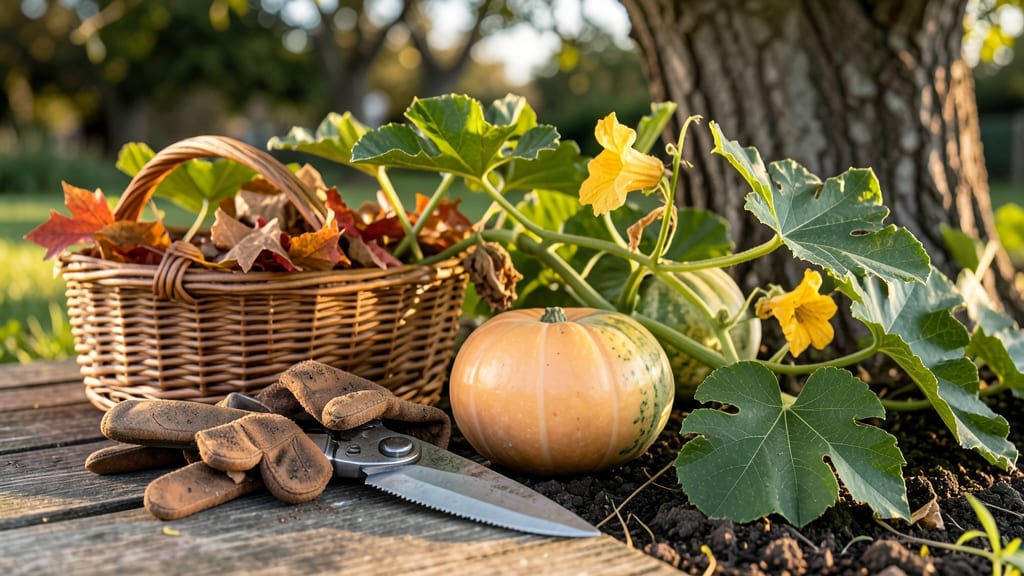
Harvesting buttercup squash at the right time means the difference between a sweet, tender 🎃 and a tough, flavorless one — and the window is narrower than you might think.
Picture this: you’ve spent all summer nurturing your buttercup squash, and now the vines are heavy with fruit. But how do you know when to pull it? Waiting too long turns the flesh woody, while picking too early leaves you with bland, underdeveloped squash.
The key is catching those 3 visual cues that scream "harvest now!" — and I’ll walk you through each one so you never miss the perfect moment.
Beyond timing, what happens after you pick matters just as much. A properly stored buttercup squash can last for months, but get it wrong, and you’ll be tossing out good squash before winter even arrives.
I’ll share the best storage tricks to keep your harvest fresh, whether you’re planning to roast it in two weeks or stash it away until next year.
Ready to go from guessing to knowing? You’ll leave here with a foolproof method for spotting ripe buttercup squash, avoiding common mistakes that ruin flavor, and storing your harvest like a pro. Let’s get started.
3 Visual cues to harvest buttercup squash at peak ripeness
Buttercup squash thrives when harvested at the perfect moment—too early and the flesh stays bland, too late and the skin becomes tough. I’ve learned the hard way that timing is everything!
The key lies in three visual cues that signal peak ripeness: skin color, stem condition, and fruit size. Master these, and you’ll enjoy squash with that ideal sweet, nutty flavor every time.
First, pay attention to the skin color. When ripe, buttercup squash develops a deep golden-yellow hue that’s vibrant and even. If the skin still has green patches or looks dull, it’s not ready yet.
I always compare it to a ripe banana—bright and rich in color. This change happens gradually, so check your squash every few days during late summer.
Next, examine the stem. A ripe buttercup squash will have a dry, shriveled stem that’s easy to spot. If you gently tug and the stem separates cleanly from the vine, that’s your cue to harvest.
I’ve found that waiting until the stem dries completely prevents rot later. When the stem stays green and plump, the squash needs more time on the vine.
Finally, consider the size and weight. At peak ripeness, buttercup squash typically measures 6-8 inches in diameter and feels surprisingly heavy for its size. When I pick one up, it should feel dense—like it’s packed with flavor.
If it’s still small or lightweight, it’s not ready. Overripe squash becomes lopsided or develops soft spots, so timing is critical.
Skin Color: Deep Golden-Yellow
Ripe squash has a vibrant, even yellow with no green patches. Use your thumb to press gently—the skin should feel hard and papery.
Stem Condition: Dry and Shriveled
The stem should pull away easily and look brown and dried. If it’s still green or moist, wait 2-3 more days.
Size and Weight: 6-8 Inches, Heavy
A ripe squash should feel dense for its size. If it’s smaller than a softball or feels hollow when tapped, it needs more time.
What happens if you miss the window? Waiting too long turns buttercup squash into a wooden, flavorless mess. The skin thickens, the flesh dries out, and the sweetness fades.
I once left a squash on the vine past October, and when I finally cut it open, the seeds were huge and the flesh was like chewing on rubber. Don’t let that happen to you—harvest when the cues align!
Pro tip: Use a sharp pruning shear to cut the stem, leaving about 1 inch of stem attached to the squash. This prevents rot and helps it store longer. I always clean my tools with rubbing alcohol between cuts to avoid spreading disease.
Store your freshly harvested squash in a cool, dry place (around 50-55°F) for up to 3 months.
If you’re unsure whether your squash is ready, try the thumb test. Press your thumb into the skin—if it leaves no mark, it’s ripe. If it dents easily, it’s not ready yet.
This simple trick saves me from guessing and ensures I always harvest at peak flavor. The difference in taste between a perfectly timed squash and one that’s overripe is night and day.
Remember, buttercup squash is a warm-weather crop, so plan your harvest for late summer to early fall (August-October in most zones). Keep an eye on your plants, and you’ll never miss the perfect moment to pick. Happy harvesting!
How long buttercup squash stays fresh: storage tips by ripeness stage
Once you’ve harvested your buttercup squash at peak ripeness, proper storage becomes just as critical as timing. The shelf life varies dramatically based on ripeness stage—unripe squash spoils in days, while perfectly ripe ones can last 3-6 months when stored correctly.
I’ve learned that temperature and humidity control are the secrets to extending freshness, and each ripeness stage has its own ideal conditions.
For unripe buttercup squash, your options are limited. These squash lack the hard rind of fully mature ones, making them prone to bruising and spoilage. Store them in the fridge crisper drawer for no more than 1-2 weeks.
Wrap them loosely in a paper towel to absorb excess moisture, and check daily for soft spots. If you’re unsure whether your squash is ripe, store it this way while you monitor its skin color and stem.
The summary table below breaks down storage life by ripeness stage, including ideal conditions for maximum freshness:
For perfectly ripe buttercup squash, aim for a cool, dry environment like a basement or pantry. Keep them off the ground on a wooden rack or wire shelf to improve airflow and prevent rot.
I’ve had success storing mine in cardboard boxes with ventilation holes, which protect them from bruising while allowing moisture to escape. Avoid plastic bags—they trap humidity and accelerate spoilage.
If your squash shows signs of overripeness (soft spots, wrinkled skin, or a fermented smell), move it to the fridge immediately. Overripe squash won’t last as long as ripe ones, but you can still salvage them by peeling and cooking within 3 weeks.
For extra protection, place them in a paper bag with a few apple slices—the ethylene gas from the apples can actually help slow down further ripening.
One mistake I made early on was storing buttercup squash in the fridge too soon. The cold temperatures cause the skin to harden prematurely, which ruins the texture and flavor. Only refrigerate if you plan to use the squash within 2 weeks.
For long-term storage, prioritize a consistent 50-55°F temperature and low humidity—this mimics the ideal conditions for winter squash storage.