
How To
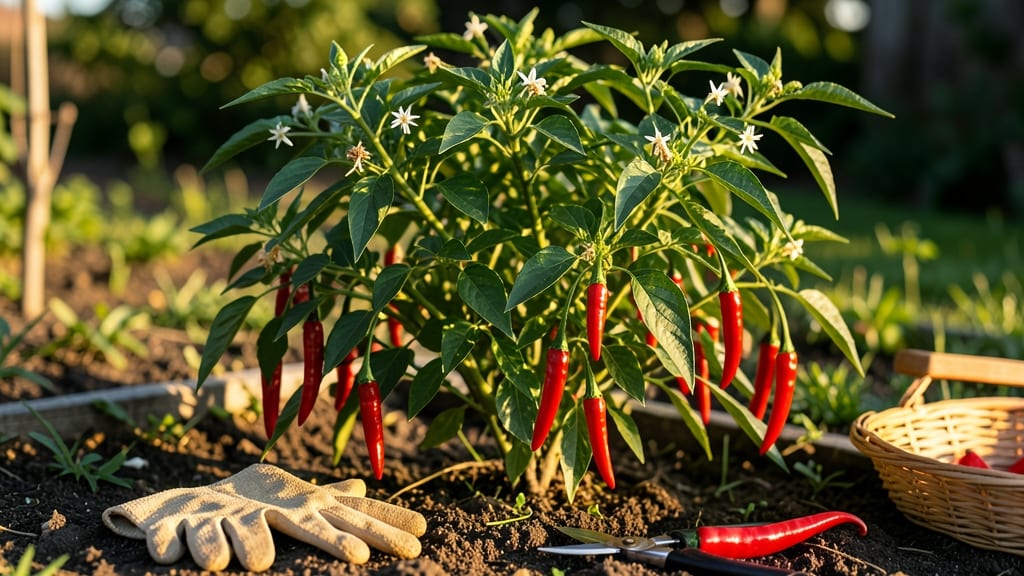
Harvesting cayenne peppers at the right time means the difference between a mild disappointment and a fiery, flavor-packed bounty 🌶️ — and the clock starts ticking the moment those first pods appear.
Picture this: you’ve nurtured your cayenne plants all season, only to pick a pepper that’s either too green and bland or so overripe it’s mushy and weak.
Knowing when to harvest cayenne peppers transforms your garden from a gamble to a spice-packed success—because timing determines everything from heat levels to flavor intensity.
Most gardeners wait for the classic deep red color, but cayenne peppers actually mature through three distinct stages—green, orange, and red—each with its own heat profile and best use.
Whether you’re drying peppers for winter storage or snapping them fresh into salsas, understanding these stages is the key to maximizing your harvest.
In this guide, I’ll break down the three color-coded stages, teach you how to test ripeness beyond just color, and share pro tips to avoid common mistakes that ruin flavor and heat. Ready to turn your cayenne patch into a spice powerhouse?

3 Color-coded stages of cayenne pepper ripeness (and when to harvest each)
Harvesting cayenne peppers at the right stage unlocks their full flavor potential and heat intensity. Unlike many peppers, cayennes change dramatically through three distinct color stages, each offering unique qualities.
Understanding these stages helps you decide whether to harvest for fresh eating, drying, or long-term storage. The color isn't just about aesthetics—it directly impacts heat levels and aroma, so timing matters.
Green cayennes pack milder heat and a slightly sweet, grassy flavor, while red varieties deliver maximum spiciness and complex depth. The orange stage is often overlooked but offers a balanced transition.
Each stage has an ideal harvest window, and missing it can mean sacrificing flavor or ending up with peppers that are too soft or shriveled. Let's break down what to watch for at each phase.
| Stage | Color | Heat Level | Flavor Profile | Best For | Harvest Time |
|---|---|---|---|---|---|
| Green | 🟢 | 30,000–50,000 SHU | Mild, grassy, slightly sweet | Pickling, fresh salsas, stir-fries | 60–75 days after transplanting |
| Orange | 🟠 | 50,000–70,000 SHU | Balanced, fruity, medium heat | Drying, sauces, roasting | 75–85 days after transplanting |
| Red | 🔴 | 50,000–100,000+ SHU | Bold, smoky, intense heat | Powders, long-term storage, hot sauces | 85–90+ days after transplanting |
The green stage is where cayennes start their journey, typically appearing 60–75 days after transplanting. These peppers are firm and glossy, with a mild heat level ranging from 30,000–50,000 SHU.
If you harvest at this stage, you'll get a lighter, slightly sweet flavor perfect for pickling or fresh salsas. Many gardeners skip this stage entirely, but it’s ideal if you need peppers early in the season or want to extend your harvest period.
As cayennes mature, they transition to the orange stage, usually between 75–85 days. This is where the heat intensifies to 50,000–70,000 SHU, and the flavor becomes more complex and fruity. The pods will feel firmer and slightly thicker, with a satiny sheen.
This stage is fantastic for drying or making sauces, as the balance of sweetness and heat is well-developed. Many chefs prefer this stage for roasted dishes because it adds depth without overwhelming spice.
Finally, the red stage is the crowning glory of cayenne ripeness, appearing 85–90+ days after transplanting. Here, the heat peaks at 50,000–100,000+ SHU, and the flavor transforms into a bold, smoky, and intense profile. The pods will be deep red, glossy, and slightly wrinkled at the edges.
This is the best stage for drying into powders, long-term storage, or making hot sauces. If you wait too long, the peppers may become overripe and leathery, losing their vibrant color and crisp texture.
Regional climate zones can shift these timelines slightly. In warmer zones (8–10), cayennes may ripen faster, while cooler zones (6–7) might see delayed maturation. Always monitor your plants for color consistency and pod firmness—these are your best indicators.
If you're in a shorter growing season, consider harvesting at the orange stage to ensure you get a yield before frost.
Pro tip: Use a harvest journal to track the days from transplanting to ripeness in your specific climate. Note the heat levels of each stage by tasting a small sample (always wear gloves!).
This helps you predict future harvests and adjust your planting schedule. For example, if your cayennes ripen 10 days earlier than
How to test cayenne pepper ripeness before harvesting (beyond just color)
Harvesting cayenne peppers at the perfect moment ensures maximum heat intensity and flavor complexity. While color changes from green to red are a key indicator, relying solely on appearance can lead to missed opportunities.
I’ve learned that combining visual cues with tactile and even chemical tests guarantees the best results for my homegrown spice collection.
Beyond the obvious color transformation, cayenne ripeness involves subtle physical and chemical changes. For instance, the skin firmness shifts from soft to leathery, and the stem separation becomes easier.
Even the heat level evolves—green peppers pack milder heat, while fully ripe red ones deliver the signature fiery kick. Let’s dive into the precise methods I use to test ripeness.
Step-by-Step Ripeness Test for Cayenne Peppers
- 1. Finger Pressure Test
Gently squeeze the pepper—ripe pods should feel firm and slightly springy. If it yields under pressure, it’s not ready. Overripe peppers may feel mushy. - 2. Stem Separation Check
Grasp the pepper near the stem and twist gently. A clean break at the stem indicates peak ripeness. If the stem resists, wait a few days. - 3. Heat Level Assessment
For precise heat measurement, use pH strips (lower pH = higher capsaicin). Alternatively, taste a small section—green peppers taste grassy, while red ones deliver bold, spicy heat. - 4. Visual Gloss Check
Ripe cayennes develop a glossy sheen. Dull or wrinkled skin signals overripeness, which dulls flavor and heat.
I’ve found that the finger pressure test is my go-to method because it’s quick and doesn’t require tools. For example, if a 3-inch cayenne feels firm but still has green patches, I’ll harvest it for fresh use—green peppers are perfect for stuffing or pickling.
Meanwhile, fully red peppers with glossy skins are ideal for drying or making hot sauce.
Another pro tip: Harvest cayenne peppers in the morning when temperatures are cooler. This preserves their heat potency and prevents premature wilting. I always use sharp pruning shears to avoid damaging the plant, and I leave a small stem attached to extend shelf life.
For those growing cayennes in cooler climates (USDA zones 5-7), ripeness timing may shift. In my zone 6 garden, I start testing peppers in early September, as cooler nights slow maturation. If frost threatens before peppers ripen, I harvest green pods and ripen them indoors on a sunny windowsill.
Remember, the earlier you harvest, the milder the heat. But waiting too long risks losing flavor and heat intensity. By combining these tests, you’ll consistently harvest cayennes at their peak—whether you’re drying them for winter spice blends or using them fresh in your favorite dishes. Happy harvesting!