
How To
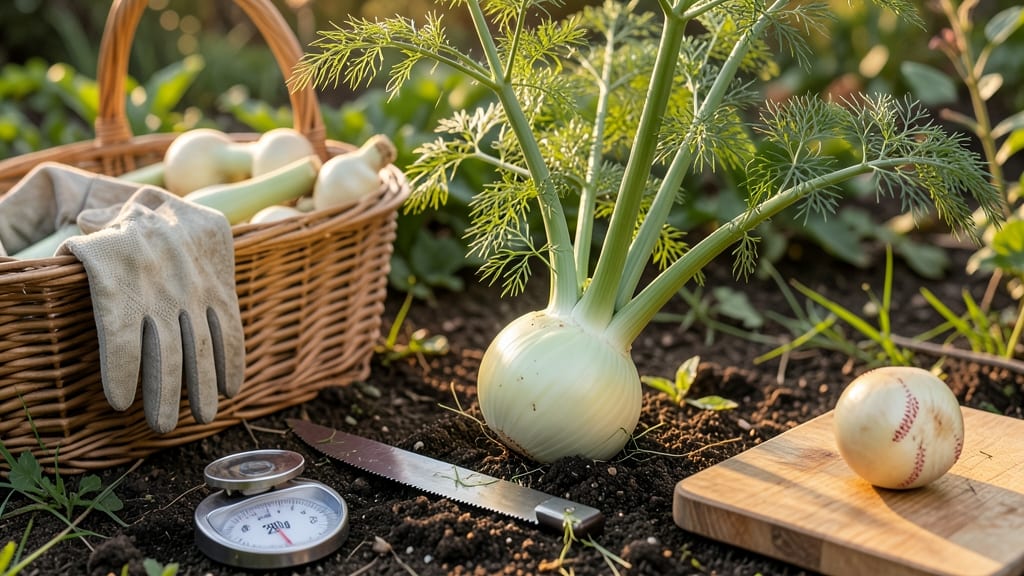
Harvest fennel bulb when it reaches 3-4 inches in diameter and the leaves start yellowing—this is the perfect window for the sweetest, most tender flavor 🌿.
Harvesting fennel at the wrong time can turn your culinary masterpiece into a bitter disappointment—or worse, a woody mess. But with these expert timing cues, you’ll unlock the sweetest, most tender fennel bulbs your garden has ever produced.
Why does timing matter so much? Fennel bulbs left too long in the ground develop a tough, fibrous texture and a sharp bitterness that ruins even the best recipes. On the flip side, harvesting too early means a small, underdeveloped bulb that lacks the rich, anise-like flavor you crave.
In this guide, I’ll walk you through three foolproof tests to nail the harvest window, plus the best months for peak flavor in your climate. You’ll never second-guess when to pull that fennel again.

3 Key visual & texture tests to determine fennel bulb harvest readiness
Fennel bulbs are ready for harvest when they reach a perfect balance of size, texture, and flavor—typically around 120 days after planting. But timing isn’t just about days; it’s about visual and tactile cues that tell you the bulb is primed for picking.
I’ve learned the hard way that waiting too long turns those sweet bulbs woody and bitter, while harvesting too early leaves you with underdeveloped, flavorless specimens.
Don’t worry if you’re new to fennel—these three simple tests will give you the confidence to harvest at the ideal moment. The key is checking the bulb firmness, leaf color, and root diameter together.
Each clue builds on the other, so you’ll never guess again. Let’s dive into the exact signals your fennel plants are sending you.
- 1 Bulb Size: Aim for 3-4 inches in diameter—about the size of a small baseball. Smaller bulbs (under 2 inches) are underdeveloped, while larger ones (over 5 inches) become tough and bitter.
- 2 Leaf Color: Outer leaves should start turning yellow or brown and dying back. Healthy green leaves mean the bulb isn’t ready, while completely yellowed leaves signal it’s past peak flavor.
- 3 Texture Test: Gently squeeze the bulb—it should feel firm and compact, like a ripe avocado. If it’s soft or spongy, it’s not ready; if it’s hard and woody, it’s overripe.
The bulb size is your first clue, but it’s not enough on its own. A 3-inch bulb with vibrant green leaves might still be too young, while a 4-inch bulb with yellowing leaves is perfect. That’s why I always check all three signs together—it’s like a fennel maturity trifecta.
For example, last summer, I nearly missed my harvest because I focused only on size, but the leaves were still green. A quick texture test saved the day!
Pay special attention to the leaf color shift, which is often the most reliable indicator. Fennel leaves naturally yellow as the bulb matures, signaling that the plant is redirecting energy to the bulb.
If you see more than 30% of the outer leaves turning yellow, it’s time to harvest within the next 2-3 days. Pro tip: Use a pair of gardening gloves to gently pull back the outer leaves—this gives you a clear view of the bulb’s progress without damaging the plant.
Don’t overlook the root diameter, which can be a game-changer in tight spaces. The bulb’s base should be about 2-3 inches wide when viewed from below. If the roots are spreading aggressively but the bulb is still small, it might be competing with nearby plants for nutrients.
In this case, harvest what you have and let the remaining plants mature—quality always beats quantity with fennel.
One common mistake I see is waiting until the bulb is too large because gardeners assume bigger means better. But fennel bulbs left in the ground for too long develop a tough, fibrous center that’s nearly inedible.
The flavor also shifts from sweet and anise-like to bitter and medicinal. To avoid this, I set a reminder to check my fennel plants every 5-7 days once they reach 2 inches in diameter.
If you’re growing fennel in containers, timing becomes even more critical because space is limited. Container-grown fennel often matures faster due to restricted root growth, so I harvest mine when the bulb reaches 2.5-3 inches—just a little smaller than in-ground plants.
This ensures I get a good yield without overcrowding the pot. Always leave at least 6 inches of space between plants to avoid competition.
Finally, trust your taste buds as the ultimate judge. If you’re unsure, harvest a small bulb and taste it raw or lightly cooked. The perfect fennel should be crisp, sweet, and aromatic with a mild licorice note.
If it’s bland or bitter, wait a few more days and check again. This hands-on approach ensures you never end up with a harvest that’s past its prime.
With these three tests—size, leaf color, and texture—you’ll harvest fennel bulbs at their peak every time. And once you master the timing, you’ll wonder how you ever struggled with this herb before. Happy harvesting! 🌱
Fennel bulb harvest timing by season: month-by-month guide for peak flavor
Fennel thrives in cool seasons, making spring and fall plantings ideal for maximizing bulb sweetness. In USDA Zone 6a (like my garden), spring-planted fennel typically reaches harvest by late July to early August, while fall plantings mature between September and October.
These windows align with the plant’s 90-150 day growth cycle, ensuring tender, flavorful bulbs.
Your local climate plays a huge role—cooler regions (like Zones 3-5) may need to harvest 2-4 weeks earlier than listed below, while warmer zones (like Zones 7-10) can extend harvests by 1-2 weeks later.
Always monitor leaf yellowing and bulb firmness as your primary cues, regardless of the calendar.
Pro Tip: For continuous harvests, succession plant fennel every 2-3 weeks during spring and again in early fall. This staggered approach ensures you always have fresh fennel bulbs ready when they reach 3-4 inches in diameter—the perfect size for peak flavor.
If you’re in a warmer climate (like Zone 8+), fennel can sometimes bolt prematurely in spring. To prevent this, use shade cloth during peak heat and prioritize fall plantings, which thrive in cooler temperatures.
I’ve found that late August plantings in these zones often produce sweeter bulbs by October.
For northern gardeners (like Zones 3-5), focus on spring plantings and harvest by early August to avoid the harsh summer heat.
If you miss this window, try container growing—fennel does well in pots and can be moved to a sheltered spot during cold snaps to extend the harvest season.
After harvesting, store fennel bulbs in the fridge for 1-2 weeks or freeze them for longer storage. But remember: the key to great fennel lies in timing. When you pull that bulb at the right moment—firm, crisp, and just the right size—you’ll taste the difference in every bite 🌱.