
How To
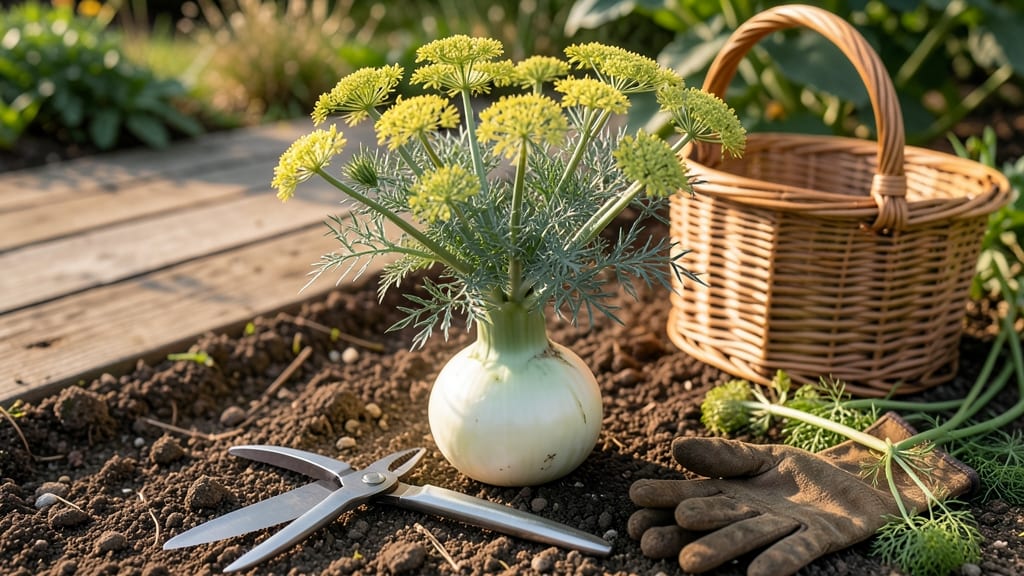
Harvesting fennel at the right time means catching its bulbs when they’re crisp, sweet, and packed with flavor—not before they’re ready or after they’ve bolted.
Picture this: you’ve nurtured your 🌿 fennel all season, and now the moment of truth arrives. One wrong move, and you’ll end up with woody stems or bitter leaves instead of that perfect, licorice-kissed bulb. The good news? There’s a simple way to tell when it’s time—without guessing.
In USDA Zone 6, where spring planting meets summer heat, fennel typically reaches harvest readiness between July and September. But timing isn’t just about the calendar—it’s about the bulb’s size, leaf color, and even how it feels when you squeeze it.
Miss these cues, and you’ll either have to wait weeks longer or settle for less-than-ideal flavor.
Below, I’ll walk you through three tactile tests to nail the harvest window, plus how to adjust for your climate and store your bounty so it stays fresh longer. No more second-guessing—just perfect fennel, every time.

3 Tactile tests to determine fennel harvest readiness
Harvesting fennel at the right moment transforms your garden into a flavor factory—but one wrong squeeze can ruin everything. The key lies in three simple tactile tests that reveal whether your fennel bulbs are ready for picking.
These hands-on checks eliminate guesswork, ensuring you harvest at peak crispness and sweetness rather than woody bitterness.
Fennel bulbs mature gradually, and their readiness isn’t just about size—it’s about texture, color, and even how they resist pressure.
In my Zone 6 garden, I’ve learned that ignoring these cues can mean waiting weeks longer for harvest or ending up with bulbs that taste more like dry cardboard than licorice. Let’s dive into the three foolproof tests I use every season.
⚠️ Pro Tip: Always harvest fennel on a dry morning after the dew has evaporated. Wet bulbs bruise easily and lose their crisp texture faster.
- Bulb Firmness Test: Press the bulb gently—it should feel solid like a tennis ball, not soft or spongy.
- Leaf Flexibility: Bend the lower fronds—they should snap cleanly (not bend like grass) when mature.
- Root Resistance: Gently tug the base—roots should pull slightly but not come out easily.
The bulb firmness test is my go-to method because it’s the most reliable indicator of maturity. A fennel bulb at peak harvest should feel dense and resilient when pressed between your thumb and forefinger—almost like a firm apple.
If it gives slightly under pressure, it’s not ready yet. I’ve made the mistake of harvesting too early, only to find the bulbs turning woody within days of storage.
For leaf flexibility, focus on the lower fronds closest to the bulb. These should be stiff and papery, not floppy or rubbery. In my experience, the moment the outer leaves start yellowing at the base is your signal to act—within 24 hours, the bulb will begin hardening.
I like to compare the leaf feel to dry parchment paper; that’s the ideal texture.
Don’t overlook the root resistance test, which reveals whether the bulb has fully anchored itself in the soil. Gently grasp the fennel’s base near the soil line and give a light tug. If the roots hold firm but the bulb lifts slightly, it’s ready.
This test is especially critical in loose or sandy soil, where bulbs can pull out too easily. I’ve lost entire harvests this way!
Common mistakes like harvesting based solely on bulb size can lead to disappointment. A fennel bulb might look large but still feel hollow or spongy inside—this happens when the plant matures unevenly due to uneven sunlight or nutrient imbalances.
Always combine all three tests for accuracy. In my garden, I’ve seen bulbs reach 4 inches wide but remain underripe because they weren’t getting enough phosphorus.
Once you’ve confirmed readiness, use a sharp knife to cut the bulb about 1 inch above the soil line. Leave the feather fronds attached—they’ll keep the bulb fresh longer and add flavor to soups.
Store harvested fennel in the crisper drawer of your fridge, wrapped in a damp paper towel to maintain moisture. With these tests, you’ll never miss the perfect harvest window again.
🌿 For gardeners in warmer climates (Zones 8-10), fennel may mature faster—watch for these signs 2-3 weeks earlier than Zone 6 schedules.
Fennel harvest timing: days to maturity and seasonal adjustments
Fennel’s harvest timing isn’t one-size-fits-all—it depends on whether you’re growing it for bulbs, feather fronds, or both. In my Zone 6 garden, bulb fennel typically reaches maturity between 90-120 days after planting, while frond varieties may be ready as early as 60 days.
But these numbers shift dramatically based on your climate, planting time, and even the specific fennel variety you’ve chosen.
For example, Florence fennel (the bulb type) thrives in cooler climates and needs consistent moisture to develop its signature crisp, white bulbs. Meanwhile, finocchio varieties tolerate heat better but may bolt faster if stressed.
Understanding these differences helps you plan your harvest window with precision—because missing it means either waiting weeks or dealing with bitter, woody bulbs.
| Variety | Days to Bulb Maturity | Days to Frond Harvest | Ideal Climate Zones | Seasonal Adjustments |
|---|---|---|---|---|
| Florence Fennel | 90-120 days | 60-80 days | Zones 3-8 | Plant in early spring; avoid summer heat |
| Finocchio | 100-130 days | 70-90 days | Zones 5-9 | Tolerates heat; harvest before bolting |
| Bronze Fennel | 110-140 days | 80-100 days | Zones 4-10 | Drought-tolerant; extend season with mulch |
Your planting time directly impacts harvest timing. In cooler climates (Zones 3-5), I plant fennel seeds in early spring (March-April) to ensure bulbs mature before summer heat sets in. The goal? Avoid the 100°F+ temperatures that trigger bolting—when fennel sends up flower stalks prematurely, ruining the bulb’s tenderness.
In contrast, gardeners in Zones 7-10 often plant in late summer (August-September) for a fall harvest, taking advantage of milder autumn conditions.
For those in transition zones (6-7), like my own garden, the key is successive planting. I start my first batch in early April for a July harvest, then follow with a second planting in late June for a September-October pickup.
This staggered approach ensures a steady supply of fresh fennel while accounting for unpredictable weather. Even a 10-day delay in germination can shift your harvest window by weeks, so always keep backup seeds on hand.
Don’t overlook frond harvesting, which can begin as early as 60 days for tender young leaves. I often snip the outer fronds first, leaving the center to mature for bulb harvest.
This method extends your fennel’s productivity by 30-40% and gives you fresh greens for salads or garnishes long before the bulbs are ready. Just be sure to never remove more than 1/3 of the fronds at once to avoid stressing the plant.
If you’re pushing the limits of your growing season, consider season extension techniques. In my garden, I use row covers to protect late-season fennel from early frosts, adding 2-3 extra weeks to the harvest window.
For fronds, a cold frame can keep them productive well into November in Zone 6. The trade-off? More hands-on care, but the reward is fresh fennel when stores run out.
🌱 Final Harvest Tip: Always mark your fennel’s planting date on a garden journal. Tracking these details helps you refine your timing each year—because once you master the 90-120 day window for bulbs (or 60-80 days for fronds), you’ll never miss a harvest again.